Australia, Victoria, the local two largest wooden pallet owners said that in the past two weeks, Australia’s large supermarket retailers, manufacturers and manufacturers are hoarding a lot and refuse to return this important transportation tool, wooden pallets. . This strange market phenomenon once aggravated and caused chaos in the local supply chain, leading to a shortage of goods in the market on Christmas Eve.
Australian supermarket giants Coles and Woolworths both expressed concern about the shortage of wooden pallets. As early as the first half of this year, Australia experienced a shortage of pallets due to repeated lockdowns of the epidemic. At that time, workers were unable to travel normally under the influence of the epidemic, and the production capacity of the wood products industry could not be maintained, resulting in insufficient wood to build new pallets. The existing pallets are placed in the warehouse and cannot be turned around normally.
The boss of Coles, one of the supermarket giants, said that wooden pallets are a key but often overlooked part of commodity suppliers to transport goods and store inventory for retailers. They are aimed at a series of shortages caused by small pallets. , He called this situation "pallet door."
The "pallet door" incident re-fermented
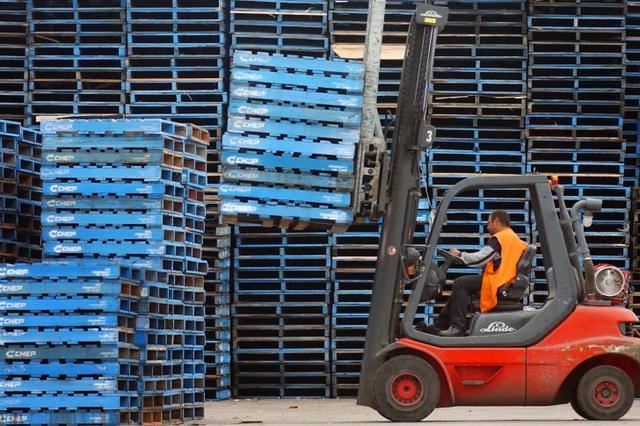
The two main operators of Australia's shared "pallet pool", CHEP Australia and Loscam, said that part of the shortage of pallets is due to their customers storing goods in warehouses to prevent repeated supply chain interruptions in the future, resulting in a large backlog of pallets.
However, only self-retaining wooden pallets can still maintain the normal operation of the supply chain, because customers of wooden pallets are still circulating pallets between each other to protect their supply lines. Although these pallets cannot be returned to the shared pallet pool to wait for distribution again, the impact on the overall supply chain is still acceptable. In the future, as long as the number of pallet purchases is increased, the contradiction of shortage can be quelled.
In fact, the two operators who operate the largest reusable pallet pools in fact do the same. In the past year, the total number of pallets purchased by CEHP has increased by 41% compared to normal years. As a result, the efficiency of the supply chain’s self-retaining pallets was still not able to withstand, and the number of pallets returned to its warehouse in September fell by nearly 50%. In the end, the two pallet suppliers had to continue to purchase wooden pallets and operate as Wichita.
The tipping point of supply chain shortages
However, the tipping point that really exacerbated the "pallet door" incident really broke out at this time. On November 25th, Australia's largest wooden pallet manufacturer Pentarch announced that it plans to completely suspend production of wooden pallets within a few days.
This news directly detonated the Australian grocery industry, calling on the industry not to panic purchase, because this will once again aggravate the collapse of the barely maintained wooden pallet supply chain. But even so, the local food and grocery association still advises consumers to purchase the goods they need this Christmas as soon as possible to prepare for emergencies.
Why would a manufacturer that can produce 70,000 wooden pallets a month give up the current hot market and suddenly stop producing wooden pallets?
As the popularity of vaccines increases, the impact of the epidemic on workers has slowly faded. The timber industry has already started logging normally, and wooden pallet manufacturers have begun to restore normal production order until environmentalists in Australia have won a court injunction.
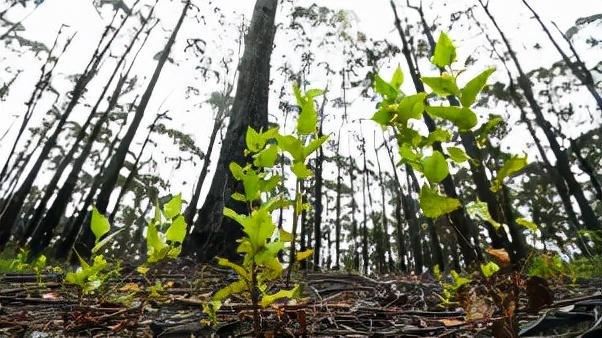
These prohibitions clearly stated that timber logging projects in the East Gipplands area would be stopped, and the timber advocates who led the litigation cited the views of Lindenmayer forestry experts. He believes that logging for virgin forests will cause the forest to lose water, and the felled trees will become denser after re-growth, thereby increasing the probability of forest fires. This statement was subsequently questioned by other scientists.
As soon as the ban came out, the Australian Construction, Forestry, Mining and Energy Union stated that ending the logging of local virgin forests will inevitably lead to a substantial reduction in local timber supply. Follow-up problems will not only arise in the production of wooden pallets, if there is no stability. In the future, Australia’s entire supply chain will fall into an irreconcilable crisis.
Wooden pallet manufacturer Pentarch said that the wood accepted by the manufacturer has been reduced by 35%, and the stored wood can be used for the next five days of production. When the logs are used up, the production of wooden pallets will be completely stopped.
The situation in Australia's supply chain is now very severe. The shortage of toilet paper last year is vivid. But if there is no stable supply of logs, the entire industry will begin to fall into a state of pallet contention. And local residents in Victoria, Australia will again face an imminent shortage of supermarket goods, and because the shortage of log supplies could have been avoided, hundreds of timber workers are facing a bleak Christmas.