

(1) Changes in production capacity
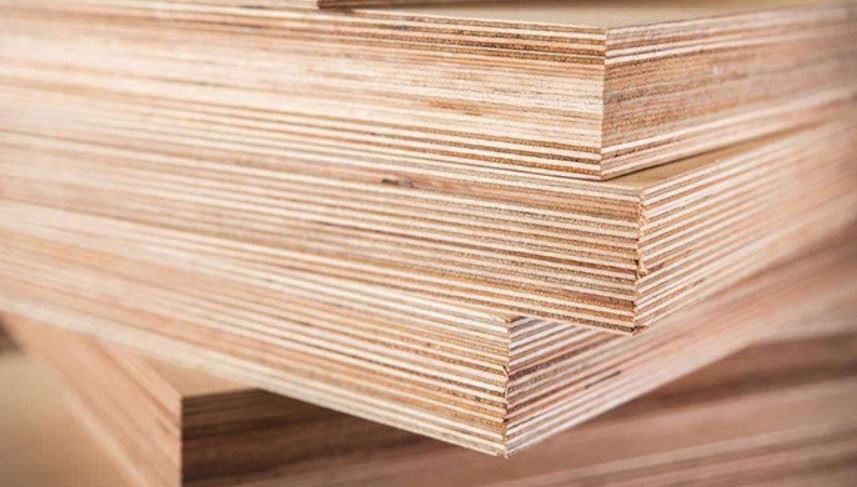
1. Plywood
By the end of 2021, there will be more than 12,550 plywood manufacturers across the country, distributed in 26 provinces and municipalities; the total production capacity is about 222 million cubic meters per year, a 13.3% reduction from the end of 2020; the average production capacity of enterprises is about 18,000 cubic meters per year. China's plywood industry shows a decline in the number of enterprises and total production capacity, and the average production capacity of enterprises has not increased. By the end of 2021, more than 18,200 manufacturers of plywood products have been canceled, revoked, or discontinued nationwide.
There are 5 provinces, autonomous regions, and 5 cities across the country with an annual production capacity of over 10 million cubic meters of plywood products. There are more than 3,700 plywood manufacturers in Shandong Province, with a total production capacity of about 56.5 million cubic meters per year, accounting for 25.5% of the country's total production capacity and continuing to rank first in the country. The number of plywood products enterprises in Linyi decreased slightly, but the production capacity further increased to 39.8 million cubic meters per year, accounting for about 70.4% of the province's total, maintaining the status of the largest production base of plywood products in Shandong Province and even the whole country.
There are more than 1,600 plywood manufacturers in Guangxi District, with a total production capacity of about 45 million cubic meters per year, accounting for 20.3% of the country's total production capacity, ranking second in the country. Guigang City is still the largest production base of plywood products in the southern country, with a total production capacity of nearly 18.5 million cubic meters per year, accounting for about 41.1% of the region's total.
There are more than 1,980 plywood manufacturers in Jiangsu Province, with a total production capacity of about 33.4 million cubic meters per year, accounting for 15.0% of the country's total production capacity, ranking third in the country. The production capacity of Xuzhou is about 14.8 million cubic meters per year, accounting for 44.3% of the province; the production capacity of Suqian is about 13 million cubic meters per year, accounting for 38.9% of the province.
There are more than 760 plywood manufacturers in Hebei Province, with a total production capacity of about 14.5 million cubic meters per year, accounting for 6.5% of the country's total production capacity, ranking fourth in the country. The production capacity of Langfang City is about 12.6 million cubic meters per year, accounting for about 86.9% of the province.
There are more than 700 plywood manufacturers in Anhui Province, with a total production capacity of 13 million cubic meters per year, accounting for 5.9% of the country's total production capacity, ranking fifth in the country.
The production capacity of aldehyde-free plywood products such as polyurethane adhesives, soy-based protein adhesives, starch-based adhesives, lignin adhesives, and thermoplastic resin films has further increased.
At the beginning of 2022, there are more than 2,410 plywood manufacturers under construction across the country, with a total production capacity of about 33.5 million cubic meters per year. Except for Beijing, Shanghai, Tianjin, Chongqing, Qinghai, and Tibet Autonomous Region, the remaining 25 provinces There are plywood production enterprises under construction in the district. It is estimated that the total production capacity of plywood products in the country will be close to 230 million cubic meters per year by the end of 2022.
By the end of 2021, there are 6 plywood manufacturers and enterprise groups nationwide with an annual production capacity of over 500,000 cubic meters.
2. Fiberboard
In 2021, 14 fiberboard production lines will be completed and put into operation nationwide, with an additional production capacity of 3.36 million cubic meters per year. By the end of 2021, 376 fiberboard production enterprises across the country have maintained 425 fiberboard production lines, which are distributed in 24 provinces and municipalities, with a total production capacity of 53.55 million cubic meters per year and a net increase in production capacity of 1.79 million cubic meters per year. The average single-line production capacity further increased to 126,000 cubic meters per year. China's fiberboard industry generally shows a decline in the number of enterprises and production lines, while the total production capacity and average single-line production capacity increase.
In 2021, about 33 fiberboard production lines will be closed, dismantled, or discontinued nationwide, and about 4.56 million cubic meters of backward production capacity will be eliminated. By the end of 2021, a total of 814 fiberboard production lines have been closed, dismantled, or discontinued across the country, eliminating 37.72 million cubic meters of outdated production capacity per year.
As of the end of 2021, there are 142 continuous flat-pressed fiberboard production lines nationwide, with a total production capacity of 30.37 million cubic meters per year, accounting for 56.7% of the country's total fiberboard production capacity, distributed in 18 provinces. Among them, Shandong Province has 27 continuous flat pressing production lines, with a total production capacity of 5.28 million cubic meters per year, accounting for 60.5% of the province's total fiberboard production capacity; Guangxi District has 20 continuous flat pressing production lines, with a production capacity of 4.69 million cubic meters/year, accounting for 71.0% of the total production capacity of fiberboard in the region; Hebei Province maintains 13 continuous flat pressing production lines with a total production capacity of 2.87 million cubic meters/year, accounting for 50.0% of the total production capacity of fiberboard in the province; Anhui Province and Hubei Province has 12 continuous flat pressing production lines, with a total production capacity of 2.53 million cubic meters per year and 2.43 million cubic meters per year, accounting for 67.1% and 64.6% of the province's total fiberboard production capacity.
The production capacity of Shandong Province further increased to 8.72 million cubic meters per year, continuing to rank first in the country; the production capacity of Guangxi District increased significantly to 6.61 million cubic meters per year, returning to the second place; although the production capacity of Hebei Province increased slightly, Ranking dropped to third; Jiangsu Province remained fourth in production capacity growth; Henan Province rose to fifth in production capacity growth; Anhui Province continued to maintain sixth; Sichuan Province ranked fourth in production capacity growth Seventh; Hubei Province continued to maintain the eighth ranking; Guangdong Province's production capacity further dropped to the ninth ranking; Yunnan Province continued to maintain the tenth ranking.
At the beginning of 2022, there are 8 fiberboard production lines under construction across the country, with a total production capacity of 1.93 million cubic meters per year, distributed in Shandong, Jiangsu, Anhui, and Jiangxi provinces in East China and Guangxi in South China, and others such as North China and Central China. , Southwest, Northwest, and Northeast have no fiberboard production lines under construction, including 7 continuous flat pressing production lines, with a total production capacity of 1.78 million cubic meters per year, accounting for 92.2% of the fiberboard production capacity under construction. Among the fiberboard production lines under construction, the largest single-line production capacity reaches 600,000 cubic meters per year.
The fiberboard production lines under construction will be put into operation one after another from 2022 to 2023. It is expected that the total national fiberboard production capacity will be close to 54 million cubic meters per year by the end of 2022.
As of the end of 2021, there are 14 fiberboard product manufacturers and enterprise groups in the country with an annual production capacity of over 500,000 cubic meters, of which 4 have an annual production capacity of over 1 million cubic meters.
3. Particleboard
In 2021, 13 particleboard production lines will be built and put into operation across the country, of which 2 single-line production lines will reach 600,000 cubic meters per year, and the new total production capacity will be 2.76 million cubic meters per year. By the end of 2021, 312 particleboard production enterprises across the country have maintained 331 particleboard production lines, distributed in 23 provinces and municipalities, with a total production capacity of 38.95 million cubic meters per year and a net increase in production capacity of 2.04 million cubic meters per year. The average single-line production capacity further increased to 118,000 cubic meters per year. China's particleboard industry generally shows a decline in the number of enterprises and production lines and an increase in total production capacity and average single-line production capacity.
In 2021, the country will complete and put into production particleboard production lines including 2 oriented strand board (including fine-surface oriented strand board) production lines, and increase the production capacity of oriented strand board by 1.2 million cubic meters per year. As of the end of 2021, there are 27 oriented strand board production lines nationwide, with a total production capacity of 5.54 million cubic meters per year. The production capacity will increase by 33.2% based by the end of 2020, distributed in Shandong, Hubei, Guangxi, Sichuan, Anhui, Jiangsu, Guizhou, and Yunnan. 8 provinces and regions.
By the end of 2021, a total of 1,095 particleboard production lines have been closed, dismantled, or discontinued nationwide, and about 29.73 million cubic meters of backward production capacity have been eliminated. At present, there are 79 continuous flat-pressed particleboard production lines nationwide, with a total production capacity of 20.1 million cubic meters per year, accounting for 51.6% of the country's total particleboard production capacity, distributed in 18 provinces. Among them, Shandong Province has 12 continuous flat pressing production lines, with a total production capacity of 3.27 million cubic meters per year, accounting for 36.5% of the province's total particleboard production capacity; Guangdong Province has 10 continuous flat pressing production lines, with a production capacity of 2.48 million cubic meters /year, accounting for 63.1% of the total production capacity of particleboard in the province; Guangxi District has 8 continuous flat pressing production lines with a production capacity of 2.28 million cubic meters / year, accounting for 63.5% of the total production capacity of particleboard in the whole region; Anhui Province has 7 Continuous flat pressing production lines, with a total production capacity of 1.95 million cubic meters per year, accounting for 87.2% of the province's total particleboard production capacity; Jiangsu, Hubei, Henan and Hebei provinces have 6 continuous flat pressing production lines, with production capacities respectively It reached 1.6 million cubic meters per year, 1.5 million cubic meters per year, 1.48 million cubic meters per year and 1.27 million cubic meters per year, accounting for 56.3%, 79.8%, 67.2% and 36.0% of the total particleboard production capacity of the provinces, respectively.
The production capacity of Shandong Province further increased to 8.96 million cubic meters per year, continuing to maintain the first place in the country; the production capacity of Guangdong Province increased slightly, and the ranking remained the second; the production capacity growth of Guangxi surpassed Hebei Province and rose to third; Although the production capacity of the province increased slightly, the ranking dropped to fourth; the production capacity of Jiangsu Province declined but the ranking remained fifth; Sichuan Province jumped to sixth in terms of production capacity growth; Anhui Province, Henan Province, and Hubei Province's production capacity The ranking dropped to seventh, eighth and ninth respectively; Fujian Province still ranked tenth.
At the beginning of 2022, there are 31 particleboard production lines under construction across the country, with a total production capacity of 8.04 million cubic meters per year. Except for the northeast region, the other six regions (East China, South China, Central China, Southwest China, North China, and Northwest China) ) have particleboard production lines under construction, including 23 continuous flat pressing production lines, with a total production capacity of 7.1 million cubic meters per year, accounting for 88.3% of the particleboard production capacity under construction. Among the particleboard production lines under construction, there are 11 oriented strand board (including fine surface-oriented strand board) production lines with a total production capacity of 2.82 million cubic meters per year. More than 8 million cubic meters per year.
The particleboard production lines under construction will be put into operation one after another from 2022 to 2023. It is expected that the total national particleboard production capacity will exceed 43 million cubic meters per year by the end of 2022.
As of the end of 2021, there are 8 particleboard product manufacturers and enterprise groups with an annual production capacity of over 500,000 cubic meters, of which 2 have an annual production capacity of over 1 million cubic meters.
4. Comprehensive review
First, the overall improvement of the plywood industry is not significant, and there are still many small and medium-sized enterprises, rapid changes in enterprises, and short life cycles. Some areas have begun to try to build automated production lines, and the operation effect needs to be further evaluated;
Second, the overall development of fiberboard is in line with expectations, and the elimination of backward production capacity and the industrial upgrading of new projects are balanced;
The third is to be alert to the overheating of particleboard investment. At the beginning of 2022, there are 31 particleboard production lines under construction across the country, with an annual output of 8.04 million cubic meters. The production capacity will be released in a concentrated manner. There may be excess capacity in some parts, and competition will intensify.
(2) Research and judgment of industry situation
Production and market conditions: Due to the impact of dual-energy control, epidemic, real estate, etc., production is expected to decline slightly in 2021. The domestic market basically balances supply and demand throughout the year, and there have been periodic short-term imbalances due to epidemics, low and peak consumption seasons, and imbalances in production and supply. . Uncertainty and irrational huge fluctuations in the price of the wood-based panel industry chain will inevitably damage the upstream and downstream industries. Coupled with the downturn in the real estate market, it may further catalyze and affect the stability of the industry chain and supply chain.
The international market is better than in previous years, but we need to be alert to the short-term market dividends of products affected by foreign epidemics and other influences.