

When it comes to improving the acoustics of a room, acoustic foam is one of the most commonly used materials. Whether you're setting up a recording studio, creating a media room, or designing a home office, the right acoustic treatment can make a significant difference in sound quality. One key factor that often comes into play is the shape of the acoustic foam. But does the shape of acoustic foam really matter when it comes to sound absorption and noise reduction? In this article, we'll explore the impact of different foam shapes and how they influence the effectiveness of soundproofing and acoustic treatment.

Understanding Acoustic Foam and Its Role
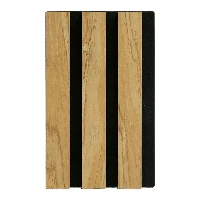
Acoustic foam is primarily designed to absorb sound and reduce echoes in a room. It comes in a variety of shapes and densities, each serving a different purpose. The most common forms include triangle acoustic panels, wave acoustic panels, and pyramid-shaped foam panels. Materials like polyester fiber acoustic panels, acoustic wood slat walls, and acoustic felt boards are also commonly used in combination with foam to achieve the best acoustic results.
While acoustic panels wood slats and other similar materials are more focused on diffusion and absorption, acoustic foam is mainly aimed at reducing reverberation and controlling the sound frequency within a space. The shape of the foam can significantly affect its sound-absorbing capabilities.
Why Does Foam Shape Matter?
The shape of acoustic foam influences how the foam interacts with sound waves. When sound waves enter a room, they travel and bounce off surfaces. If a room lacks proper sound absorption, these waves can create echoes and unwanted reflections that degrade the sound quality. The shape of the foam helps manage these reflections in different ways.
Diffusion and Sound Absorption
Certain shapes, like the acoustic panels triangle or pyramid-shaped foam, are designed to diffuse sound waves more effectively. These shapes help spread sound waves across the room, preventing harsh reflections and improving the overall sound treatment. The surface area of the foam is increased in these shapes, allowing it to absorb more sound and reduce reverberation.
In contrast, more flat forms like acoustic foam boards may only absorb sound at specific points, resulting in less uniform coverage. For areas with specific sound treatment needs, such as media room sound panels or gymnasium acoustic panels, these shapes can be essential for creating a balanced sound environment.

Controlling Low and High Frequencies
Different foam shapes are better suited for absorbing different frequencies. For example, high density acoustic panels or soundproof foam boards tend to absorb higher frequencies more effectively, while shapes like acoustic slat wood wall panels can address lower frequencies by diffusing and absorbing sound in a more controlled manner.
For spaces with a need to soundproof or absorb a wide range of frequencies, such as recording studios or soundproof telephone booths, a combination of different foam shapes and densities may be necessary. Sound insulation sponge or soundproof sandwich panels may also be combined with foam to achieve optimal results.
Design and Aesthetic Appeal
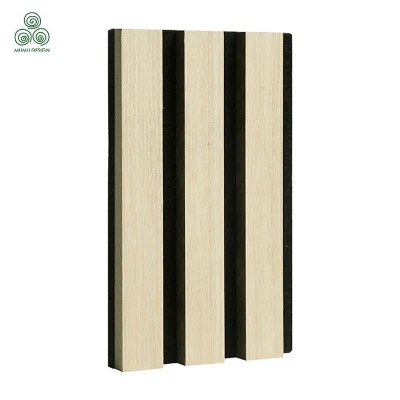
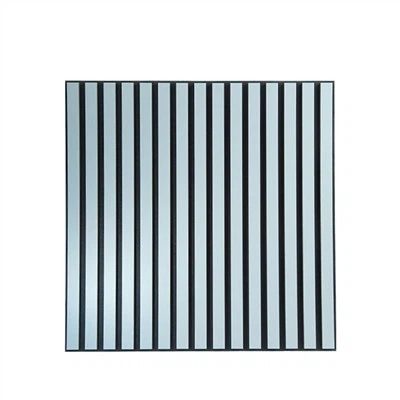
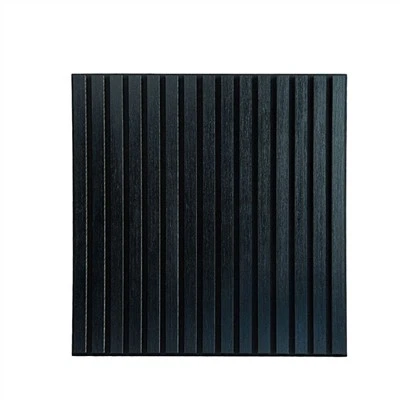
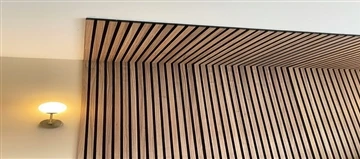
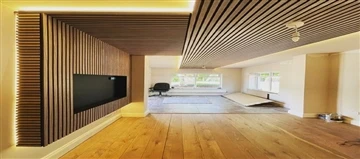
Apart from functionality, foam shape also affects the aesthetic appeal of a room. Decorative soundproof panels like wood panel wall cladding or acoustic wood slat walls are becoming increasingly popular due to their ability to combine sound treatment with attractive design. In some settings, the foam shape itself, such as fluted acoustic panels or wooden grooved acoustic panels, can add a unique texture to the space while offering sound control.
For instance, acoustic slat wood panels and acoustic wall wood elements blend natural wood aesthetics with the benefits of foam, providing both soundproofing and style. The choice of shape can have a big impact on the overall look of your acoustic treatment.
Common Acoustic Foam Shapes and Their Uses
Different foam shapes serve different purposes, so understanding their specific applications is important:
Triangle acoustic panels are popular for their ability to diffuse sound in multiple directions. They are ideal for areas like recording studios and media rooms where balanced sound diffusion is crucial. These panels can reduce sharp reflections and create a more uniform sound field.
Wave-shaped panels, such as fluted acoustic panels, are effective at reducing echoes and creating a smoother sound environment. These panels are excellent for controlling mid-to-high frequencies, making them ideal for spaces where voice clarity or music performance is important, like in home theaters or office acoustic solutions.
Pyramid-shaped foam is designed to absorb sound across a wide range of frequencies. The pointed edges help absorb sound waves more efficiently, making this shape suitable for soundproofing rooms with significant ambient noise, such as music studios or acoustic isolation panels in noisy environments.
For a combination of sound absorption and aesthetic appeal, acoustic wood slat walls provide excellent treatment for large spaces. These panels combine wood aesthetics with sound-dampening foam panels to create a visually pleasing yet acoustically effective solution.
Acoustic Panel Partition
Acoustic partition panels with foam cores are perfect for dividing spaces while also controlling sound. These can be used in office environments or commercial spaces where sound isolation is necessary without sacrificing the open layout.
Conclusion: Does the Shape of Acoustic Foam Matter?
In short, yes, the shape of acoustic foam does matter. It can have a significant impact on sound absorption, diffusion, and the overall acoustic treatment of a space. Whether you're installing acoustic foam board, acoustic panel felt, or acoustic slat wood wall panels, understanding the role of shape will help you choose the best solution for your needs.
For optimal results, it's important to consider the specific acoustics of your room, the type of sound you want to absorb or diffuse, and the aesthetic qualities that align with your design goals. High-density acoustic panels, soundproof foam boards, and polyester fiber acoustic panels can work together to address both functional and aesthetic needs. Whether you're creating a music studio, gymnasium, or a home office, the right combination of foam shapes can dramatically enhance your room's acoustics.
Contact Us
- E-mail:
- export@mumu-ing.com
- Address: Selling Centre:
- Room No.2602, Universal Commerce Center,Dongguan, China 523073
- Production Centre:
- No.100,Mingzhuroad,Sha Tian Town,Dongguan,China 523073