

3D wall panels are a popular choice for enhancing the aesthetic appeal of a space, but how durable are they? The longevity and sturdiness of these panels depend on the material, installation, and the environment in which they are used. Here's a breakdown of how long they last and what factors affect their durability.
1. Material Durability
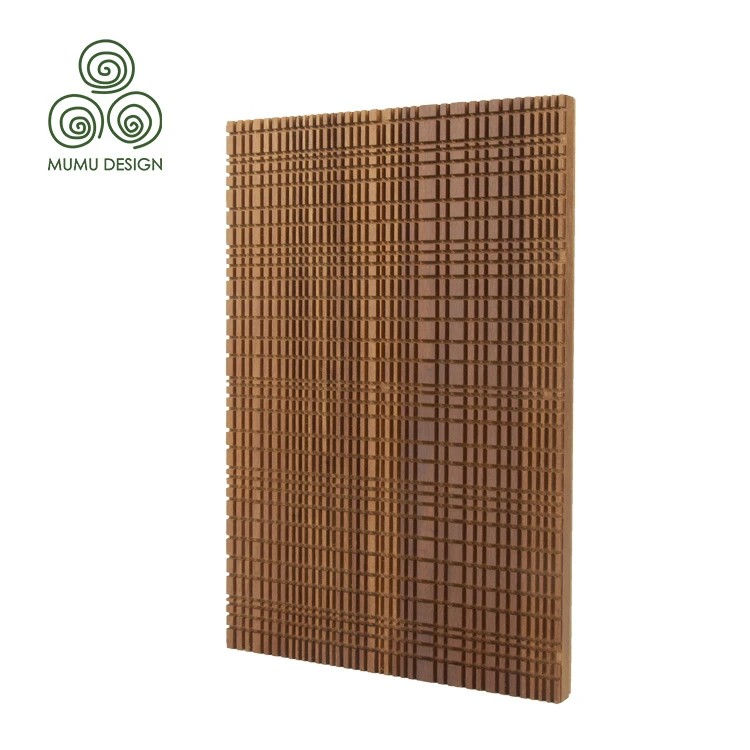
Wood Veneer Panels: Wood veneer panels are known for their high durability and timeless look. When maintained properly, they can last for many years. However, wood panels may require occasional sealing to protect them from moisture and UV damage.
MDF Panels: MDF panels are strong and reliable, though they're more susceptible to moisture than wood. They perform well in dry environments but should be kept away from high humidity areas to prevent warping.
Foam Panels: Foam panels are lightweight and easy to install, making them a great option for quick renovations. While they are durable in terms of moisture resistance, they can be more prone to scratches or dents compared to wood or metal options.
Plastic and PVC Panels: PVC panels are incredibly durable, resistant to moisture, and easy to maintain. They are great for areas like kitchens and bathrooms and can withstand heavy use without showing signs of wear.
Metal Panels: Metal 3D panels, often made from steel or aluminum, are extremely durable and resistant to dents and scratches. They are ideal for high-traffic areas and can last for many years, especially in commercial settings.
Cork Panels: Cork is a natural material that provides good durability, but it may not hold up as well in high-traffic areas. While it's a great eco-friendly option, cork panels can be more prone to damage from impacts.
2. Installation and Maintenance
Proper installation plays a significant role in ensuring the durability of your 3D panels. Use the recommended adhesives for the specific material you're working with, as incorrect adhesive choice can affect the longevity of the panels. Also, regular cleaning and maintenance will help preserve their appearance and function. Most panels can be cleaned with a damp cloth, but some materials, like wood veneer, may need occasional oiling or treatment to maintain their shine.
3. Environmental Considerations
Indoor Use: In controlled indoor environments like living rooms, offices, or hotel lobbies, 3D panels tend to last for many years. Proper installation and care ensure their continued durability.
High-Humidity Environments: Areas like bathrooms or kitchens pose challenges due to moisture. PVC and foam panels excel in these conditions, as they resist water and humidity well. Wood or MDF panels, on the other hand, may require additional maintenance to avoid damage.
High-Traffic Areas: For spaces with high foot traffic, such as hallways or retail stores, durable materials like metal or PVC are ideal. These panels are less likely to suffer from dents or scratches, ensuring that they stay looking new even in demanding environments.
4. Lifespan of 3D Wall Panels
With proper care, most 3D wall panels can last anywhere from 5 to 20 years. Materials like metal and PVC offer the longest lifespan, often exceeding 20 years in the right conditions. Wood veneer and MDF panels can last 10-15 years, while foam panels tend to have a shorter lifespan, especially in high-traffic or high-moisture environments.
Conclusion
The durability of 3D wall panels depends on factors such as the material, installation quality, and environmental conditions. Metal, PVC, and wood veneer panels are excellent choices for long-lasting results, while foam and cork panels may require more care. By selecting the right material for your space and maintaining the panels properly, you can ensure that your 3D wall panels remain functional and beautiful for years to come.