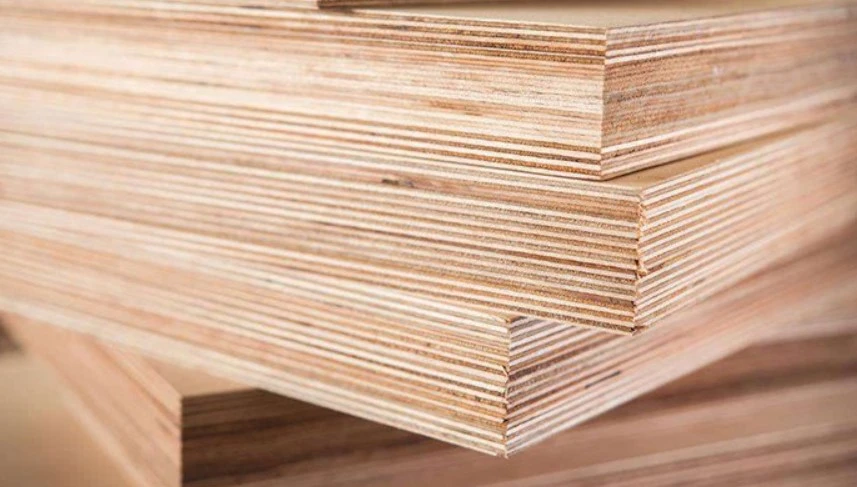
More recently, the United States has suspended normal trade relations with Russia, immediately raising tariffs on Russian birch plywood to 50 percent in many cases. Since the United States imported 567 million square meters of hardwood plywood from Russia last year, this large amount of plywood will be difficult to replace.
Republicans in Congress have proposed banning Russian timber imports and increasing domestic production sustainably, but unfortunately, it appears that unfounded concerns about harvesting may prevent this legislation from moving forward and filling Russia's supply gap.
According to Timber Resources, Russia supplies about 10 percent of the hardwood plywood used in the United States, the vast majority (97 percent) of which are birch plywood products. This figure is misleading because other leading hardwood plywood suppliers Vietnam and Indonesia ship large quantities of Russian birch themselves.
In late March, the House of Representatives passed legislation raising tariffs on Russia and Belarus by a vote of 424 to 8. That quickly moved to the Senate, which signed the resolution by a 100-0 vote in early April. The suspension makes it easier for President Biden to impose tariffs and sanctions on Russia.
To get back to normal, the White House said at the time, it needed to show that Russia and Belarus ended their invasion and occupation of Ukraine and did not pose a threat to NATO.