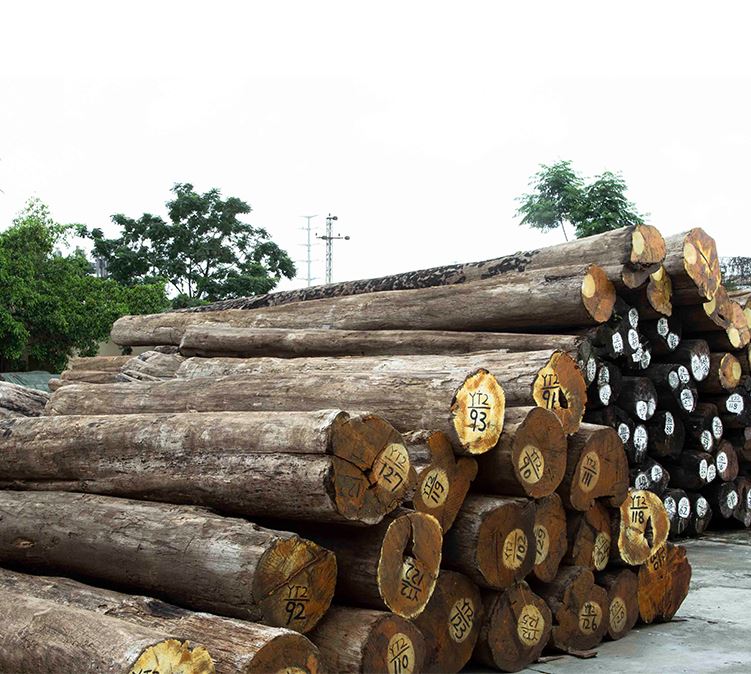
Europe's log and timber trade is set to change dramatically over the next few years as timber production falls in Central Europe and sanctions on Russia lead to a sharp drop in imports of forest products.
The Central European log market is at a turning point. Over the past four years, spruce bark beetle outbreaks in much of the region have caused widespread damage to forests, resulting in temporary increases in logging, timber production, and log exports. Insect pests in the Czech Republic and Germany have led to record harvests of wood in the past few years. As a result, annual log removals increased by 15% from 2017 to 2021, at unsustainable levels. The amount of wood damaged by bark beetles peaked in 2019, fell to 5% in 2020, and 24% in 2021. Damaged wood volumes are expected to decline at a rate of 10-20% per year, returning to near long-term averages by 2025.
The surge in timber supply was absorbed by domestic sawmills (~60%), and exports of sawn wood and pulp logs increased (~40%). Take advantage of the strong European and global timber markets in 2020-21 to help the Central European sawmill industry expand by providing additional timber supplies at competitive prices. In addition, the increased supply of sawdust and wood chips from sawmills contributed to the growth in the production of wood pellets and boards.
Log exporters and consumers will need to adjust to a reduced supply of softwood logs in the coming years as lumber harvesting peaks. Timber production in Central Europe will fall from current record levels and the region is likely to transition from being a net exporter of logs to being a net importer again. In addition, sanctions on Russia have affected imports of almost all forest products from Russia and Belarus into Europe, including nearly 14 million cubic meters of logs and 9 million cubic meters of softwood lumber in 2021.
Reduced timber supplies from Central Europe and the situation in Ukraine will affect European industrial production, trade flows, and forest product prices for many years to come. Sawmills will need to refocus on converting yields and small diameter sawing capacity, the fiber industry should consider alternative species and sources of wood fiber, and forest owners will benefit from more intensive forest management. In addition, the international market needs to adapt to the reduced supply of European softwood logs and lumber exports.