

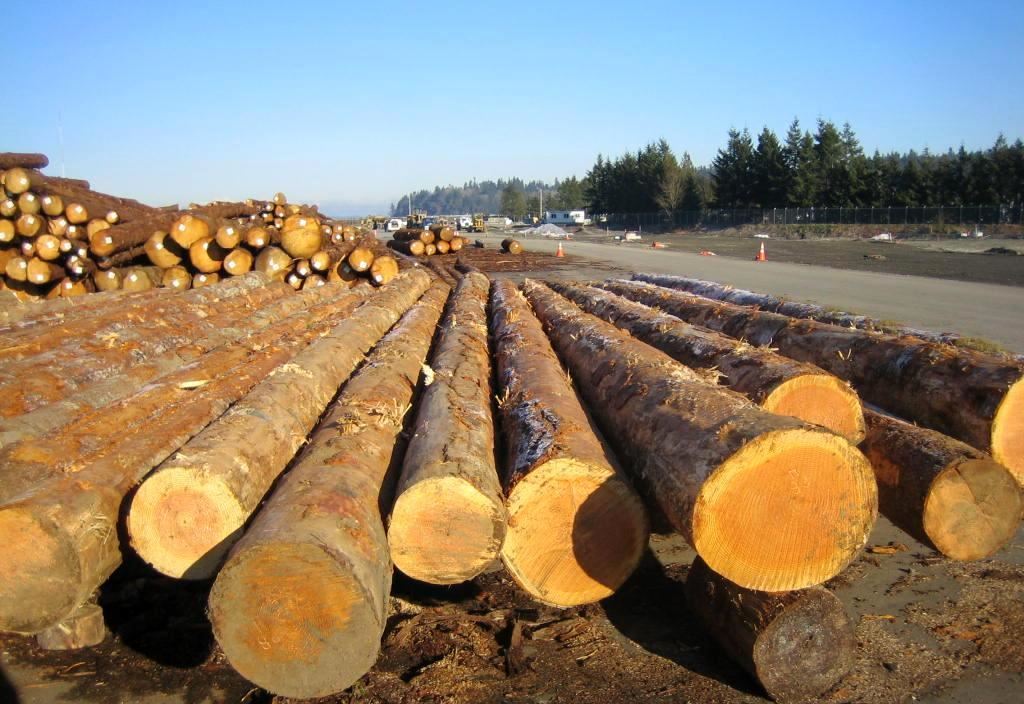
There are at least 4,000 species of plants in Africa. The forest area accounts for 21% of the total area of Africa. It is rich in mahogany, ebony, rosewood, coba, ebony, camphor, castanopsis, walnut, yellow lacquered wood, cork oak and other economic forest trees. The grasslands are vast, accounting for 27% of the total area of Africa, ranking first in all continents.
There are 54 countries in Africa. Divided into five regions: North Africa, East Africa, West Africa, Central Africa and South Africa:
Benin
covers an area of more than 112,000 square kilometers. It is located in south-central West Africa, with Nigeria to the east, Burkina Faso and Niger to the northwest and northeast, Togo to the west, and the Atlantic Ocean to the south. China has become Benin's largest importer and second largest exporter, and Benin has become China's second largest trading partner in West Africa after Nigeria.
One of the least developed countries announced by the United Nations. The economy is backward, the industrial foundation is weak, and agriculture and re-export trade are the two pillars of the national economy. Timber resources are poor.
South Africa
is located at the southernmost tip of the African continent, with Namibia, Botswana, Zimbabwe, Mozambique and Swaziland in the north, the Indian Ocean and the Atlantic Ocean in the east, west and south, and Lesotho is surrounded by South African territory.
South Africa is China's largest trading partner in Africa, and China is South Africa's largest trading partner country. China has surpassed the United States as South Africa's largest export market, and together with South Africa has become Africa's two major sources of investment.
South Africa is rich in natural resources and is one of the five largest mineral producing countries in the world. However, South Africa's Ministry of Timber Resources is rich and is a timber importer.
Djibouti
An area of 23,200 square kilometers. Located on the west bank of the Gulf of Aden in northeastern Africa. Somalia is adjacent to the south, and Ethiopia is bordered to the north, west and southwest.
Djibouti is one of the least developed countries in the world. Natural resources are poor and the industrial and agricultural foundations are weak. More than 95% of agricultural and industrial products rely on imports, and more than 80% of development funds rely on foreign aid.
Niger
The territory of Nigeria is 12.67 million square kilometers. Located in central and western Africa, it is a landlocked country on the southern edge of the Sahara Desert. It borders Algeria and Libya to the north, Nigeria and Benin to the south, Mali and Burkina Faso to the west, and Chad to the east.
Mainly in agriculture and animal husbandry, it is one of the least developed countries announced by the United Nations. The proven reserves of uranium are 210,000 tons, accounting for 11% of the world's total reserves, ranking fifth in the world. Phosphate reserves are 1.254 billion tons, ranking fourth in the world and have not yet been developed.
Zambia
covers an area of 750,000 square kilometers, most of which belong to plateau areas. A landlocked country located in south-central Africa. It is bordered by Tanzania to the northeast, Malawi to the east, Mozambique to the southeast, Zimbabwe, Botswana and Namibia to the south, Angola to the west, and Congo (Golden) and Tanzania to the north.
Zambia is rich in natural resources. Copper is the mainstay. Copper reserves amount to more than 900 million tons. Copper occupies an important position in the Zambian economy. 80% of the country’s foreign exchange income comes from copper exports. It is the fourth largest copper producing country in the world and is known as the "country of copper mines". The national forest coverage rate is 45%. The most famous is the Zambian blood sandalwood.
Nigeria
covers an area of over 920,000 square kilometers. Nepal is located in the southeastern part of West Africa, south of the Atlantic Ocean and the Gulf of Guinea. It borders Benin to the west, Niger to the north, Chad to the northeast across Lake Chad, and Cameroon to the east and southeast.
Nigeria is the tenth largest oil producer in the world and one of the member states of the Organization of Petroleum Exporting Countries (OPEC). Nigeria’s proven oil reserves are 33.6 billion barrels, with a daily crude oil output of about 2 million barrels, making it the largest oil producer in Africa. Nigeria has coal reserves of approximately 2.75 billion tons, making it the only coal-producing country in West Africa.
Algeria
is located in northwestern Africa, bordering the Mediterranean Sea to the north, Tunisia and Libya to the east, Niger, Mali and Mauritania to the south, and Morocco and Western Sahara to the west, covering an area of 2381.7 thousand square kilometers.
The economic scale of Algeria ranks second in Africa, second only to South Africa. The oil and natural gas industry is the backbone of the Afghan national economy. For many years, its output value has always accounted for 30% of its gross domestic product, and its exports have accounted for more than 97% of the country's total exports. A total of 3.67 million hectares of forests, of which 460,000 hectares of cork forests, the output of cork ranks among the top in the world.
Mauritania
The country covers an area of 1.3 million square kilometers, of which more than 60% are deserts and semi-deserts, with a tropical desert climate. Mao is located in the western part of the Sahara Desert in Africa, bordering Western Sahara, Algeria, Mali and Senegal, bordering the Atlantic Ocean to the west, and has a coastline of 667 kilometers.
Mauritania has a single economic structure and a weak foundation. Most of the population of Mauritania depends on agriculture and animal husbandry for their livelihoods. Iron mining and fisheries are the two pillars of Mauritania's national economy, and the oil and gas industry is an emerging industry. Foreign aid plays an important role in national development. The total forest area is 47,440 hectares. The transportation is underdeveloped. There is only one 717 kilometers long railway, which mainly undertakes the transportation of iron ore.
Egypt
has an area of 100.14 million square kilometers. It straddles the two continents of Asia and Africa, with Libya to the west, Sudan to the south, the Red Sea to the east and Palestine and Israel to the east, and the Mediterranean to the north. The Suez Canal is a major transportation hub for Europe, Asia, and Africa. It connects the Red Sea and the Mediterranean Sea, and connects the Atlantic and Indian Oceans. It has important strategic and economic significance.
Egypt is rich in natural resources, mainly including oil, natural gas, phosphate, iron, manganese, coal, gold, zinc, chromium, silver, molybdenum, copper and talc.
Gabon
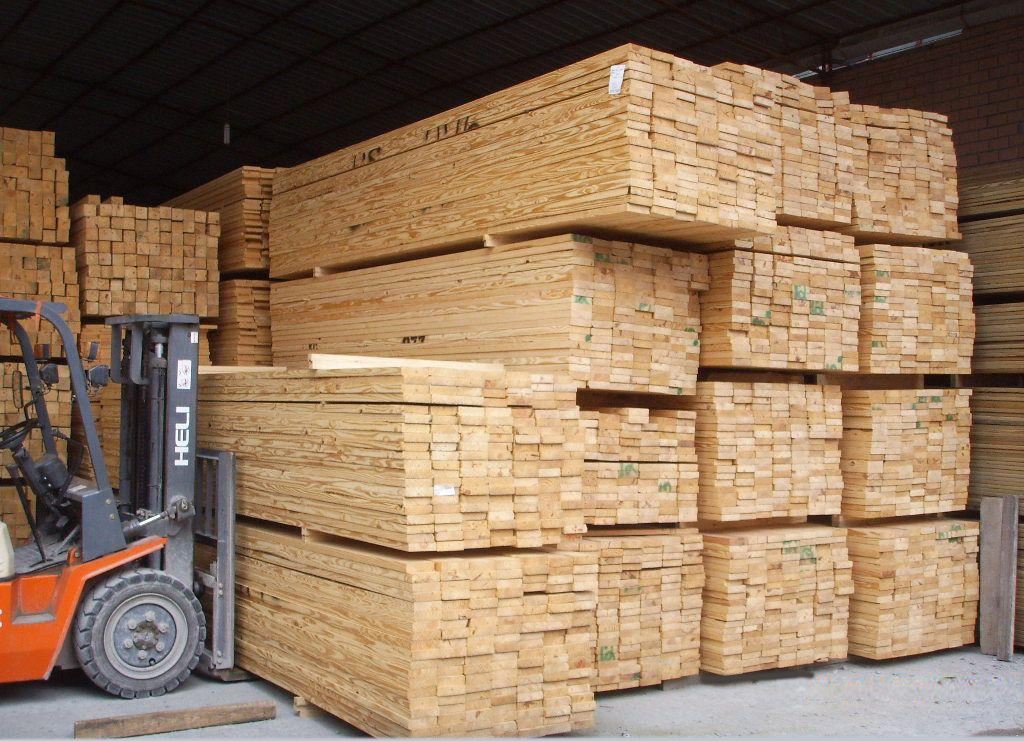
"An area of 267,700 square kilometers. Located in west-central Africa, across the equator, west of the Atlantic Ocean. It borders Congo (Brazzaville) to the east and south, and borders Cameroon and Equatorial Guinea to the north. Gabon has abundant forest resources. The forest area accounts for 85% of the country's land area. It is known as the "Green and Gold Country" in Africa.
Gabon is listed as the only "middle income" country in French-speaking Africa. After independence, the economy developed rapidly. Oil, manganese, uranium and wood are the four pillars of Gabon’s economy. Except for oil smelting and wood processing, Gabon’s manufacturing industry is weak, agriculture is developing slowly, and most of the country’s food is imported.
Guinea
has an area of approximately 246,000 square kilometers. Located in western Africa, it is bordered by Guinea-Bissau, Senegal and Mali to the north, Côte d’Ivoire to the east, Sierra Leone and Liberia to the south, and the Atlantic Ocean to the west, with a coastline of 352 kilometers.
Guinea is one of the least developed countries announced by the United Nations. The economy is dominated by agriculture and mining, and the industrial foundation is weak. Food cannot be self-sufficient. Rich in resources, it is called "geological miracle". Coastal fishery resources are also abundant. There are large tracts of virgin forest in the southeast, rich in precious woods such as mahogany and ebony.
Gambia
has an area of 10,380 square kilometers. Located in western Africa, on the west side of the Atlantic Ocean, the coastline is 48 kilometers long. The population is 1.5 million (2005) and the official language is English. 90% of residents believe in Islam.
The Gambia is an agricultural country with a weak industrial foundation and is listed by the United Nations as one of the least developed countries in the world. Poor resources. It has been proved that there are mixed minerals of titanium, zirconium and rutile (reserves of about 1.5 million tons) and kaolin (more than 500,000 tons).
Botswana
"An area of 581,730 square kilometers. A landlocked country in southern Africa. The average altitude is about 1,000 meters. It borders Zimbabwe to the east, Namibia to the west, Zambia to the north, and South Africa to the south.
Botswana takes diamond industry, cattle breeding and emerging manufacturing as its pillar industries. Rich in mineral resources. The main mineral deposits are diamonds, followed by copper nickel, coal, soda ash, platinum, gold, and manganese. Petroleum exploration is underway. Both diamond reserves and production rank among the top in the world.
Seneca
196,000 square kilometers. Located at the westernmost point of the bulge in western Africa. Mauritania is bordered by the Senegal River to the north, Mali to the east, Guinea and Guinea-Bissau to the south, and the Atlantic Ocean to the west.
Senegal is an agricultural country and one of the least developed countries announced by the United Nations. Fisheries, peanuts, phosphate exports and tourism are the four traditional foreign exchange earning industries in Cyprus. The mineral resources are poor, mainly including phosphate, iron, gold, copper, diamond, and titanium.
Ethiopia
is located on the East African Plateau in the southwest of the Red Sea. It is a landlocked country in northeastern Africa. It borders Djibouti and Somalia to the east, Sudan to the west, Kenya to the south and Eritrea to the north.
Ethiopia is one of the least developed countries in the world. Agriculture and animal husbandry are the pillars of the national economy and foreign exchange earning through exports, and the industrial foundation is weak. Rich in mineral and water resources. Due to soil erosion and blind logging, the forest is severely damaged. 200,000 hectares of forest are reduced each year due to land reclamation, and the forest coverage rate is 2.3%. Egypt is also one of the countries with the richest geothermal resources.
Ghana
"An area of 238.5 thousand square kilometers. Located in western Africa, on the north shore of the Gulf of Guinea, bordering Côte d’Ivoire to the west, Burkina Faso to the north, Togo to the east and the Atlantic Ocean to the south. Ghana has not only won the reputation of the "Hometown of Cocoa" because of its abundance of cocoa, it has also been praised as the "Gold Coast" because of its abundance of gold.
Ghana is rich in resources. Mineral resources such as gold, diamonds, bauxite, manganese and other reserves are among the top in the world, in addition to limestone, iron ore, andalusite, quartz sand and kaolin. Ghana's forest coverage rate accounts for 34% of the country's land area, and the main timber forests are concentrated in the southwest. The three traditional export products of gold, cocoa and timber are the pillars of Ghana's economy.
Angola
is located in southwestern Africa, bordering the Republic of Congo and Democratic Republic of the Congo to the north, Zambia to the east, Namibia to the south, and the Atlantic Ocean to the west. The coastline is 1,650 kilometers in length.
Angola is rich in oil, natural gas and mineral resources. The proven oil reserves are 12.5 billion barrels and the natural gas reserves amount to 7 trillion cubic meters. Angolan forest covers an area of 53 million hectares and produces precious woods such as ebony, African white sandalwood and red sandalwood.
Kenya
covers an area of more than 580,000 square kilometers. Located in eastern Africa, across the equator. It borders Somalia to the east, Ethiopia and Sudan to the north, Uganda to the west, Tanzania to the south, and the Indian Ocean to the southeast.
Kenya is one of the countries with a good economic foundation in Sub-Saharan Africa and the most industrially developed country in East Africa. Agriculture, services and industry are the three pillars of the national economy. Tea, coffee and flowers are the three major foreign exchange earning projects in agriculture. Kenya is the largest flower exporter in Africa. Flowers exported to EU countries account for about 30% of the EU market share each year. The forest area is 87,000 square kilometers, accounting for 15% of the country's land area. Forest reserves are 950 million tons.
Rwanda
has an area of 26,338 square kilometers. It is a landlocked country located on the south side of the equator in central and eastern Africa. It borders Congo (Kinshasa) to the west and northwest, Uganda to the north, Tanzania to the east, and Burundi to the south.
Poor natural resources. The mines that have been mined include tin, tungsten, niobium, tantalum, beryl, and gold. The forest area is about 620,000 hectares, accounting for 24% of the country's area.
Côte d'Ivoire
has an area of more than 320,000 square kilometers. Located in West Africa, bordering Liberia and Guinea to the west, Mali and Burkina Faso to the north, Ghana to the east, and the Gulf of Guinea to the south, the coastline is about 550 kilometers long.
The main mineral deposits are diamonds, gold, manganese, nickel, uranium, iron and petroleum. The forest area is 2.5 million hectares.