

The television background wall serves as the focal point of any living room, setting the tone for your entire space. In modern interior design, the TV wall has evolved from a simple functional element to a statement piece that reflects personal style and enhances the overall aesthetic of your home. Let's explore nine captivating design approaches that can transform this central feature into a work of art.
1. Minimalist TV Wall Design

The minimalist approach champions the "less is more" philosophy, creating a clean, uncluttered look that emphasizes simplicity and functionality. This design typically features a plain white wall or subtle neutral tones with carefully curated elements that don't overwhelm the space. The magic lies in the details - a floating TV console, hidden cables, and perhaps a single piece of carefully selected artwork or a potted plant to add character without clutter.
Key features of minimalist TV walls include:
Clean lines and uncomplicated forms
Neutral color palettes (whites, beiges, soft grays)
Strategic negative space to create visual breathing room
Concealed wiring and built-in storage to maintain tidy appearance
This style works particularly well in contemporary homes where the focus is on creating a serene, distraction-free environment. The minimalist wall becomes a calm backdrop that actually makes your television stand out more when in use, while blending seamlessly when turned off.
2. Wooden TV Background Wall

Wooden TV walls bring natural warmth and organic texture into your living space. This versatile material can range from rustic reclaimed wood planks to sleek, polished veneers, adapting to various design aesthetics from traditional to modern. The natural grain patterns of wood create visual interest without being overpowering, making it an excellent choice for those who want character without boldness.
Implementation ideas include:
Full-wall wood paneling for a cozy cabin feel
Vertical wood slats that add rhythm and dimension
Floating wood shelves that complement the wall material
Combination of different wood tones for depth
Wood pairs exceptionally well with indoor plants, enhancing that connection to nature. For smaller spaces, lighter woods like ash or maple can help maintain an airy feel, while darker woods like walnut create a more dramatic, intimate atmosphere. The wooden background wall particularly suits Scandinavian and Japanese interior styles that emphasize natural materials.
3. Marble + Wood TV Wall

The marriage of marble and wood creates a luxurious yet balanced aesthetic that combines the best of both materials. The cool elegance of marble contrasts beautifully with wood's natural warmth, resulting in a sophisticated look that's neither too stark nor too rustic. This combination works especially well in open-concept living areas where the TV wall serves as a visual divider.
Design approaches might feature:
Marble as the primary backdrop with wooden framing or shelving
Wooden panels with marble accents or inlays
A marble fireplace surround blending into wooden wall features
Geometric patterns combining both materials
The marble provides a glamorous touch while the wood keeps the space grounded and livable. This combination works particularly well in modern luxury homes and can be adapted to various color schemes - from classic white Carrara marble with oak to more dramatic black marble with ebony tones.
4. 3D TV Wall Panel Design
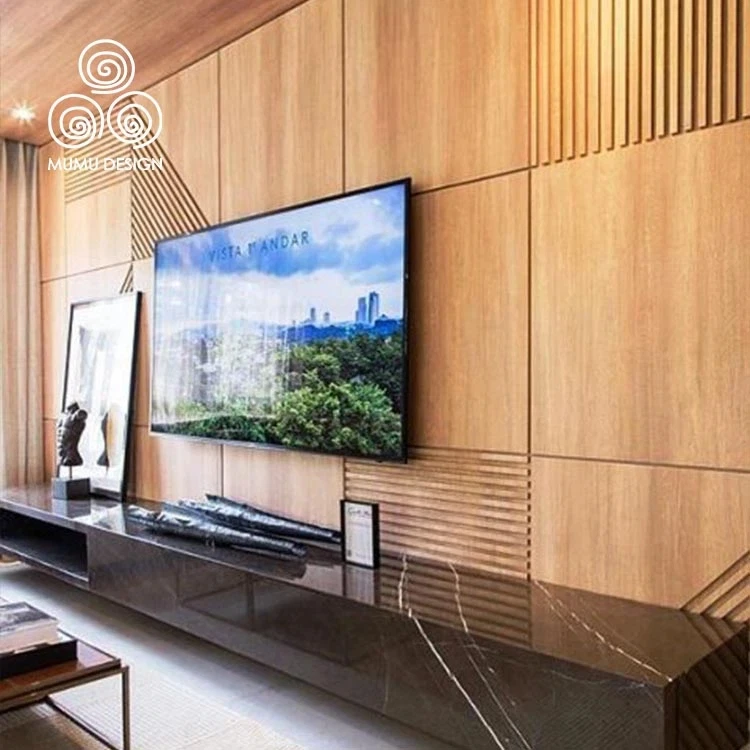
3D wall panels add depth and architectural interest to your television wall, creating dynamic shadow play that changes with the light throughout the day. These textured surfaces can range from subtle wave-like patterns to bold geometric designs, offering endless possibilities for customization. The three-dimensional quality helps disguise any imperfections in your walls while adding sophisticated detailing.
Popular 3D panel applications include:
Modular panels that create rhythmic patterns
Custom sculptural elements that become art pieces
Acoustic panels that combine function with form
Illuminated panels that enhance the dimensional effect
These walls work particularly well in modern and contemporary spaces where clean lines prevail. They can be finished in various materials including plaster, wood, or even fabric-covered acoustic panels. The texture adds visual weight to the wall without requiring additional decorations, making it perfect for those who want impact without clutter.
5. Functional TV Wall with Storage
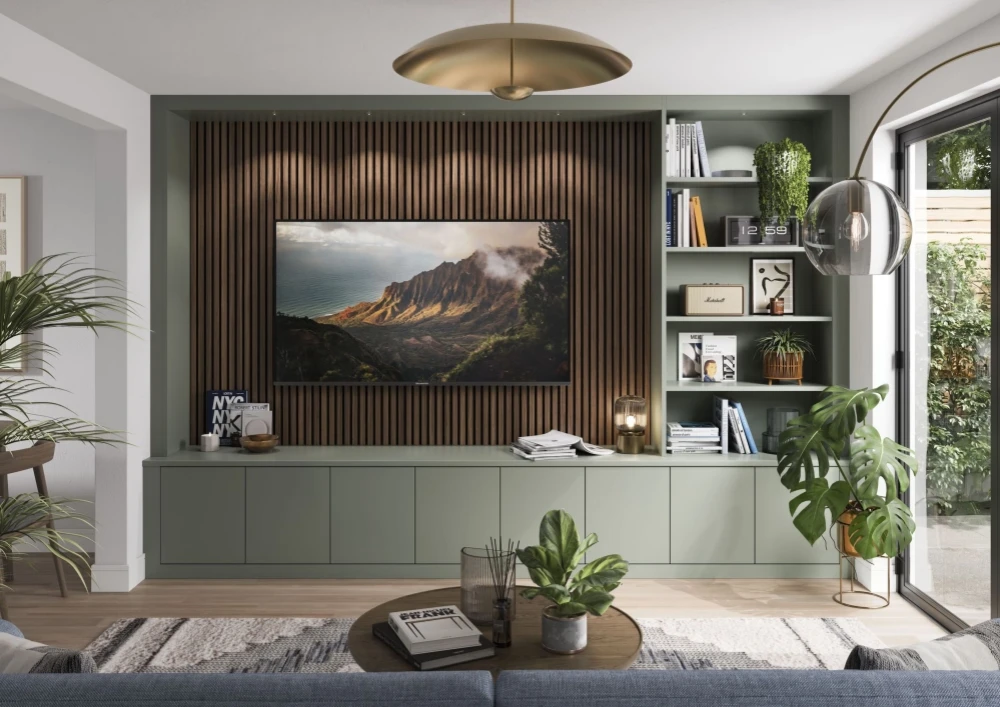
For homes where practicality is as important as aesthetics, the functional TV wall with integrated storage solutions offers the perfect balance. This approach transforms the television area into an organizational hub, concealing clutter while keeping essentials within easy reach. The key is designing storage that complements rather than competes with your TV.
Smart storage solutions include:
Floor-to-ceiling cabinets with concealed media equipment compartments
Floating shelves for displaying curated items
Built-in bookcases that frame the television
Hidden panels that reveal additional storage
Multi-level consoles that provide surface area without bulk
This design works particularly well in family homes and smaller spaces where every square inch needs to work hard. The storage can be customized to your specific needs - whether that's space for gaming systems, a home library, or display areas for collectibles. Color coordination between the storage units and wall helps create a unified, streamlined look.
6. Zen or Oriental TV Background Wall
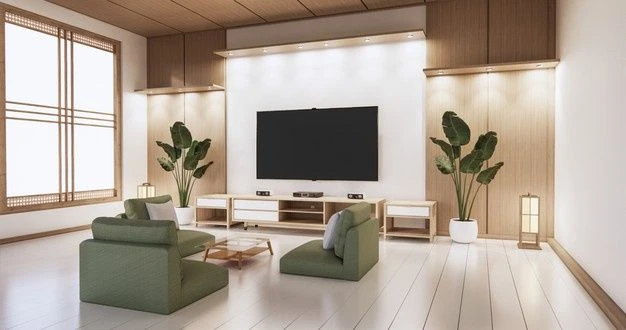
Inspired by Eastern philosophies, the Zen or Oriental TV wall creates a serene focal point that promotes tranquility and balance. This design often incorporates natural elements, simple forms, and a restrained color palette to cultivate a peaceful atmosphere. The television becomes integrated into a holistic environment rather than dominating it.
Characteristic elements include:
Shoji screen-inspired panels or room dividers
Minimalist wooden frameworks that create structure
Stone or pebble accents that reference Japanese gardens
Calligraphy artwork or simple ikebana arrangements
Tatami-like textures or woven grasscloth wallcoverings
This style works beautifully in spaces dedicated to relaxation and meditation. The design often incorporates principles of feng shui, carefully considering the placement of all elements to promote positive energy flow. Even in more contemporary settings, these elements can be adapted to create a calming media center that feels like a retreat.
7. Scandinavian Style TV Wall
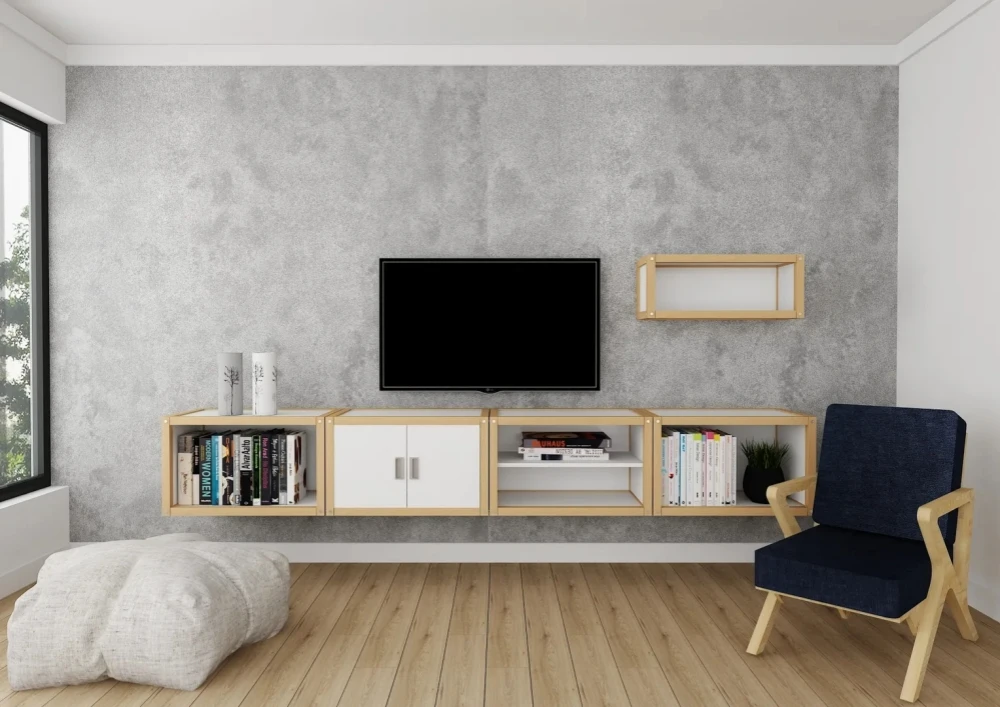
Scandinavian design brings together functionality, simplicity, and connection to nature - principles perfectly suited for TV wall design. This approach combines clean lines with natural materials and a light, airy aesthetic that makes spaces feel welcoming and uncluttered. The Scandinavian TV wall often serves as a subtle backdrop that enhances the overall room rather than demanding attention.
Key features include:
White or light gray walls that maximize natural light
Pale wood accents in oak, ash, or pine
Simple geometric forms and uncomplicated silhouettes
Integrated lighting that creates warmth
Multi-functional furniture pieces that save space
This style excels in smaller living rooms and apartments where creating a sense of spaciousness is crucial. The pared-back aesthetic allows for easy updates with seasonal textiles or decorative items. The Scandinavian approach proves that simplicity doesn't have to mean sterile - the use of natural materials and subtle textures creates spaces that are both modern and cozy.
8. Industrial TV Wall Design
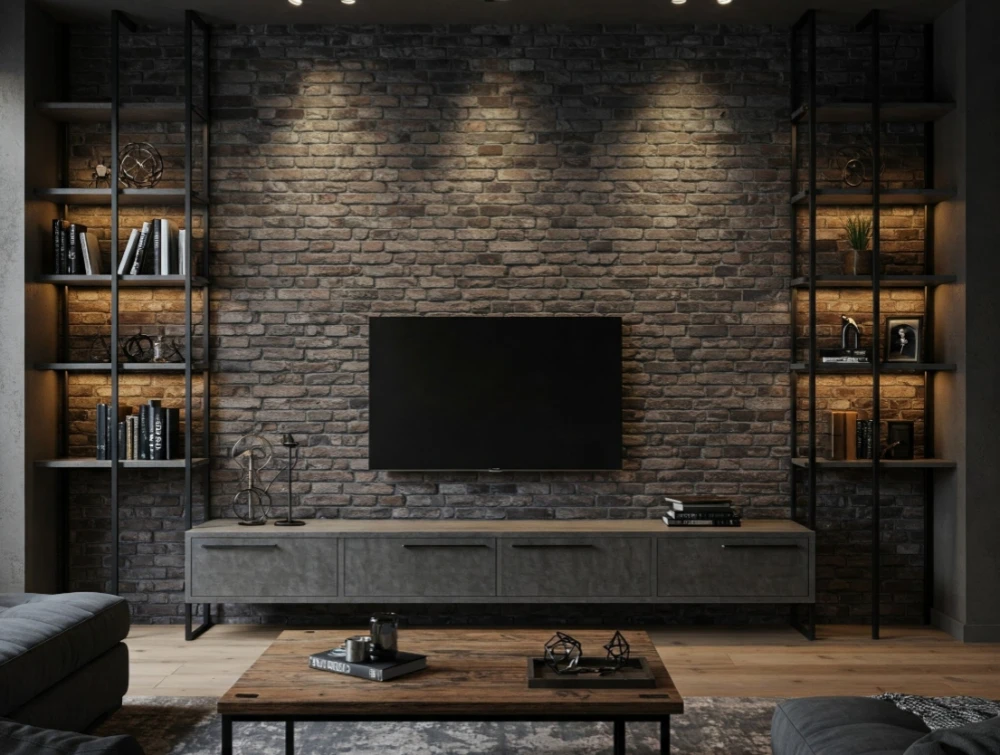
Industrial style TV walls channel urban loft living with raw materials, structural elements, and a no-nonsense aesthetic. This design embraces imperfections and celebrates the "bones" of a space, often incorporating exposed brick, concrete, or metal features. The television becomes part of an edgy, architectural composition rather than a standalone appliance.
Industrial elements might include:
Exposed brick or concrete walls
Metal conduit piping for exposed wiring
Reclaimed wood shelving or accents
Iron frames or cage-like enclosures
Edison bulb lighting fixtures
This style works particularly well in converted spaces with existing architectural character, though the look can be recreated in newer homes with the right materials. The industrial approach is ideal for those who prefer a masculine, urban aesthetic that feels authentic and lived-in. Balance the hardness of materials with softer textiles and warm lighting to prevent the space from feeling too cold.
9. Artistic TV Wall Design

For those who view their living space as a personal gallery, the artistic TV wall offers maximum creative expression. This approach treats the entire wall as a canvas, where the television becomes one element in a larger composition. The result is a truly unique focal point that reflects individual taste and personality.
Artistic approaches might feature:
Hand-painted murals that surround the television
Gallery walls that incorporate the TV as one "frame" among many
Textured finishes like Venetian plaster or metallic effects
Mixed media installations combining various materials
Bold color blocking or graphic patterns
This design direction works especially well in creative households and spaces meant to inspire. The key is maintaining some visual balance so the television remains functional within the artistic composition. Consider how the wall will look both when the TV is on and off - the art should enhance rather than compete with the viewing experience.
Choosing Your Perfect TV Background Wall
When selecting from these nine design approaches, consider both your practical needs and aesthetic preferences. Measure your space carefully, noting architectural features like windows, doors, and ceiling height that might influence your design. Think about how much storage you require and whether the wall needs to accommodate other functions like displaying art or housing audio equipment.
Lighting plays a crucial role - some designs benefit from integrated lighting solutions while others rely on natural light. Consider how the wall will look at different times of day and whether you need to incorporate lighting that reduces glare on the television screen.
Remember that your TV wall should complement your overall interior design scheme while reflecting your personal style. Whether you choose the serene simplicity of a minimalist approach or the bold statement of an artistic wall, the perfect design will make your living space feel both functional and uniquely yours.