

In modern home interior design, acoustic design has become increasingly important-especially as open-plan living spaces grow in popularity. Among the many sound-absorbing materials available, acoustic wall panels have drawn considerable attention for their blend of functionality and aesthetics, with oak acoustic wall panels standing out as one of the most popular options.
However, faced with a wide variety of acoustic materials on the market, many homeowners may wonder: Are oak acoustic wall panels really worth buying?
This article provides a comprehensive analysis of the features, advantages, disadvantages, and comparisons with other materials of oak acoustic panels, helping you make an informed decision for your space.
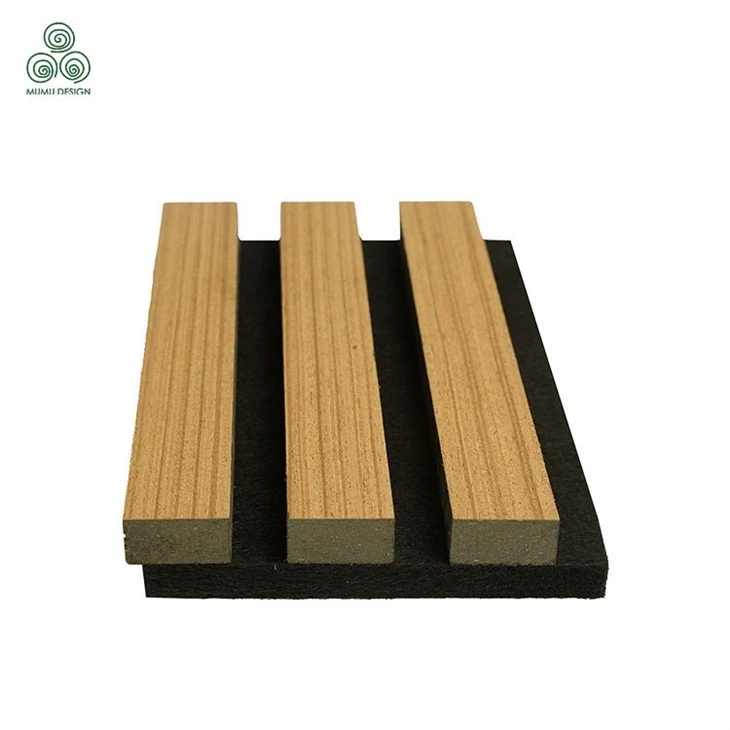
What Are Oak Acoustic Wood Wall Panels?
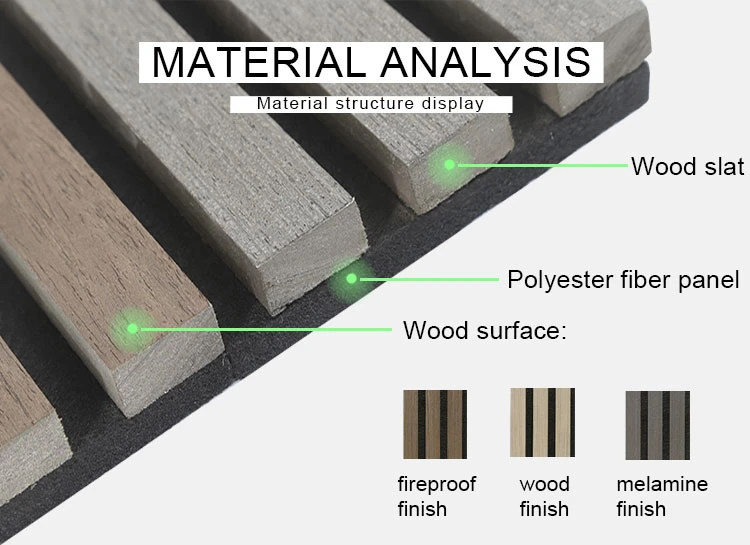
Oak acoustic wood wall panels are specialized wall coverings designed to improve a room's sound quality while adding natural beauty to interior spaces. These panels are typically made from solid oak or oak veneers over a sound-absorbing core material, combining the acoustic properties of specialized materials with the visual warmth of natural wood.
The construction of these panels often utilizes oak's inherent density and porous structure, which helps absorb sound wave energy. Unlike regular wall coverings, acoustic panels are engineered to reduce noise reflection, minimize echoes, and control sound reverberation within a space. Oak, as a premium hardwood, brings additional benefits of durability and timeless aesthetic appeal to these functional panels.
Available in various thicknesses (typically ranging from 18-22mm for solid wood versions), oak acoustic panels can be installed as full wall coverings or as decorative accents in specific areas where sound control is most needed, such as home theaters, recording spaces, or open-plan living areas.
Advantages of Oak Acoustic Wall Panels
Oak acoustic panels offer numerous benefits that make them stand out in the world of interior design and sound management:
1. Superior Acoustic Performance
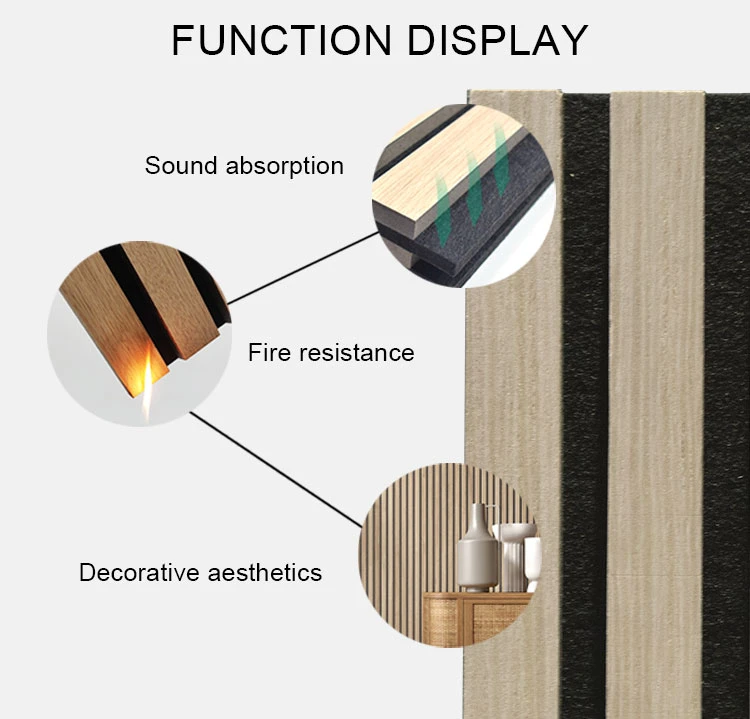
Oak's dense cellular structure effectively absorbs sound wave energy, reducing noise levels by up to 29 decibels in some configurations. This significantly improves room acoustics by minimizing echoes and unwanted sound reflections.
2. Natural Thermal Regulation
The thermal properties of oak help maintain consistent indoor temperatures, with some installations showing temperature modulation of up to 7 degrees. This can contribute to energy savings by reducing heating and cooling demands.
3. Humidity Control
Oak naturally absorbs and releases moisture from the air, acting as a humidity regulator that can improve indoor air quality and comfort.
4. Exceptional Durability
As one of the harder hardwoods, oak resists dents and wear better than many other materials, making it ideal for high-traffic areas or spaces that need long-term performance.
5. Fire Resistance
Oak has natural fire-resistant properties, with tests showing oak-based materials have slower burn rates compared to other woods. Some oak acoustic panels achieve oxygen indices of 26, exceeding standard fire safety requirements for building materials.
6. Aesthetic Versatility
Available in various stains and finishes, oak panels can complement traditional, modern, and transitional design schemes. The wood's distinctive grain patterns add visual warmth and character to any space.
Healthier Indoor Environment: Unlike some synthetic materials, solid oak panels don't emit harmful VOCs and can be installed without additional painting or finishing, reducing chemical exposure in living spaces
Disadvantages of Oak Acoustic Wall Panels
While oak acoustic panels offer numerous benefits, there are some potential drawbacks to consider:
1. Higher Cost
As a premium hardwood material, oak acoustic panels typically come with a higher price tag compared to softwood or synthetic alternatives. The cost can be prohibitive for large-scale projects or budget-conscious homeowners.
2. Weight Considerations
Solid oak panels are substantially heavier than medium-density fiberboard (MDF) or softwood alternatives, which may require additional structural support during installation, potentially increasing project complexity and cost.
3. Limited Soundproofing
While excellent at sound absorption and echo reduction, oak panels alone don't provide complete soundproofing. They manage sound within a space rather than blocking sound transmission between rooms, which might require additional solutions for complete noise isolation.
4. Maintenance Requirements
Unlike painted surfaces or wallpapers, oak panels may require periodic treatment with wood oils or waxes to maintain their appearance and protect against moisture, adding to long-term maintenance commitments.
5. Thickness Constraints
To achieve optimal acoustic performance while maintaining structural integrity, oak panels often need to be thicker than some alternative materials, potentially reducing room space slightly.
6. Color Variation
Natural oak's color can vary between batches, which might lead to slight inconsistencies in appearance, especially if additional panels need to be purchased later for room expansions or repairs.
Oak vs. Other Wood Species for Acoustic Panels
When compared with other popular materials, oak acoustic wall panels hold a strong position in the market:
|
Property |
Oak |
Pine |
Walnut |
MDF |
Teak |
|
Density & Durability |
★★★★☆ |
★★☆☆☆ |
★★★★☆ |
★★☆☆☆ |
★★★★★ |
|
Acoustic Absorption |
29 dB |
22 dB |
26 dB |
18 dB |
28 dB |
|
Aesthetic Appeal |
Timeless, textured grain |
Rustic |
Dark & elegant |
Plain |
Rich tone |
|
Sustainability |
Moderate (renewable hardwood) |
Fast-growing |
Limited |
Recyclable |
Limited |
|
Cost Range |
Mid–High |
Low |
High |
Low |
Very High |
Compared to MDF or softwoods, oak provides superior sound management and design longevity-a balanced choice for both aesthetics and performance.
Practical Applications of Oak Acoustic Wall Panels
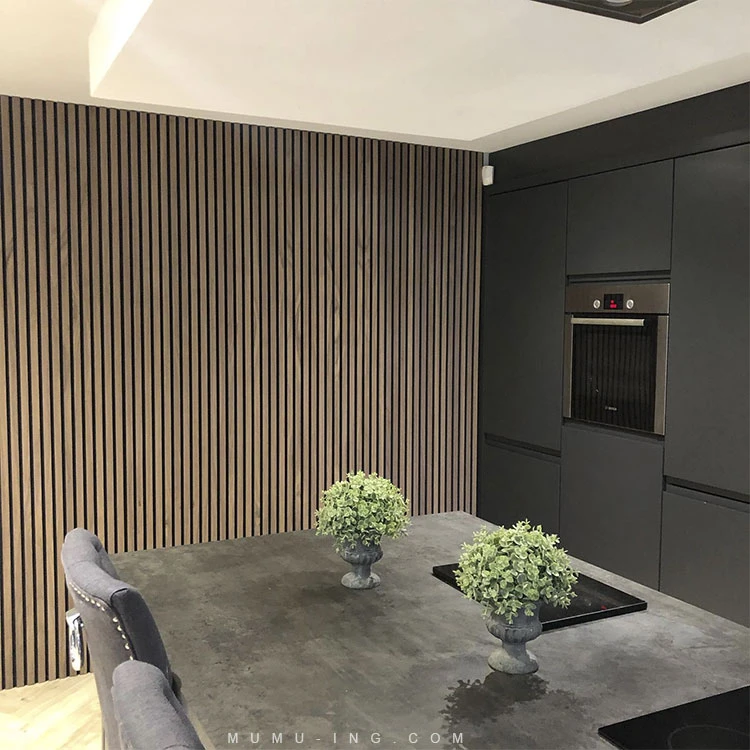
While oak acoustic wood wall panels are technically impressive, their real value shines through in practical, real-world settings. From private residences to high-end commercial interiors, these panels deliver a powerful combination of acoustic comfort, natural aesthetics, and spatial harmony.
1. Home Theaters and Music Rooms
Oak acoustic panels are ideal for spaces where sound quality matters most. They reduce echo and reverberation while maintaining warmth and clarity, creating an immersive sound experience that's perfect for movie nights or music production studios.
2. Home Offices and Study Areas
As remote and hybrid work continue to grow, acoustic comfort has become essential for productivity. Installing oak wood wall panels in home offices helps minimize background noise and improves speech clarity during calls, creating a quieter and more focused environment.
3. Open-Plan Living Spaces
Modern interiors often favor open layouts-but these designs can suffer from unwanted echo. Oak acoustic slat wall panels help define acoustic zones without using physical barriers, balancing style and functionality while preserving a sense of openness.
4. Hospitality and Commercial Environments
Restaurants, hotels, and reception areas benefit from the luxurious look and acoustic control of oak panels. They enhance brand perception while providing guests with a comfortable soundscape that encourages conversation without noise fatigue.
5. Creative and Wellness Studios
Oak's natural tone and texture promote calm and focus, making it a perfect material for yoga studios, art spaces, or meditation rooms. The panels help create environments that feel both serene and acoustically balanced.
6. Retail and Exhibition Spaces
In retail design, acoustics play a key role in customer experience. Oak acoustic wall panels add warmth and sophistication to stores and showrooms, while their noise-reducing properties enhance the overall atmosphere and keep visitors engaged longer.

Conclusion: Are Oak Acoustic Wood Wall Panels Worth It?
After analyzing their design, function, and longevity, the answer is clear: yes, oak acoustic wood wall panels are worth it-especially for homeowners, designers, and businesses seeking both superior acoustic performance and natural beauty.
They deliver measurable noise reduction, improve clarity, regulate indoor climate, and add long-lasting visual warmth. While their initial price and installation effort may be higher than cheaper alternatives, the long-term return on comfort, performance, and aesthetics makes oak panels an excellent investment.
Explore our range of 3D acoustic wood wall panels and obtain free samples and quotations.
FAQ
1. Do oak acoustic panels really reduce noise?
Yes. Properly installed oak acoustic wall panels can reduce sound reflections and echoes by up to 29 dB, significantly improving room acoustics.
2. Are oak panels completely soundproof?
No. They control internal acoustics but do not block sound transmission between rooms. For full soundproofing, additional materials are recommended.
3. How do you maintain oak acoustic panels?
Wipe with a soft cloth and periodically treat with natural wood oil or wax to preserve color and protect against moisture.
4. Are oak panels eco-friendly?
Yes. Oak is a sustainably sourced hardwood and emits no harmful VOCs, making it safe and environmentally responsible.