

As an expert in the wall panel industry, I often encounter homeowners, interior designers, and building professionals searching for solutions to noisy neighbor problems. One question that consistently arises is whether acoustic panels can effectively address this common urban living challenge. This comprehensive guide will explore the science behind acoustic panels, their effectiveness against neighbor noise, and how to maximize their performance while maintaining aesthetic appeal.

What Are Acoustic Panels?
Acoustic Wall Panels, also known as sound-absorbing panels or soundproof panels, are specialized wall coverings designed to improve a room's sound quality by controlling reverberation and echo. These panels come in various shapes, sizes, and materials, but they all share a common purpose: to manage sound waves within a space.
At their core, acoustic panels work by converting sound energy into heat energy through friction within their porous material structure. Unlike solid barriers that attempt to block sound entirely, acoustic panels primarily absorb sound waves that strike their surface, reducing reflections that can cause echo and reverberation.
The modern acoustic panel has evolved significantly from its early 20th century predecessors. Today's versions combine advanced materials science with thoughtful design, resulting in products that are equally functional and visually appealing. From simple flat panels to intricate 3D designs, the acoustic panel market offers solutions for virtually every application and decor style.
The Science Behind Acoustic Panels: Sound Absorption vs. Soundproofing
A critical distinction that often causes confusion among consumers is the difference between sound absorption (what acoustic panels primarily do) and soundproofing (what people often want for noisy neighbors). Understanding this distinction is crucial for setting proper expectations and selecting the right solution for your needs.
Sound absorption refers to a material's ability to convert sound energy into heat through friction within its porous structure. When sound waves enter an acoustic panel, they cause microscopic vibrations in the material's fibers or cells, gradually losing energy until the sound is effectively "absorbed." This process is particularly effective for reducing echoes and reverberation within a room, making speech clearer and music more precise.
Soundproofing, on the other hand, involves blocking sound transmission between spaces. True soundproofing requires mass, air gaps, and decoupling - elements that prevent sound waves from passing through walls or floors in the first place. While acoustic panels can contribute to overall noise reduction, they are not specifically designed to stop sound from entering a room from outside sources like noisy neighbors.
The effectiveness of acoustic panels follows several key scientific principles:
- Porous Absorption Principle: Most acoustic panels contain interconnected pores that allow sound waves to enter and get trapped, converting their energy to heat through friction.
- Resonance Absorption Principle: Some panels (particularly those targeting low frequencies) use carefully tuned cavities that resonate at specific frequencies, effectively "trapping" those sound waves.
- Damping Dissipation Principle: Certain composite materials contain viscoelastic layers that convert vibrational energy into heat, particularly effective for low-frequency sounds.
- Diffusion Reflection Principle: Some panels feature surface designs that scatter sound waves rather than absorbing them, useful for maintaining liveliness in a room while reducing problematic reflections.

Can Acoustic Panels Really Reduce Noisy Neighbor Problems?
This is the million-dollar question for many frustrated apartment dwellers and homeowners. The answer is nuanced: acoustic panels can help with noisy neighbor situations, but their effectiveness depends heavily on the type of noise and how they're implemented.
- For Impact Noise (Footsteps, Furniture Moving): Acoustic panels have limited effectiveness against impact noise from upstairs neighbors. This type of noise transmits through building structures and requires mass-loaded barriers or resilient underlayments to address properly.
- For Airborne Noise (Conversations, TV, Music): Acoustic panels can provide measurable improvement against airborne noise from adjacent units, especially when combined with other sound control strategies. They work by absorbing sound waves that enter your space, reducing the overall noise level and echo effect.
Key Factors Affecting Performance Against Neighbor Noise:
- Panel Placement: For neighbor noise, panels should be installed on walls or ceilings adjacent to the noise source. Simply placing panels randomly around your room won't significantly reduce incoming noise.
- Room Characteristics: Hard, reflective surfaces amplify neighbor noise through reverberation. Acoustic panels can reduce this effect by up to 70%, making the remaining noise less noticeable.
- Frequency Range: Most neighbor noise falls into the mid-frequency range (human speech, TV dialogue), which standard acoustic panels handle well. Low-frequency bass requires specialized thick or resonant panels.
- Complementary Measures: For best results, acoustic panels should be part of a comprehensive approach including weatherstripping doors, using heavy curtains, and possibly adding mass-loaded vinyl to problem walls.
While acoustic panels alone may not create complete silence from noisy neighbors, they can significantly improve comfort by reducing echo and making intrusive noises seem less harsh and more manageable. For many people, this reduction in perceived noise is enough to restore peace of mind in shared living situations.
Comparing Different Types of Acoustic Panels
The acoustic panel market offers a wide variety of options, each with unique characteristics that make them suitable for different applications. Understanding these differences is crucial for selecting the right product for your noisy neighbor situation.
1. Flat Acoustic Panels
- Description: Simple, flat-surfaced panels typically made from fiberglass, foam, or mineral wool cores wrapped in fabric.
- Best For: General-purpose sound absorption, mid-frequency noise reduction
- Pros: Cost-effective, easy to install, wide variety of sizes and colors
- Cons: Limited low-frequency performance, basic appearance
2. Perforated Wood Acoustic Panels
- Description: Wood panels with precisely spaced holes that allow sound to enter an absorbent backing material.
- Best For: Spaces requiring both acoustic treatment and natural aesthetics
- Pros: Attractive wood finishes, durable construction, good mid-range absorption
- Cons: More expensive than basic panels, requires professional installation for best results
3. Microperforated Acoustic Panels
- Description: Advanced panels featuring thousands of tiny holes tuned to specific frequencies based on Helmholtz resonance principles.
- Best For: High-performance applications where appearance matters (offices, high-end homes)
- Pros: Excellent sound absorption across broad frequency range, clean modern look
- Cons: Premium pricing, limited availability
4. 3D Acoustic Panels
- Description: Panels with sculpted surfaces that combine absorption with diffusion.
- Best For: Decorative applications where visual impact is important
- Pros: Striking visual appearance, combines absorption and diffusion
- Cons: Typically more expensive, may require more wall space
5. Bass Traps
- Description: Extra-thick panels (often triangular) designed specifically for low-frequency absorption.
- Best For: Dealing with neighbor's bass-heavy music or home theater systems
- Pros: Effective where other panels fail (low frequencies)
- Cons: Bulky, must be placed in room corners
6. Acoustic Fabric Art Panels
- Description: Sound-absorbing panels printed with artwork or photographs.
- Best For: Residential settings where aesthetics are paramount
- Pros: Doubles as wall decor, customizable
- Cons: Typically thinner with less absorption capacity
Table: Acoustic Panel Performance by Frequency Range
|
Panel Type |
Low Frequency |
Mid Frequency |
High Frequency |
Aesthetic Appeal |
|
Flat Panels |
★★☆☆☆ |
★★★★☆ |
★★★★★ |
★★☆☆☆ |
|
Perforated Wood |
★★★☆☆ |
★★★★☆ |
★★★★☆ |
★★★★☆ |
|
Microperforated |
★★★★☆ |
★★★★★ |
★★★★★ |
★★★★☆ |
|
3D Panels |
★★☆☆☆ |
★★★★☆ |
★★★☆☆ |
★★★★★ |
|
Bass Traps |
★★★★★ |
★★☆☆☆ |
★☆☆☆☆ |
★★☆☆☆ |
|
Fabric Art |
★★☆☆☆ |
★★★☆☆ |
★★★★☆ |
★★★★★ |
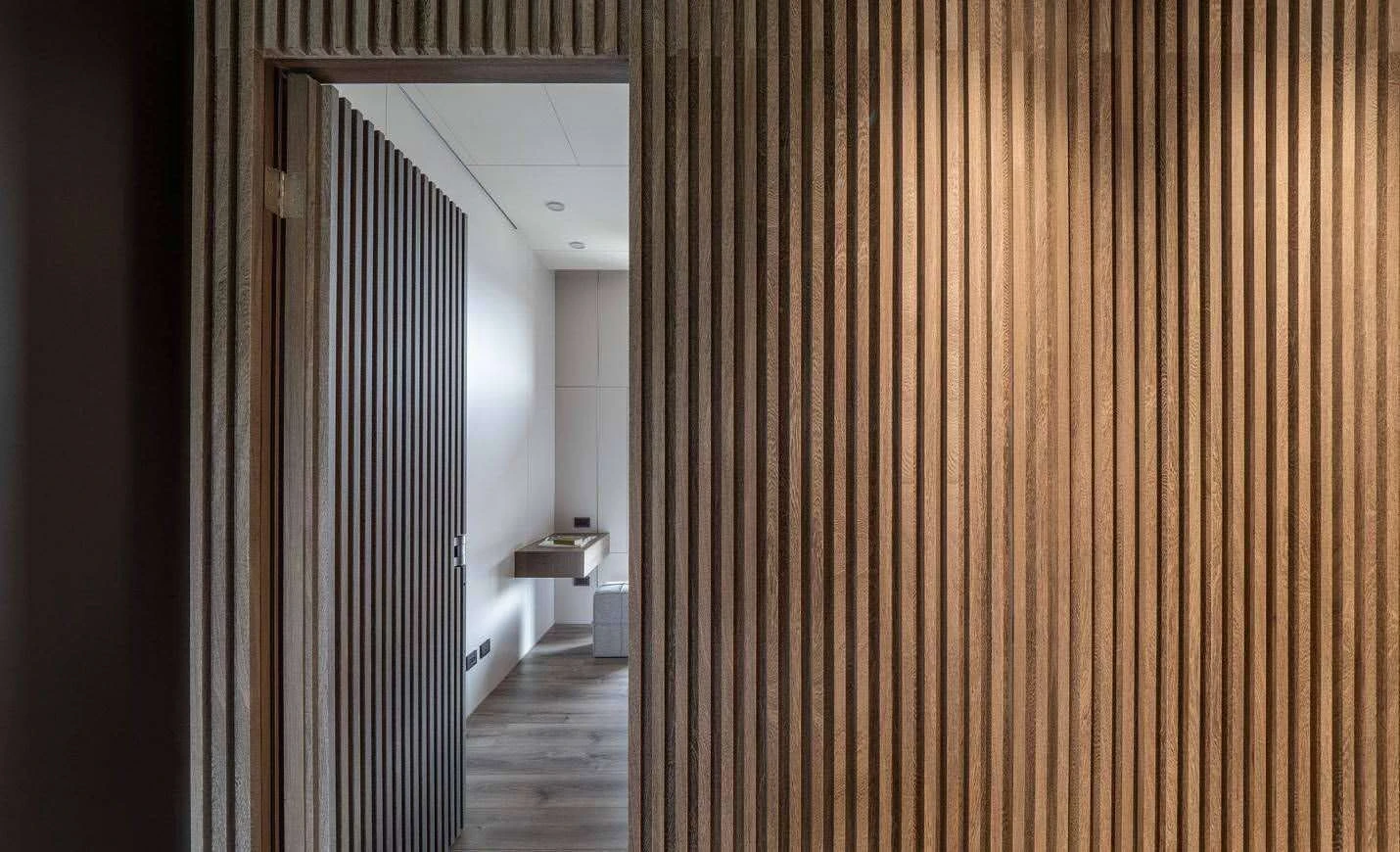
When dealing with noisy neighbors, a combination of panel types often works best - for example, perforated wood panels for general noise reduction supplemented by bass traps if low-frequency noise is a particular problem.
Enhancing Acoustic Panels' Performance Against Neighbor Noise
While acoustic panels alone have limitations against neighbor noise, several strategies can significantly enhance their effectiveness when implemented properly.
Installation Techniques for Maximum Impact
- Strategic Placement: Identify "noise hot spots" by listening for where neighbor sounds seem loudest. These areas should receive priority panel placement. For shared walls, cover at least 30-50% of the wall surface with panels for noticeable improvement.
- Air Gap Technique: Mount panels with a 1-2 inch air space between the panel and wall. This dramatically improves low-frequency absorption by creating a resonant cavity.
- Ceiling Coverage: For upstairs neighbor noise, ceiling-mounted panels can reduce reflected noise.
- Corner Treatment: Room corners act as acoustic amplifiers. Placing bass traps or thick panels in corners can reduce overall noise buildup.
Complementary Soundproofing Measures
- Seal Air Leaks: Use acoustic sealant around outlets, gaps, and cracks in walls shared with neighbors.
- Door Upgrades: Install door sweeps and weatherstripping to prevent noise flanking.
- Layered Window Treatments: Heavy drapes with acoustic lining can supplement wall panels.
- Furniture Placement: Bookshelves filled with books placed against noisy walls add mass and diffusion.
Material Enhancements
- Hybrid Systems: Combine acoustic panels with mass-loaded vinyl (MLV) for improved sound blocking.
- Variable Thickness: Use thicker (2-4 inch) panels near noise sources and thinner panels elsewhere.
- Damping Compounds: Some installers apply viscoelastic damping compounds between panels and walls for improved low-frequency performance.
Measurement and Adjustment
- Before/After Testing: Use smartphone sound meter apps to quantify improvements after installation.
- Flexible Arrangement: Temporary mounting options allow experimentation with panel placement.
- Layered Approach: Start with a basic panel arrangement and add more elements over time as needed.
Remember that dealing with neighbor noise often requires patience and experimentation. What works for airborne conversation noise may not help with impact sounds like footsteps, so a multifaceted approach yields the best results
The Marriage of Form and Function: Wooden Acoustic Panels and 3D Wall Designs
One of the most exciting developments in acoustic treatment is the growing convergence of sound management and interior design. Today's acoustic solutions no longer need to be eyesores - they can become stunning visual elements that elevate a space's aesthetics while solving noise problems.
Wood Acoustic Panels: Natural Sound Control
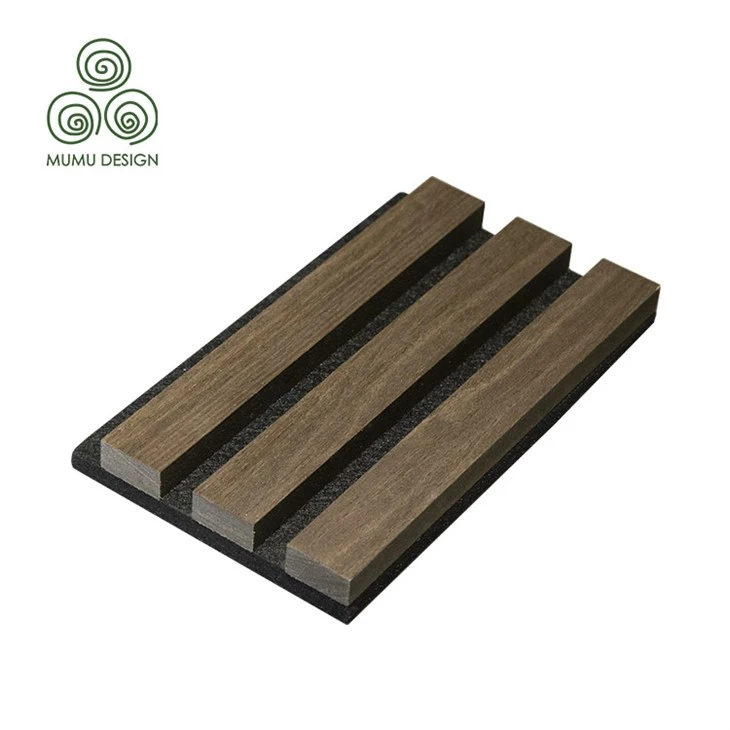
Wooden acoustic panels have gained popularity among architects and designers for blending acoustic performance with warm, natural aesthetics. These panels typically feature:
- Precision perforations that allow sound waves to enter while maintaining a clean wood surface appearance
- Sustainable wood veneers over acoustic cores, offering both environmental appeal and performance
- Customizable patterns and finishes that complement various design schemes
- Durability and longevity surpassing fabric-wrapped panels
3D Acoustic Wall Panels: Sculptural Sound Solutions
The rise of 3D wall panels has opened new possibilities for transforming acoustic treatment into art:
- Geometric Designs: Hexagonal, diamond, and wave patterns create visual interest while breaking up sound reflections.
- Depth Variation: 3D panels use sculpted surfaces to provide both absorption and diffusion.
- Material Innovation: Modern 3D panels combine materials like molded foam, wood composites, and recycled materials for unique textures.
- Modular Systems: Many 3D panels are designed for easy mixing and matching.
Design Integration Tips
- Feature Walls: Create an accent wall with patterned acoustic panels.
- Ceiling Applications: 3D panels on ceilings provide overhead absorption while adding architectural interest.
- Lighting Integration: Strategically placed lighting can enhance shadows and textures.
- Color Coordination: Many manufacturers offer custom color matching to blend with existing decor.
Conclusion: Are Acoustic Panels Worth It for Noisy Neighbors?
Acoustic panels can be an effective part of your solution against noisy neighbors, particularly for airborne noise like voices, television, and mid-range music. They work best when:
- Properly selected for the specific noise problems you're experiencing
- Strategically placed on walls or ceilings adjacent to the noise source
- Combined with other sound control measures like weatherstripping and heavy curtains
- Installed with sufficient coverage (30-50% of problem surfaces)
However, temper your expectations:
- Acoustic panels alone won't create complete silence from extremely loud neighbors
- Impact noise requires different solutions like resilient underlayments
- For severe noise problems, professional soundproofing with mass and decoupling may be necessary
For most people dealing with moderate neighbor noise issues, a well-planned acoustic panel installation combined with complementary measures will provide noticeable improvement worth the investment. Those with severe noise problems may need to consult acoustic professionals for more comprehensive solutions
FAQ
Q: Can acoustic panels completely block neighbor noise?
A: No, acoustic panels primarily absorb sound within a room rather than blocking sound transmission.
Q: What type of acoustic panel works best against loud voices?
A: Standard fabric-wrapped fiberglass or mineral wool panels (2-4 inches thick) work well.
Q: How much wall coverage do I need for noticeable noise reduction?
A: For neighbor noise, aim for 30-50% coverage of shared walls.
Q: Do decorative 3D acoustic panels work as well as plain ones?
A: Many 3D panels offer comparable performance while providing diffusion benefits.
Q: Can I install acoustic panels myself?
A: Yes, most systems are designed for DIY installation.
Q: Will acoustic panels help with upstairs neighbor footsteps?
A: Only minimally; impact noise is best addressed with ceiling-mounted resilient channels.
Q: How do I clean and maintain acoustic panels?
A: Fabric panels can be vacuumed; wood and 3D panels can be wiped with a damp cloth.
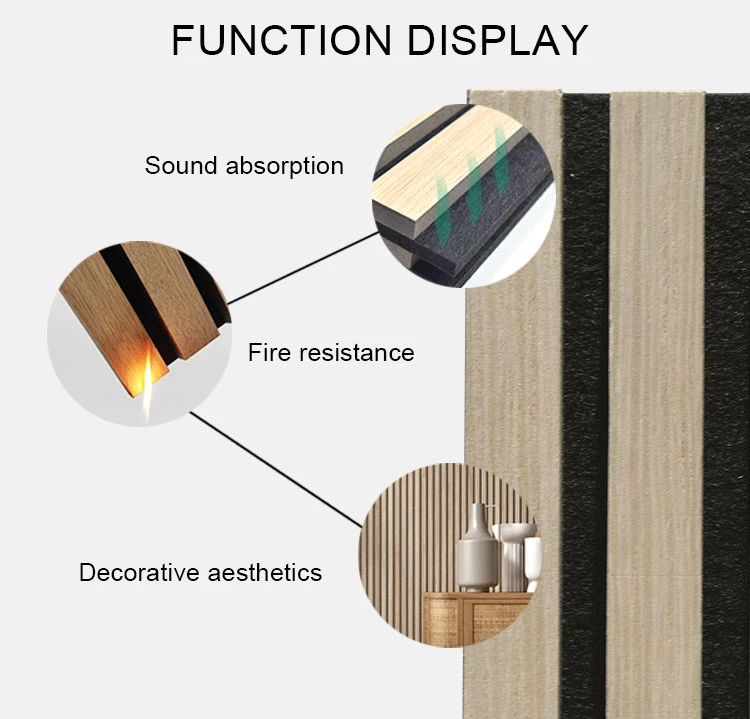
Q: Are there fire safety concerns with acoustic panels?
A: Quality panels meet fire safety standards; look for Class A fire-rated materials.
Q: Can acoustic panels help with outside traffic noise?
A: Slightly, but windows are typically the weak point; heavy curtains help.
Q: How long do acoustic panels typically last?
A: Most quality panels last 10–15 years with proper care.