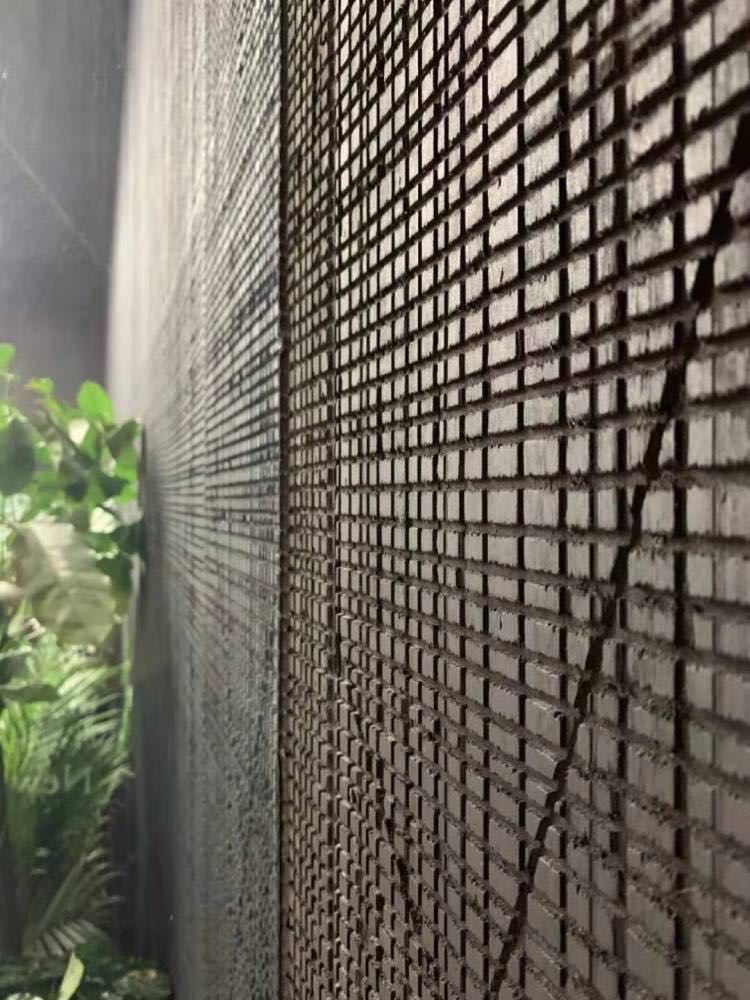
When it comes to wall decoration, everyone’s mind may immediately think of wall painting or pasting wall coverings. In fact, compared to some of the above methods, the wall panel has its own unique advantages. In this article, let’s talk about the specific application of wall panels in home decoration.
The wall panels originally came from Europe and are representative of European style decoration. Nowadays the use of wall panels in decoration has been wisely used and can be seen in modern simplicity, light luxury and other styles.
The benefits of using wall panels: -
1) Effectively protect the wall
The primary function of the wall panel is to protect the wall. Wall panels are installed to avoid the traces caused by the walls being leaned against by furniture such as tables and chairs.
2) Maintain a good room temperature
The thermal conductivity of wood is poor, and the wall panels are used in a large area, and the indoor heat is not easily transmitted to the outdoors. It can be warm in winter and cool in summer, which can improve our comfort at home.
3) Unified environmental style
The wall panel has a good connection effect, connecting different spaces, optimizing and unifying the overall design style. In addition, the wall panels can be integrated into the door and cabinet, showing a high degree of unity.
4) Easy to take care
Wall panels are easier to maintain than wallpaper, brick wall tiles, latex paint. You only need to do a good job of dust removal and waxing to keep the panel surface as new.
Application scenarios of wall panels: -
1) Use for the whole house
It is used in the living room, dining room, bedroom, study and other spaces to form a unified style with the cabinet of the room.
2) Background wall decoration
The sofa background wall, TV background wall, bedside background wall, etc. in the home can be decorated with wall panels to enhance the sense of quality.
3) Decoration of transition area
The use of wall panels between the two areas can play a visual transition effect, naturally excessive and not rigid. The transition areas of the kitchen, dining room, and bathroom are decorated with wall panels. Usually, the designer uses wall panels to visually create a transitional area from the entrance to the living room. The area of the wall panel is not large but it can show the integrity of the entrance.