

In recent years, Shou Sugi Ban has become one of the most notable materials in the field of architecture and interior design. Shou-Sugi-Ban is an ancient Japanese wood charring technique. With its unique black surface, striking texture, and long-lasting durability, it has been highly favored by architects, designers, and homeowners. From modern residential and commercial building façades to interior wall panels, custom furniture, flooring, fences, and outdoor decks, Shou Sugi Ban has been widely applied, becoming a signature material for high-end and elegant spaces.
But what exactly is Shou Sugi Ban? Why is it so popular around the world? Beyond its unique beauty, it also represents a long tradition, craftsmanship, and culture.
As one of the world's leading manufacturers of Shou Sugi Ban cladding and wall panels, MuMu Design has more than twenty years of professional experience in creating high-quality wood solutions. We have a deep understanding of Shou Sugi Ban. In order to help you better understand what Shou Sugi Ban is, I will give you a comprehensive introduction in this guide. Please continue reading to learn more.

The Origins and Crafting Process of Shou Sugi Ban
Shou Sugi Ban, more accurately called Yakisugi (焼杉) in Japanese, has its roots in Japan over 1,600 years ago. At a time when timber was an essential building material yet highly vulnerable to rot, insects, and weathering, Japanese craftsmen discovered that controlled charring of the wood's surface could dramatically extend its service life. This was not only a pragmatic solution but also one that aligned with Japanese philosophy, embracing the beauty of impermanence and imperfection known as wabi-sabi.
The name "Shou Sugi Ban" itself is a linguistic distortion. While "Yakisugi" literally translates to "burnt cedar," Western adoption of the term evolved into "Shou Sugi Ban," which has since become the common phrase worldwide. Despite the misnomer, the essence of the craft remains unchanged: controlled fire as both a tool of preservation and artistry.
Traditional Method
In its original form, craftsmen would bind three cedar planks together in a triangular formation, ignite the hollow center, and allow the flames to char the surfaces evenly. Oxygen flow was carefully monitored to avoid overburning, producing a deep, protective carbon layer. After burning, the planks were brushed, cleaned, and finally treated with natural oils such as tung or linseed oil to enhance longevity and texture.
Modern Technique
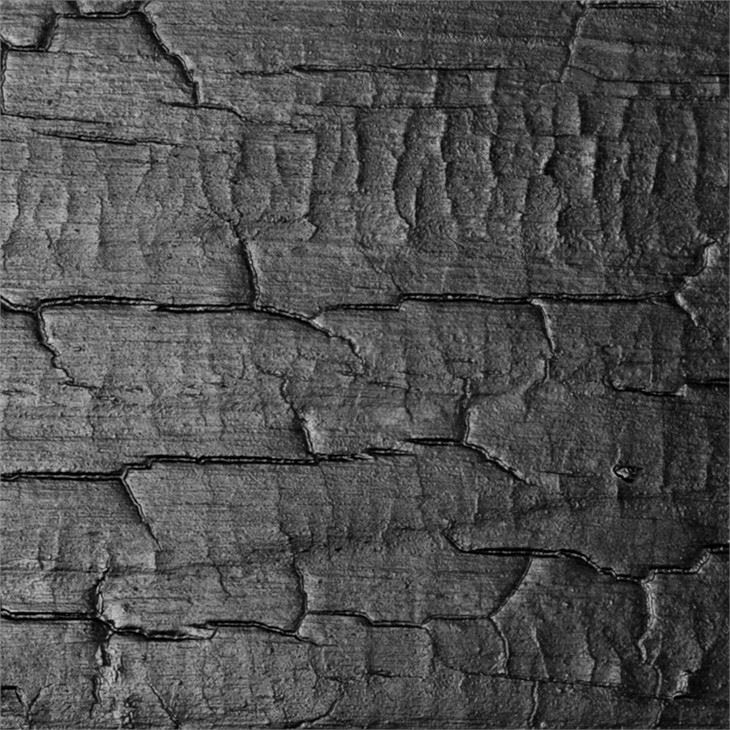
Contemporary Shou Sugi Ban production has evolved with precision and scale. Industrial torches, gas burners, and specialized machinery allow manufacturers to control heat intensity and charring depth with remarkable accuracy. This flexibility enables a wide range of finishes-from a subtle, smoked patina to a deep, alligator-skin crackle effect.
Regardless of the method, the essential steps remain consistent: burn, brush, clean, and oil. Each stage influences not only the wood's durability but also its final aesthetic character. For DIY enthusiasts, the process can be replicated on a small scale, but achieving uniformity and structural stability often requires the expertise of seasoned professionals.
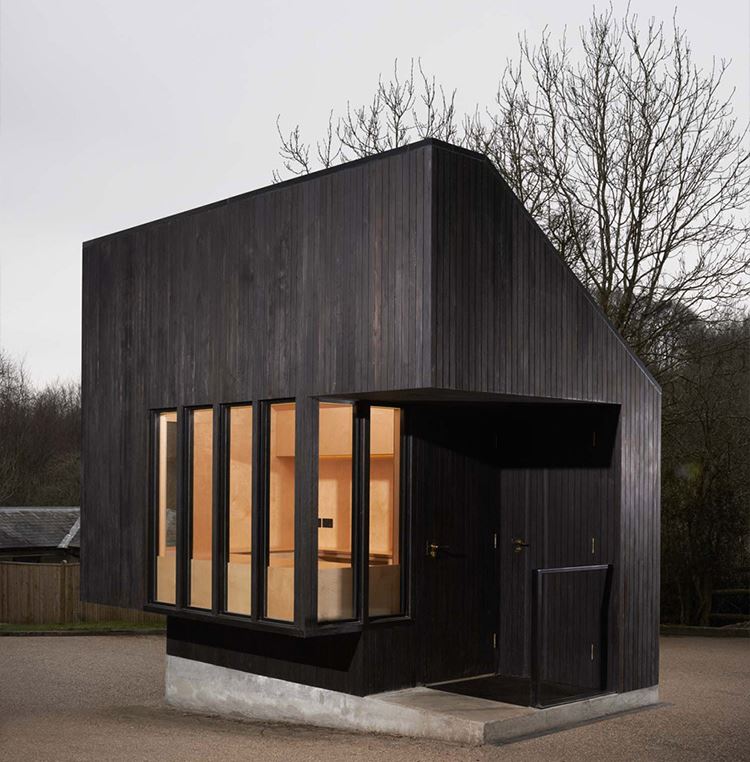
The Advantages of Shou Sugi Ban
What has propelled Shou Sugi Ban from a traditional Japanese craft to an international design trend are its multifaceted benefits, which go far beyond visual appeal.
1. Artistic Expression
Perhaps the most recognizable feature of Shou Sugi Ban is its dramatic appearance. The charred surface creates deep contrasts, highlighting the natural grain of the wood in ways that no stain or paint can replicate. Depending on the degree of burning and brushing, the finish can range from sleek, matte black to silver-gray tones with a weathered elegance. Designers often choose it for its ability to bring warmth, depth, and character to modern spaces while retaining a timeless aesthetic.
2. Functional Performance
The process of carbonization fundamentally alters the wood's surface properties. The hardened char layer acts as a natural shield, offering resistance against rot, mold, termites, and even fire. Shou Sugi Ban also resists ultraviolet degradation, helping it maintain its color and integrity in outdoor environments. Properly crafted boards can last anywhere from 20 to 80 years depending on exposure and care-making it one of the most durable natural siding and paneling options available.
3. Sustainability and Environmental Responsibility
Unlike chemically treated lumber, Shou Sugi Ban relies solely on fire and natural oils to enhance durability. This makes it a healthier, toxin-free option for both interiors and exteriors.
At MuMu Design, we extend this tradition by offering FSC-certified sustainable wood species-including European red pine, larch, and Mongolian scotch pine-allowing architects and project owners to meet green building standards without compromising design.
In addition, our advanced charring process reduces the wood's hygroscopic properties, minimizing the risks of warping, cracking, or shrinking in demanding outdoor conditions. The result is a cladding and furniture solution that not only meets the highest aesthetic standards but also contributes to long-term environmental stewardship.
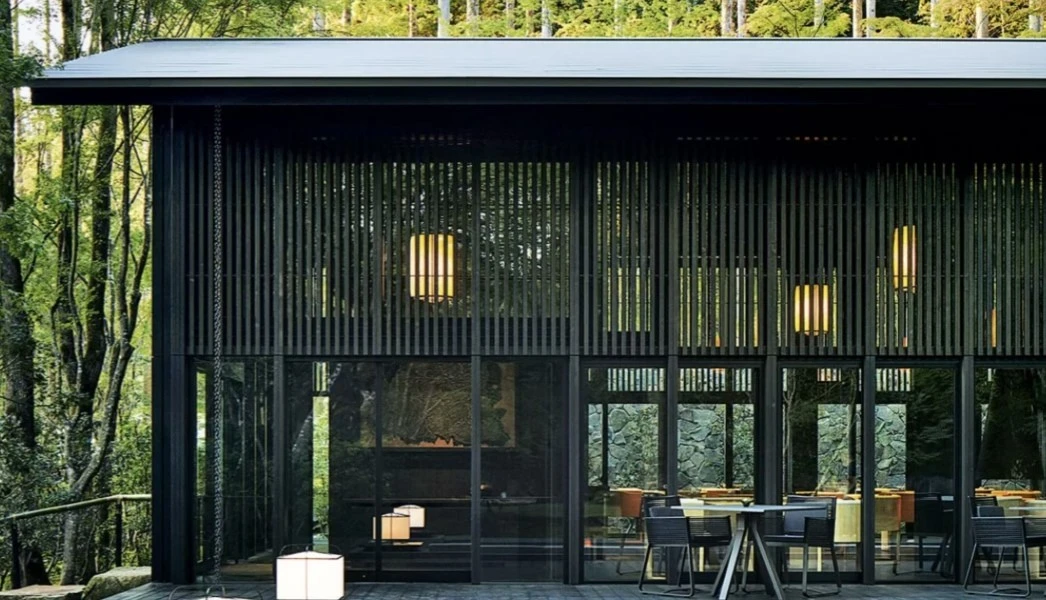
Applications of Shou Sugi Ban
The versatility of Shou Sugi Ban makes it suitable for a wide spectrum of architectural and design contexts. While it first emerged as a solution for exterior siding in Japan, its striking appearance and durable performance have since expanded its use into both residential and commercial projects worldwide.
Exterior Walls and Façades
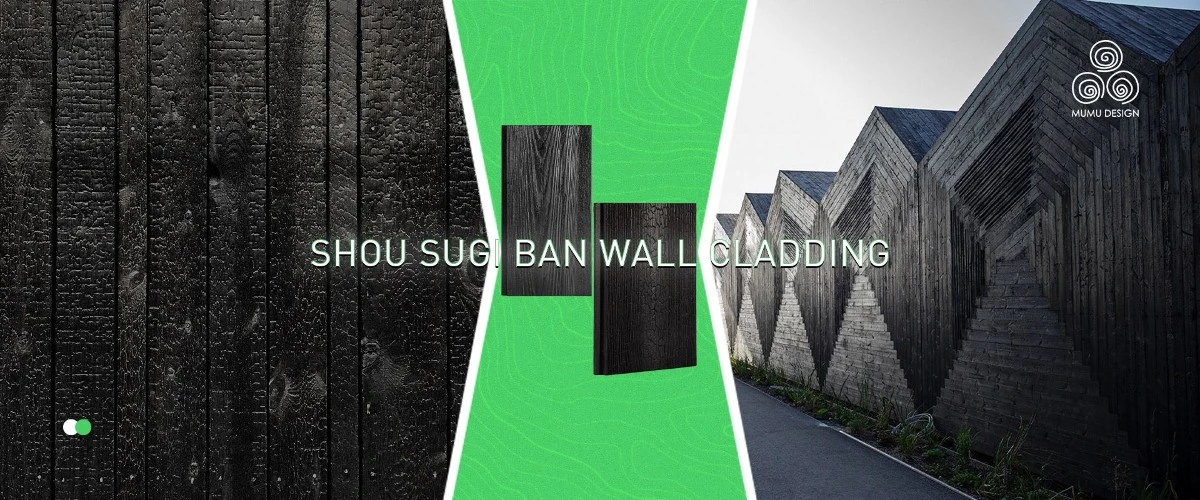
One of the most common applications is siding and cladding. The charred surface not only enhances visual impact but also provides a protective layer well-suited to outdoor exposure. High-end residences, mountain retreats, and urban commercial buildings increasingly feature Shou Sugi Ban façades, where the contrast between the dark, textured wood and surrounding natural or architectural elements creates a bold statement.
Notable examples include the "Forest Stage" project in Jilin, China, where Shou Sugi Ban siding complements the surrounding woodland, and the Orcas House in the United States, which uses charred wood cladding to merge modern design with a rugged natural environment. These projects highlight how Shou Sugi Ban can adapt to vastly different climates while delivering consistent performance.
Interior Spaces
Inside, Shou Sugi Ban brings depth and texture that few other materials can achieve. Wall panels crafted with this technique evoke a natural yet refined aesthetic, perfectly suited to modern interiors that seek warmth without sacrificing sophistication.
When combined with 3D wood wall panels and custom millwork, the results can be extraordinary. Designers often use these panels in feature walls, hotel lobbies, or upscale retail environments where tactile richness is as important as visual appeal.
Furniture and Decorative Arts
Beyond architecture, Shou Sugi Ban has inspired furniture makers and artists. The charred surfaces lend themselves to dramatic coffee tables, dining tables, benches, and fireplace mantles. A notable example in the art world is Maarten Baas's "Smoke" series, which uses fire as a design tool, transforming ordinary furniture into sculptural objects with unique character.
Other Applications
The durability of Shou Sugi Ban makes it equally suitable for flooring, fencing, and decking. In these applications, the carbonized layer protects against moisture and wear, while periodic oil treatments extend longevity. Outdoor decks crafted with Shou Sugi Ban not only resist decay but also acquire a rich patina over time, blending beautifully with gardens and landscapes.
Choosing the Right Wood for Shou Sugi Ban
Not all wood species respond to the charring process in the same way. The choice of timber determines not only the aesthetic outcome but also the durability and cost-effectiveness of the final product.
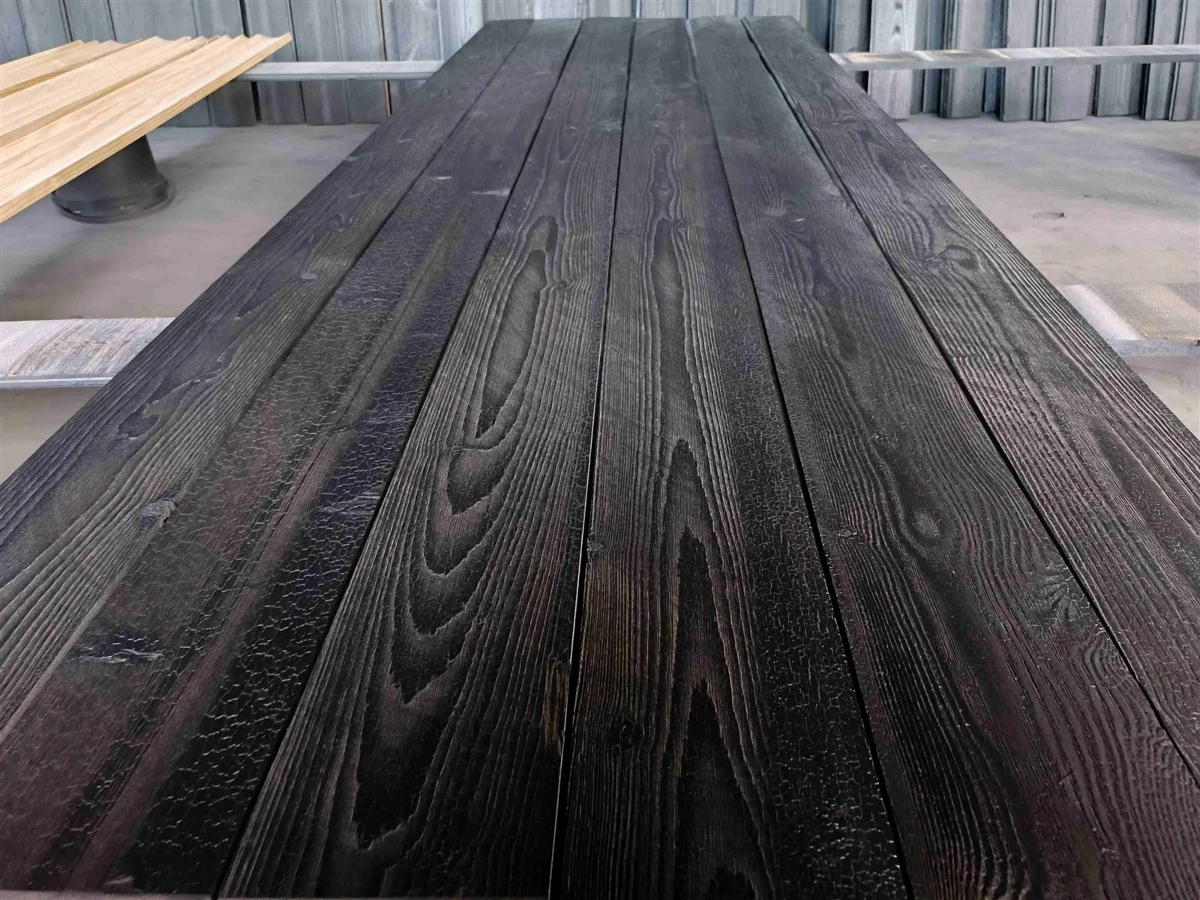
Common Wood Species
- Cedar – Traditionally the preferred choice in Japan, cedar offers excellent durability and a straight grain that chars evenly. It remains the benchmark for exterior siding applications.
- Pine – A more affordable option with distinct grain variations. When charred, pine produces striking patterns, making it popular for interior panels and furniture.
- Plywood – A modern, economical substitute, especially useful for wall panels in interior design. Though less durable outdoors, it provides design flexibility at lower cost.
- Accoya® (Modified Wood) – A high-end engineered timber with exceptional dimensional stability and longevity. When charred, Accoya combines the aesthetics of Shou Sugi Ban with unmatched resistance to moisture and insects, making it ideal for luxury projects.
MuMu Design's Wood Portfolio
At MuMu Design, we source and process a carefully curated selection of species to meet the diverse needs of international clients. Our material library includes European red pine, larch, and Mongolian Scotch pine, all of which respond beautifully to the Shou Sugi Ban process. Each project is guided by intended application, budget, and desired aesthetic, ensuring that the wood selection aligns perfectly with design goals.
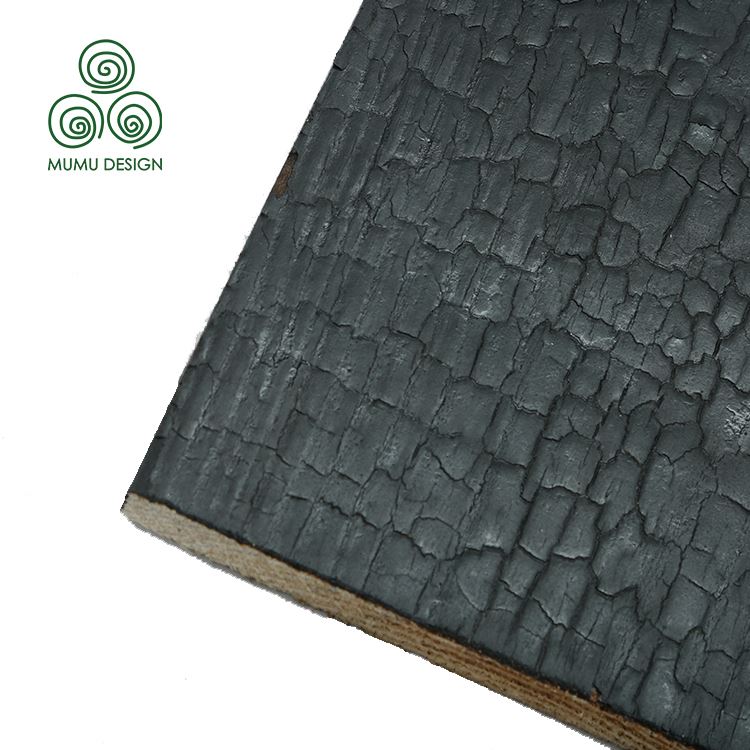
Surface Treatments and Finishes
The surface finish of Shou Sugi Ban is not just an aesthetic choice-it directly influences the durability and maintenance cycle of the wood.
Basic Process
Regardless of species, the foundational steps remain: burn → brush → clean → oil. Brushing intensity determines whether the grain appears smooth or heavily textured, while cleaning removes ash and loose particles that might compromise adhesion of oils or finishes.
Oil Treatments
Natural oils play a crucial role in preserving the charred surface. Options include linseed oil, tung oil, and mineral oils, each imparting subtle differences in sheen and tone. These oils penetrate the carbonized surface, enriching the color while offering additional resistance to moisture and UV exposure.
Finish Variations
Clients can select from a range of appearances: a gloss finish for bold, modern applications; a matte or satin sheen for understated elegance; or a natural texture that celebrates the rugged authenticity of the burned surface.
Lifespan and Maintenance
With proper treatment, Shou Sugi Ban siding can last 20–50 years in exterior applications, depending on exposure. Indoors, where the wood is shielded from harsh weather, its lifespan can extend to over a century. Periodic reapplication of oil is recommended to maintain both the protective qualities and the rich color of the surface.
Price and Cost of Shou Sugi Ban
The cost of Shou Sugi Ban is influenced by several key factors, including the type of wood, the complexity of the charring process, and labor requirements. High-density or engineered woods typically command a premium price due to their enhanced durability, while deeper, more intricate surface treatments also add to production expenses.
On the international market, prices generally range from $5–10 per square foot, though high-end applications can exceed this depending on customization and finishing.
From a cost-performance perspective, there is a clear distinction between product tiers:
- Luxury Segment – Accoya Shou Sugi Ban represents the pinnacle of performance, offering unmatched stability, weather resistance, and longevity. This option is well-suited for flagship projects or designs where durability is paramount.
- Mainstream Options – Pine or plywood-based Shou Sugi Ban provides a more economical alternative, making the aesthetic and functional benefits of charred wood accessible to a wider audience.
At MuMu Design, our Shou Sugi Ban cladding and siding solutions are engineered to last 20–30 years, using eco-friendly methods free from harmful chemicals. The result is a product with low maintenance costs and high value over its lifecycle.
How to Choose Shou Sugi Ban
Selecting the right Shou Sugi Ban requires careful consideration of application, budget, and design style.
Based on Application
- Exterior Walls and Façades – Cedar, larch, and Accoya are optimal for their superior weather resistance.
- Interior Panels and Furniture – Pine and plywood offer distinctive grain effects at a more accessible cost, while still maintaining structural reliability indoors.
Based on Budget
- Premium Projects – Accoya Shou Sugi Ban delivers exceptional long-term performance.
- Cost-Conscious Projects – Pine-based Shou Sugi Ban provides excellent aesthetics at lower cost.
Based on Style
- Modern Dark Aesthetic – Full carbonization creates a deep black tone with bold visual impact.
- Natural, Subtle Look – Light charring paired with oil treatment highlights the wood's grain and warmth.
Choosing a Reliable Manufacturer
For architects, distributors, and project owners, working with an experienced manufacturer is crucial. MuMu Design, with over 20 years of expertise, offers a diverse material library, 3D wood wall panels, and custom whole-house wood furniture solutions, ensuring that each project achieves both aesthetic and functional goals.
Maintenance of Shou Sugi Ban
While Shou Sugi Ban is inherently durable, proper maintenance ensures longevity and preserves its beauty.
- Regular Inspection – Periodically check for cracks, chips, or surface damage, especially in high-exposure outdoor applications. Early repair prevents structural issues.
- Surface Care – Apply natural oils or hardwax oils at intervals to restore sheen and reinforce protection. The frequency depends on exposure, but exterior cladding typically requires re-oiling every 3–5 years.
- Extending Lifespan – With appropriate care, Shou Sugi Ban siding can endure for decades, and interior applications may last for generations.
Thanks to MuMu Design's deep carbonization and natural oil finishing, our products require significantly lower maintenance compared to chemically treated alternatives, reducing both cost and effort over time.
Conclusion
Shou Sugi Ban embodies a unique balance between artistry and practicality. From its origins in Japan to its widespread adoption in modern architecture, this wood treatment method offers not only protection against the elements but also an unmistakable aesthetic that resonates with contemporary design values.
Its benefits-durability, sustainability, and timeless beauty-make Shou Sugi Ban a material of choice for architects and designers seeking both performance and elegance. As demand for eco-friendly and visually striking building materials grows, Shou Sugi Ban continues to stand out as a solution aligned with modern sustainability trends.
If you're looking for a reliable Shou Sugi Ban manufacturer, MuMu Design offers the perfect custom solution. Contact us now for a quote on our exterior Shou Sugi Ban solutions.