

When it comes to making a high-quality puzzle, the choice of material is crucial. Of the many options, wood is a popular choice among puzzle enthusiasts and manufacturers. In this article, we'll explore the best woods for making puzzles, focusing on wooden puzzle boards and their unique properties. We'll also discuss the benefits of using wood to make puzzles and how to choose the right wood for your needs.
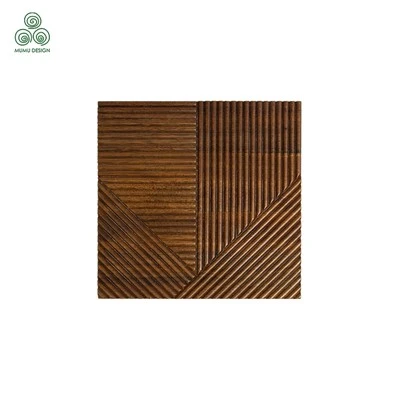
The appeal of wooden puzzles
Wooden puzzles are popular for their durability, beauty and tactile feel. Unlike traditional cardboard puzzles, wooden puzzles are stronger and more durable. The use of wooden puzzle panels allows for intricate designs and shapes, perfect for both children and adults. In addition, wooden puzzles can be customized, adding a unique touch to any collection.
Types of wood suitable for making puzzles
When choosing the best wood for puzzles, there are several types of wood that stand out because of their properties. Here are some of the most commonly used woods in the industry:
Birch: Birch is a popular choice for wood puzzle boards because of its fine grain and light color. It is strong and resists bending, making it a great choice for creating intricate designs. Birch puzzles are not only durable, but also have a smooth surface that enhances the overall aesthetic.
Maple: Known for its hardness and durability, maple is another great choice for wooden puzzles. Its dense structure allows for precise cuts, perfect for detailed puzzle designs. Maple also has a beautiful natural patina that adds to the visual appeal of your puzzle.
Plywood: Plywood is often used in the production of wooden puzzles because of its versatility and strength. It is made of multiple layers of wood veneer bonded together to provide stability and resistance to bending. Plywood puzzles can be made in a variety of thicknesses to suit different types of puzzles.
BAMBOO: Bamboo is an environmentally friendly material that is becoming increasingly popular in the puzzle industry. Lightweight yet strong, bamboo is a great alternative to wooden puzzle boards. Not only are bamboo puzzles sustainable, they also have a unique look that is very different from traditional wooden puzzles.
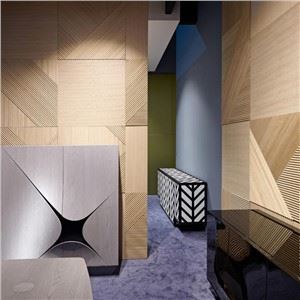
Benefits of using wood to make puzzles
There are several benefits to choosing wood for your puzzle. Here are some of the main advantages:
Durability: Wooden puzzles are built to last. Unlike cardboard puzzles that can be easily damaged, wooden puzzles can withstand wear and tear, making them a great investment for puzzle lovers.
Aesthetic Appeal: The natural beauty of wood adds a touch of elegance to any puzzle. Wood puzzle boards can be stained or painted, offering endless design possibilities.
Tactile Experience: Wood feels different to the touch than cardboard. Many puzzle enthusiasts appreciate the tactile experience that wood provides, making the assembly process more enjoyable.
Eco-Friendly: Many wooden puzzles are made from sustainable materials, making them an environmentally friendly choice. Choosing a wooden puzzle can promote a more sustainable lifestyle.
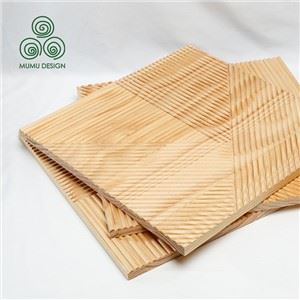
How to choose the right wood for your puzzle
When choosing the best wood for your puzzle, consider the following:
Purpose: Decide if the puzzle is for children, adults, or as a decorative piece. Depending on the intended use, different woods may be more suitable.
Design Complexity: If you are looking for an intricate design, choose a hardwood like birch or maple. These woods allow for precise cutting and detailed shaping.
Finish: Consider the finish of the wood. Some woods, like maple, have a natural sheen, while others may require staining or painting to achieve the desired look.
Sustainability: If you're concerned about environmental impact, look for puzzles made from sustainably sourced wood, such as bamboo.
in conclusion
In summary, the best wood for a puzzle depends largely on the intended use and personal preference. Birch, maple, plywood, and bamboo are all excellent choices for wood puzzle boards, and each material offers unique advantages. The durability, beauty, and tactile experience of wooden puzzles make them a favorite among puzzle enthusiasts. By considering the above factors, you can select the right wood for your next puzzle project, ensuring a satisfying and enjoyable experience. Whether you are making a custom wooden puzzle or purchasing one, the right wood choice will enhance the overall quality and enjoyment of your puzzle.