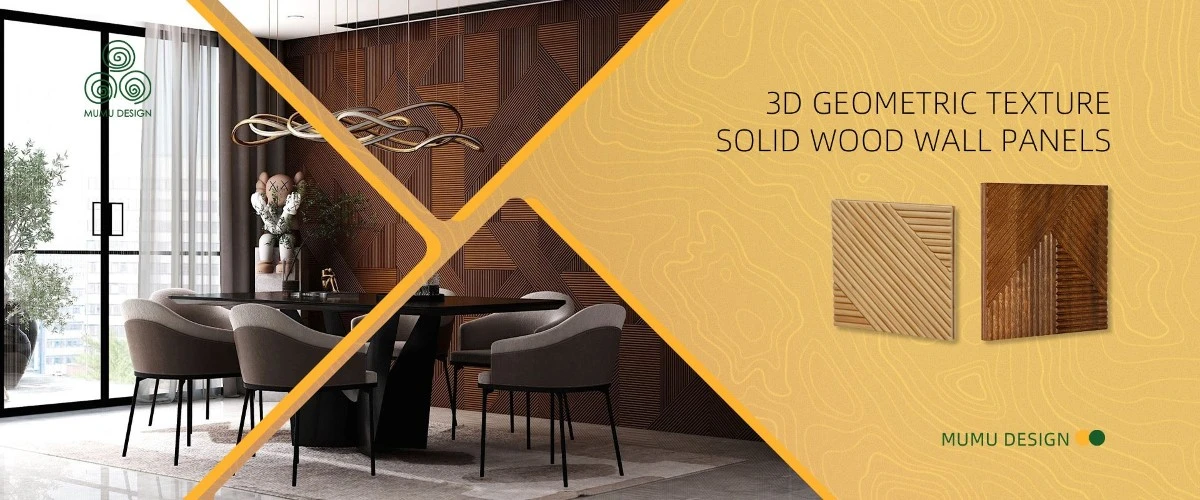
Walnut wood, with its rich tones and timeless elegance, has long been one of the preferred materials for high-end furniture. Whether you're designing a luxury villa, crafting a modern kitchen, or creating custom furniture, walnut's unique beauty and durability offer an unparalleled spatial experience.
As a wood furniture manufacturer with over 20 years of experience, MuMu Design deeply understands the distinctions between different materials. To help you better understand what walnut truly is, in this article, we will explore the essence of walnut-its defining characteristics, types, and applications. Read on to learn more.

What is Walnut?
Walnut, a premium hardwood from the Juglans genus, is widely recognized for its strength, visual appeal, and exceptional workability. It has long been a material of choice for artisans, architects, and designers who demand both performance and beauty in wood.
Among all walnut species, Black Walnut (Juglans nigra)-commonly known as American Black Walnut-is the most revered. Exclusively native to North America, Black Walnut has earned the title "King of the Hardwoods" due to its deep chocolate tones, rich grain patterns, and outstanding durability. Unlike general "walnut wood" products found in the global market, which may include various regional species of varying quality, Black Walnut possesses a unique combination of visual elegance and structural integrity.
Walnut's high value is not only attributed to its aesthetic depth but also to its long-standing legacy in fine furniture, paneling, flooring, and bespoke woodworking. This balance of form and function makes walnut wood a preferred choice in high-end residential, hospitality, and commercial projects worldwide.
Characteristics of Walnut Wood
Understanding walnut's characteristics is essential for evaluating its suitability for specific interior applications, especially for those seeking natural materials that combine performance with beauty.
Color and Tone
The heartwood of walnut ranges from light brown to deep chocolate brown, occasionally with purplish hues or dark mineral streaks. The sapwood is a creamy white, often treated with a steaming process to achieve a more uniform appearance. This tonal variation-especially in Black Walnut-offers a natural sophistication and warmth unmatched by synthetic materials.
Grain and Texture
Typically straight-grained, walnut can also present with wavy or curly grain patterns, giving it visual movement and a sense of depth. Its medium to fine texture finishes smoothly, enhancing its decorative value for wall panels, furniture, and carvings.
Hardness and Durability
With a Janka hardness of approximately 1010, and a density between 0.5 and 0.7 g/cm³, walnut is hard enough for lasting use, yet forgiving enough to be worked with ease. It offers good resistance to wear and shock, making it suitable for both functional and ornamental purposes.
Workability
Few hardwoods rival walnut's ease of machining. It cuts cleanly, sands evenly, and holds nails and screws without splitting. It absorbs stains and oils well, but often it's best left natural or finished with a clear sealer to showcase its organic richness. At MuMu Design, we enhance this by using eco-friendly wood wax oil finishes, ensuring both safety and visual appeal, especially in spaces like children's rooms where air quality matters.
Stability and Drying
Walnut dries slowly and must be kiln-dried with precision to avoid internal stress. However, once properly dried, it shows excellent dimensional stability and resistance to warping-making it ideal for 3D wall panels and custom wood interiors where long-term structural integrity is essential.
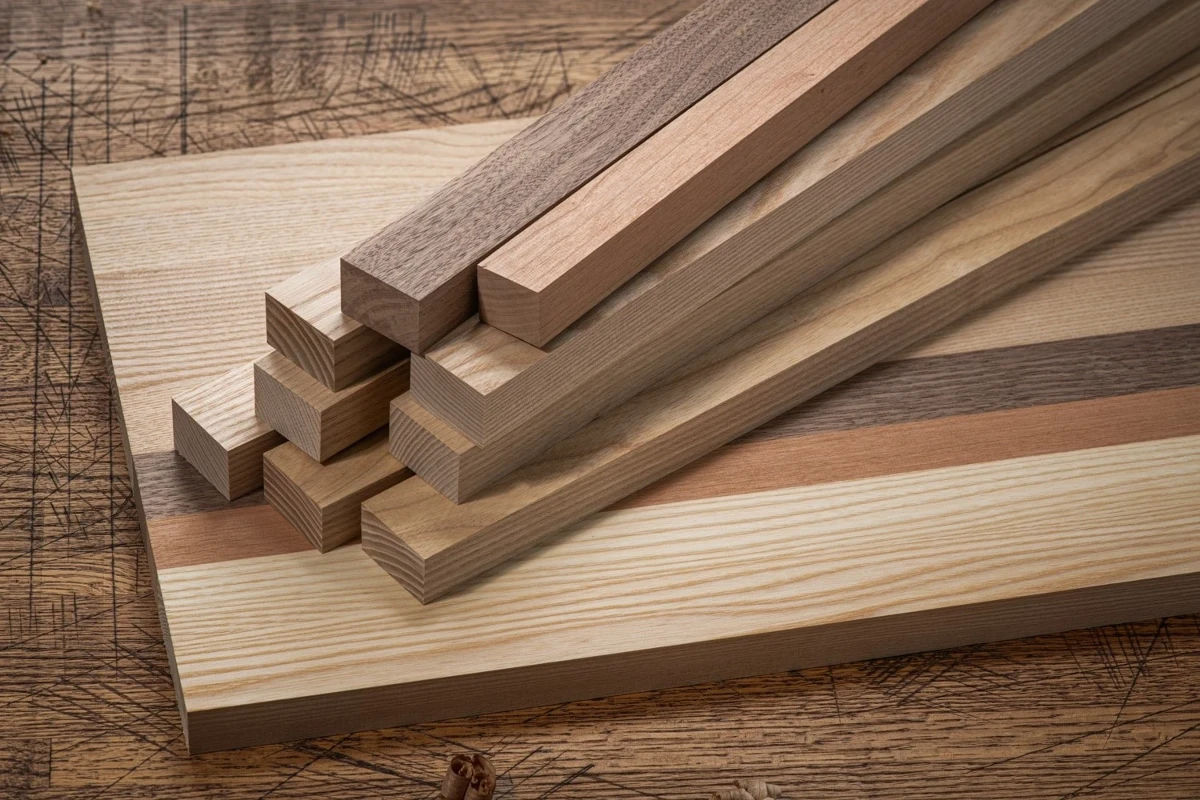
Types of Walnut Wood
Walnut exists in several variations across the world, each with distinct aesthetic and physical traits. While Black Walnut remains the benchmark, other regional types offer unique properties.
- Black Walnut (Juglans nigra): Native to North America, this variety is prized for its deep color, fine grain, and durability. Its tonal consistency and structural quality make it the gold standard in global woodworking.
- Golden Walnut: Typically sourced from Papua New Guinea, this species is often distinguished by shimmering golden streaks and a more exotic character.
- Red Walnut and Other Regional Types: These include species with redder hues and looser grain patterns, commonly found in Southeast Asia. While sometimes marketed as walnut, many of these are technically different species with inferior properties.
It's important to note that not all Black Walnut is created equal. Factors such as growth region, soil composition, and harvesting practices influence wood quality. At MuMu Design, we source top-grade walnut with consistent color, minimal defects, and rich grain clarity-ensuring premium results across all custom applications.
Applications of Walnut Wood
Walnut's versatility makes it a superior material across a wide range of interior and architectural uses. It excels in both structural and aesthetic roles, bringing natural warmth and refinement to any space.
Furniture and Cabinetry
From large dining tables to compact cabinetry, walnut's durability and visual elegance make it ideal for statement pieces that age gracefully. Its ability to hold joinery and hardware tightly ensures long-lasting function.
Kitchenware and Surfaces
Because of its natural antibacterial properties and moisture resistance, walnut is often used in cutting boards, knife blocks, and countertops. Its fine grain makes for safe, splinter-free handling-essential in high-contact surfaces.
Wall Paneling and Ceilings
In luxury residential and commercial environments, walnut wall panels offer a tactile and visual upgrade over painted drywall or wallpaper. At MuMu Design, we use CNC technology to sculpt deep-relief panels that emphasize walnut's organic character-creating dynamic surfaces with enduring appeal.
Carvings and Artisanal Work
Walnut's softness relative to other hardwoods allows for intricate carving, making it suitable for decorative items, trays, bowls, and chessboards.
Gun Stocks and Musical Instruments
Its high density, shock resistance, and tonal richness also make walnut a material of choice for gun stocks and string instruments, where precision and performance are critical.

Why Choose Walnut for Custom Projects
The case for choosing walnut extends beyond beauty. It's a wood that offers genuine long-term value, both environmentally and economically.
- Aesthetic Longevity: Walnut ages gracefully. While its rich color may mellow over time, its elegance remains timeless. Open-pore finishes like wood wax oil enhance its natural grain without compromising durability.
- Structural Integrity: Unlike engineered or synthetic materials, solid walnut maintains shape and strength over decades. It resists warping, splitting, and denting better than many other hardwoods.
- Health & Sustainability: Walnut is a low-emission, non-toxic material. MuMu Design exclusively uses finishes with formaldehyde emissions far below international standards, making it ideal for sensitive environments.
- Certified and Responsible Sourcing: We select walnut from FSC-certified forests, ensuring that our materials come from responsibly managed environments that prioritize regeneration and biodiversity.
- Superior Value Over Time: Though walnut is positioned at the premium end of the market, its durability, low maintenance needs, and timeless appeal make it more cost-effective than short-life alternatives like wallpaper or laminated panels.
FAQ
Is Black Walnut the same as regular walnut?
No. Black Walnut (Juglans nigra) is a North American species considered superior in color, grain, and strength compared to generic or Asian-sourced walnut varieties.
Will walnut wood warp or crack over time?
Properly kiln-dried walnut exhibits excellent dimensional stability. With professional installation and finishing, it resists warping and cracking even in humid conditions.
Can walnut be used in kitchens or children's rooms?
Yes. Walnut is naturally antibacterial and, when finished with MuMu's eco-safe wax oils, is completely non-toxic and odor-free. This makes it ideal for health-sensitive areas.
Is walnut expensive-and is it worth it?
Walnut is a premium wood, but its durability and elegance offer a higher return on investment than many cheaper materials that require replacement or frequent maintenance.
Does walnut suit modern design aesthetics?
Absolutely. Its subtle grain and deep tones pair beautifully with minimalist, Scandinavian, and Japandi interiors. Walnut complements metal, glass, and concrete just as well as traditional materials.
Conclusion
Walnut stands at the intersection of elegance, performance, and sustainability. Its rich tones, dependable strength, and natural charm make it an ideal material for discerning designers and homeowners who value authenticity and longevity in interior finishes.
At MuMu Design, we proudly incorporate premium walnut into our 3D wood wall panels, ceilings, and custom wood furniture. With over 20 years of industry experience, a global portfolio of 300+ bespoke projects, and certifications including CE, FSC, and ROHS, we offer tailored walnut solutions that elevate interior spaces-from concept to execution.
Ready to transform your space with walnut?
Contact MuMu Design to request a sample or consultation for your next custom project. ( Jerry@mumu-ing.com )