

Unveiling the True Effectiveness of Acoustic Panels in Different Environments
Noise pollution is one of the most pervasive issues in today's modern world. Whether it's the sound of traffic outside, noisy office environments, or even the hum of a home theater system, unwanted sound can dramatically affect our daily lives. For homeowners, office workers, and business owners alike, the search for an effective solution to mitigate these disturbances has led many to acoustic panels. But with so many options available, the real question remains: Do acoustic panels really work?
In this article, we will explore the benefits, functionality, and potential limitations of acoustic panels-the go-to product for improving sound quality and reducing noise across various environments. We'll also discuss where these panels are most effective, their cost-effectiveness, and how you can get the best results for your space.
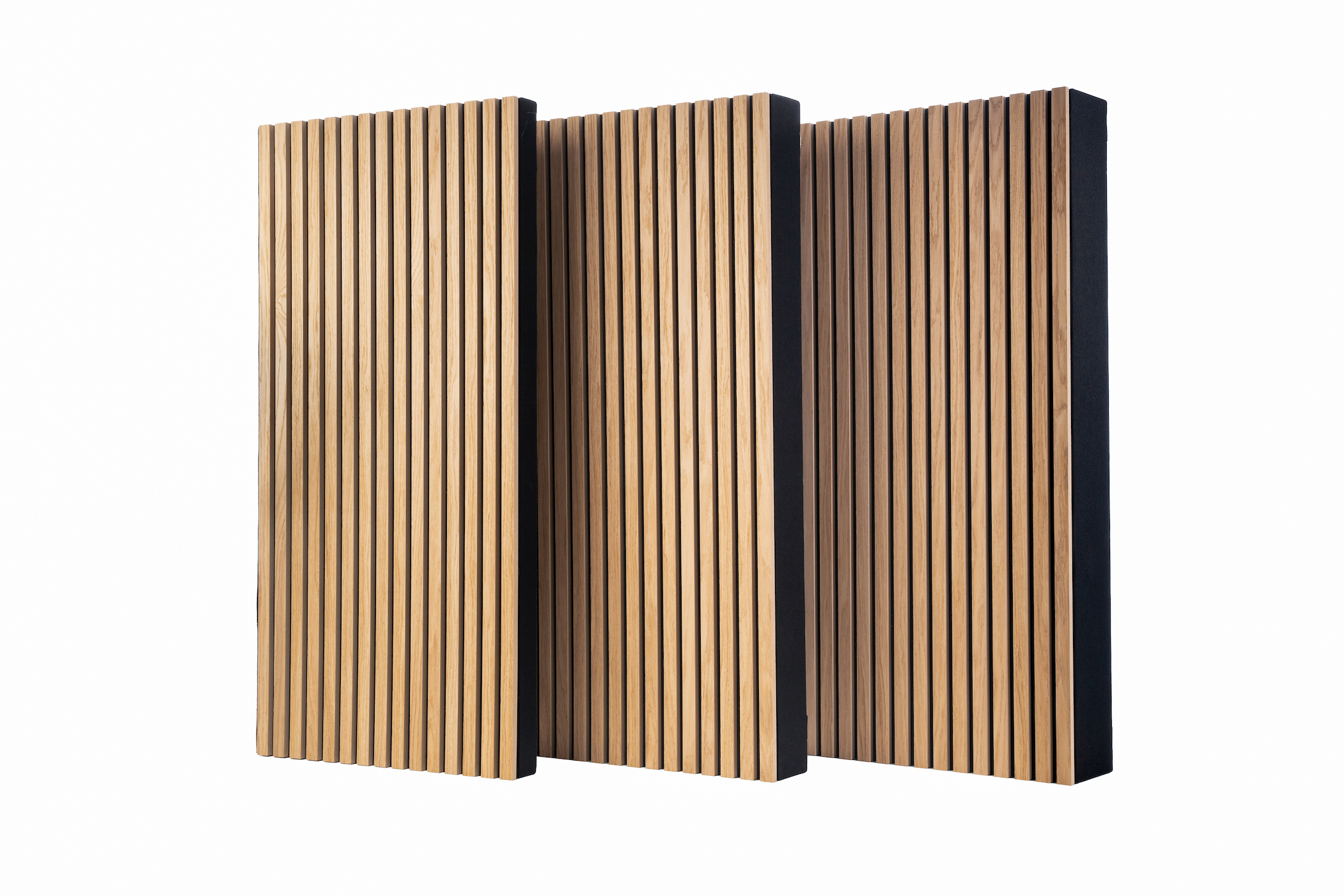
What Are Acoustic Panels?
Acoustic panels are specially designed materials used to reduce sound, control echoes, and improve overall room acoustics. They are typically constructed from sound-absorbing materials like foam, fiberglass, or polyester. These panels are installed on walls, ceilings, or floors to minimize sound reflections, deaden noise, and improve the overall quality of sound in a room.
Acoustic panels can be found in various forms, including acoustic foam panels, fabric-wrapped panels, wooden slat panels, and bass traps. Each type of panel serves a specific purpose in sound management, whether it's reducing reverb, controlling sound reflections, or addressing low-frequency noise.
The primary purpose of these panels is to absorb sound energy and prevent it from bouncing off hard surfaces, thus controlling the sound environment. But how exactly do they work, and why are they so effective in certain settings?
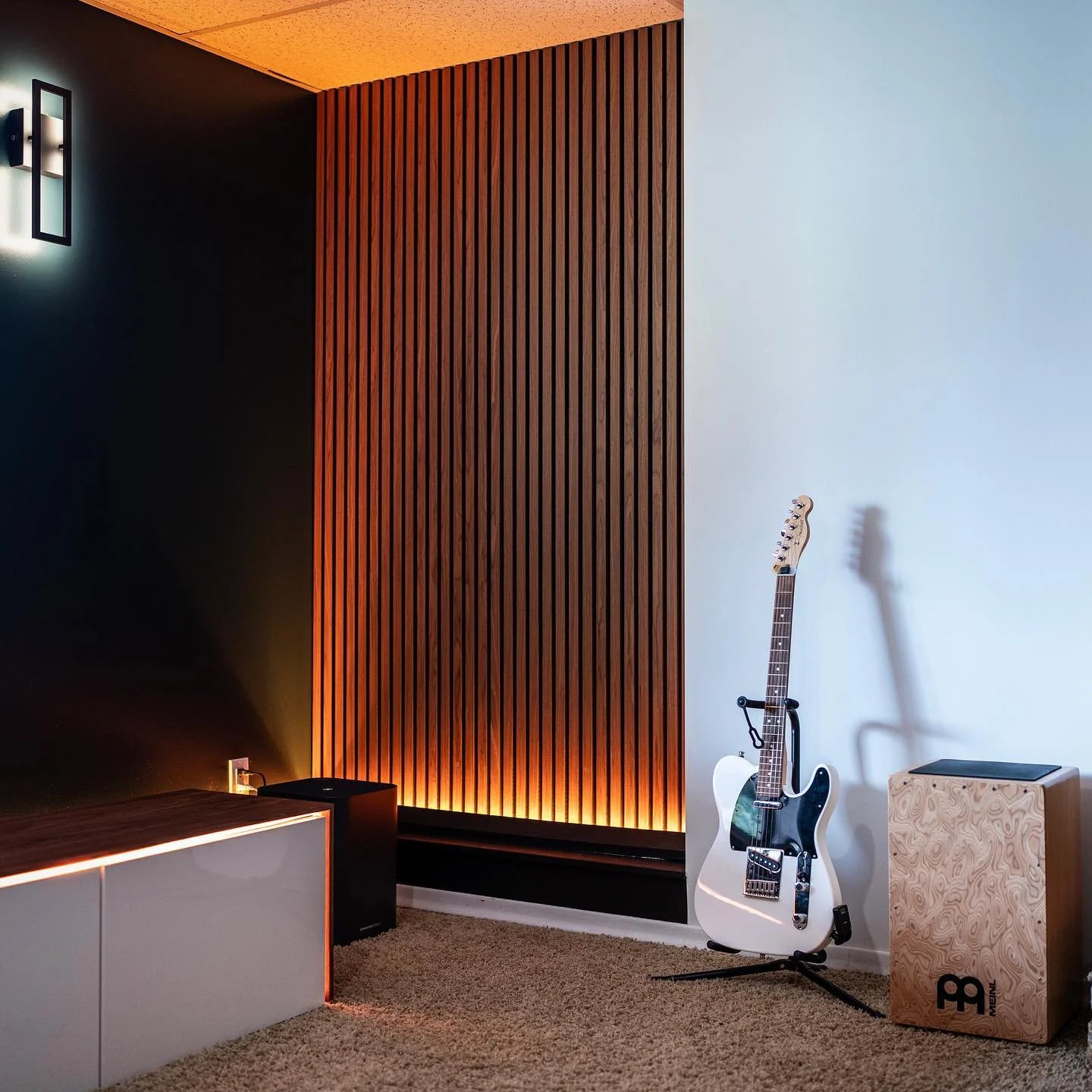
How Do Acoustic Panels Work?
At the core of an acoustic panel's function is sound absorption. When sound waves hit a surface, such as a wall, floor, or ceiling, they reflect back into the room, creating echoes and reverb. This can distort the clarity of sound and make spaces feel noisier than they actually are. Acoustic panels work by absorbing these sound waves, converting the energy into heat, and thereby preventing excessive reverberation.
The materials used in acoustic foam panels, fabric-wrapped panels, or other types of sound-absorbing panels are designed to have a porous structure that traps sound waves and reduces the reflection of sound. By controlling these reflections, acoustic panels help in creating a more balanced sound environment.
For example, in a music studio or home theater, controlling sound reflections and reducing reverb is crucial for achieving the best possible sound clarity. These panels are also extremely effective in conference rooms, offices, and other spaces where excessive noise can be distracting.
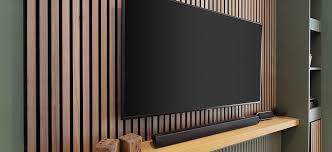
Types of Acoustic Panels
Not all acoustic panels are designed to achieve the same effect. There are several types of acoustic panels available, each suited to different environments and needs. Let's take a look at some of the most common options:
Acoustic Foam Panels:
These are among the most popular and widely used types of acoustic panels. They are designed to absorb sound across a wide frequency range. Acoustic foam panels are typically used in home theaters, music studios, podcasting setups, and other spaces where reducing noise and controlling reverb is crucial.
Fabric-Wrapped Acoustic Panels:
These panels are often chosen for their aesthetic appeal as well as their functionality. The fabric cover allows for a wider range of design options, making them ideal for offices, conference rooms, or restaurants. They provide both sound absorption and an element of style.
Wooden Slat Acoustic Panels:
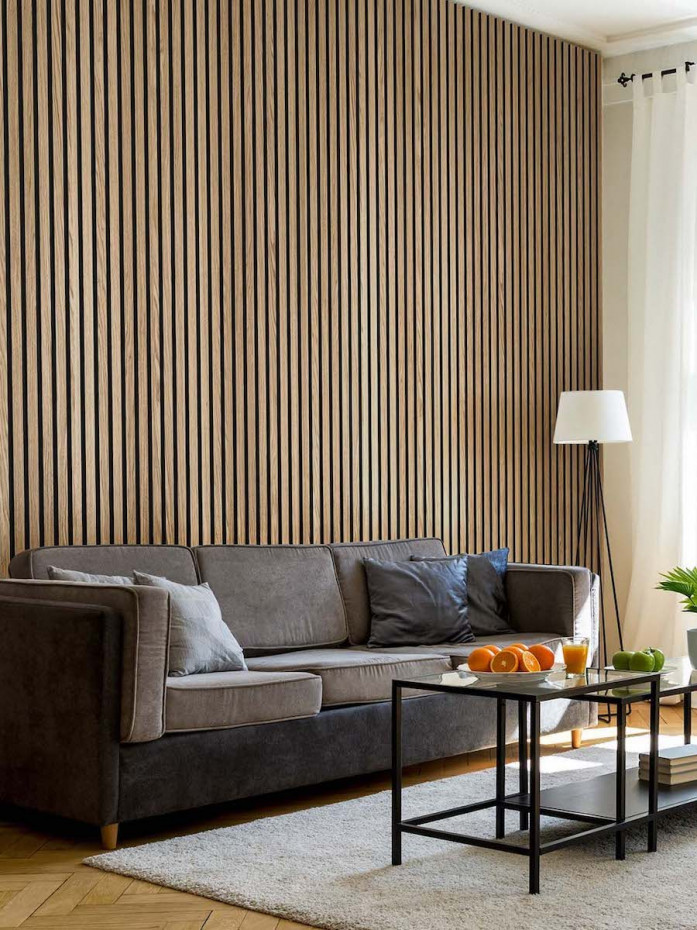
These panels combine functionality with elegance. Typically used in modern living rooms, high-end offices, or restaurants, wooden slat acoustic panels offer a sophisticated look while still effectively controlling sound. They can also act as decorative elements, making them an attractive choice for spaces that require both acoustical treatment and interior design flair.
Bass Traps:
These panels are specifically designed to target low-frequency sounds, commonly found in home theaters and music studios. Bass traps absorb sound at lower frequencies to reduce muddiness and distortion that often occur with bass-heavy audio.

The Benefits of Acoustic Panels
1. Enhanced Sound Quality
The primary benefit of acoustic panels is their ability to improve sound quality. In a room with excessive echo, sound can bounce off walls and cause distortions, making it difficult to hear or understand certain noises. By reducing reverb and controlling sound reflections, acoustic panels enhance the clarity and richness of sound.
In home theaters, for instance, acoustic panels ensure that dialogue is crisp and clear, while sound effects remain dynamic and immersive. The improved sound environment makes movies and shows more enjoyable, with less distortion and a more professional listening experience.
2. Noise Reduction
One of the most obvious advantages of acoustic panels is their ability to reduce noise. Whether you live in a noisy apartment, a bustling office, or near a busy street, soundproofing and noise control become essential to creating a more peaceful environment.
Acoustic panels can reduce the impact of external noise such as traffic, construction, or street noise. In office spaces, acoustic panels can reduce the distractions of ongoing conversations and ambient noise, creating a quieter and more focused work environment.
3. Cost-Effective Soundproofing Solution
Compared to other soundproofing methods-like installing double-glazed windows, adding thick insulation to walls, or soundproofing doors-acoustic panels provide a more affordable solution. They are easy to install, low-maintenance, and can often be purchased in bulk for large spaces. The cost-effectiveness of acoustic panels makes them accessible for a wide range of budgets.
4. Aesthetic Value
Today's acoustic panels are designed to complement any interior design style. Whether it's sleek fabric-wrapped panels for a minimalist office or wooden slat panels for a rustic living room, these panels serve a dual purpose: they not only improve acoustics but also add to the overall design of a room. In high-end offices, restaurants, or home living spaces, acoustic panels can enhance both form and function.
5. Improved Focus and Productivity
Acoustic panels are particularly beneficial in office spaces, conference rooms, or study areas where clear communication and focus are crucial. In noisy environments, it can be difficult to concentrate, which leads to decreased productivity and increased stress levels. By reducing background noise, acoustic panels allow individuals to concentrate better, participate in more effective meetings, and reduce distractions.
Do Acoustic Panels Really Work?
The effectiveness of acoustic panels depends on the specific application and how they are used. While they are highly effective in reducing echoes and sound reflections in small to medium-sized rooms, they may not completely block out external noise on their own. To achieve optimal results, acoustic panels often need to be used in combination with other soundproofing methods, such as soundproof windows or heavy curtains.
However, for most residential and office settings, acoustic panels are highly effective at improving sound clarity, reducing reverb, and minimizing unwanted background noise. In home theaters, recording studios, podcasting rooms, and offices, these panels can make a significant difference in sound quality and overall comfort.
Where Are Acoustic Panels Most Effective?
Acoustic panels can be used in a wide range of environments, from residential to commercial spaces. Some of the most common applications include:
Home Theaters: To reduce reverb and improve sound clarity.
Music Studios: To control sound reflections and improve recording quality.
Home Offices: To minimize distractions and improve focus.
Conference Rooms: To reduce noise and ensure clear communication.
Restaurants and Cafes: To create a more pleasant dining environment by controlling noise levels.
Conclusion
In conclusion, acoustic panels can be a highly effective and cost-efficient solution for controlling noise and improving sound quality in a variety of spaces. Whether you're looking to reduce echoes, enhance sound in a home theater, or create a quieter environment in your office, acoustic panels provide significant benefits. Though they may not completely eliminate all external noise, they are a crucial part of any soundproofing strategy. When combined with other soundproofing methods, they can create the ideal acoustic environment for any space.
By selecting the right type of acoustic panel for your needs and installing them correctly, you can significantly enhance the quality of your environment-whether it's at home, work, or a public space.

MUMU: One-stop wood work Factory in China
Take your business to the next level with MUMU. We provide innovative products and services that enhance efficiency, improve workflow, and support long-term growth, allowing you to stay competitive in an ever-evolving market.