

MUMU-ing has just unveiled an extensive guide on wood panel walls, shedding light on the increasing popularity of wooden panels in interior design. The guide emphasizes not only the aesthetic appeal but also the sustainability and flexibility of wood panels, positioning them as a top choice for homeowners and interior designers seeking stylish and eco-friendly solutions.
Wood paneling has been experiencing a resurgence in the interior design world, with its timeless charm and natural beauty. Whether used for a rustic feature wall, a sleek modern accent, or even as a statement ceiling, wood panels are an incredibly versatile material that can suit a variety of design styles. The new guide offers valuable insights on how wood panel walls can elevate any space, focusing on their functional benefits as well as their visual appeal.

Emphasizing the Versatility of Wood Panel Walls
The guide places significant emphasis on the versatility of wood panels. Unlike traditional wall treatments like paint or wallpaper, wood panels offer a broad range of design possibilities. From natural wood panel walls in living rooms to reclaimed wood accent walls in kitchens, the guide explores how these panels can be customized to match a wide variety of interior themes and requirements.
For example, the guide highlights how wooden wall panels can be used in smaller spaces to create warmth and texture. Whether it's pine wood panels for a minimalist aesthetic or oak wood panels for a more sophisticated vibe, wooden panel walls can be tailored to reflect the unique style of any room. Wood panel walling also works well in larger spaces, such as open-concept living areas or commercial settings, where it can add both character and dimension.
In addition to traditional walls, wood paneling can be applied in other areas. Wood panel accents are being increasingly used on ceilings, backsplashes, and even as room dividers. The guide provides practical suggestions for incorporating wood panels into various areas of a home, making them a must-have for contemporary and modern interiors.
Moreover, the guide stresses how wood paneling is suitable for both residential and commercial applications. Offices and retail spaces are incorporating wooden accents into their design to evoke warmth, elevate brand image, and create a welcoming environment. For instance, wood panel walling can serve as the perfect backdrop for art installations, product displays, or office signage.

Sustainability: A Key Factor in Choosing Wood Paneling
Sustainability plays a major role in the new guide, as more people turn to environmentally conscious building materials. Wood paneling stands out as an excellent choice in this regard. The guide delves into the different ways eco-friendly wood panels can be sourced, such as reclaimed wood or certified sustainable timber.
Recycled wood paneling for walls is particularly popular, as it reduces the need for new materials while repurposing existing wood. This not only helps reduce deforestation but also lowers the amount of wood waste sent to landfills. Additionally, wood panel walls naturally offer insulation properties, which can enhance energy efficiency in homes. As a renewable material, wood has a significantly lower carbon footprint compared to materials like steel or concrete, making it a great choice for environmentally-conscious consumers.
The demand for sustainable wood panels aligns with the broader movement toward sustainable building practices. Green wood paneling options are viewed as part of a larger initiative to create healthier, more eco-friendly living environments. The guide also provides useful tips on identifying wood panels that meet sustainability standards, including those certified by reputable organizations such as the Forest Stewardship Council (FSC).
Choosing the Right Wood Paneling for Your Home
The guide provides practical advice for selecting the right wood paneling for specific needs. When choosing wood panels, it's important to consider factors like wood type, grain, finish, and texture to ensure they complement the overall aesthetic of the space. For instance, shiplap wood paneling is often chosen for rustic and farmhouse-style interiors, while oak wood paneling is favored for its elegant and timeless look.
For those on a budget, the guide suggests opting for pine wood panels, which are more affordable yet still deliver an attractive, high-end aesthetic. Pine's light color and subtle grain make it an ideal option for brightening up a room with natural wood panel walls. The guide also explores how different finishes, such as matte or glossy varnishes, can alter the appearance of the wood, allowing homeowners to achieve their desired look.
Moreover, the guide explains how wood paneling installation can vary depending on the type of panel chosen. For DIY enthusiasts, some types of wood paneling are easier to install, such as tongue-and-groove planks or peel-and-stick panels, while others, like reclaimed wood or custom panels, may require professional help. The guide also includes tips on preparing the wall surface, cutting panels, and applying finishes to ensure a long-lasting and polished result.
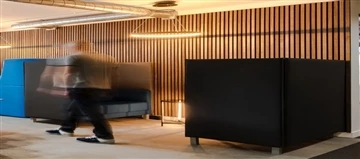
Enhancing Small Spaces with Wood Panel Walls
Wood panels are especially effective in smaller spaces, where they can add depth and texture without overwhelming the room. The guide offers advice on using wood panels for living room walls or wood panel accent walls to create a sense of dimension. For example, wooden wall panels in a small bedroom can make the space feel cozier, while wood panel wallpaper provides the same visual appeal with a simpler installation process.
A significant benefit of using wood panel walls in smaller areas is their ability to create a cohesive look throughout the home. The guide suggests using wood panels in hallway designs or for wood panel feature walls that flow seamlessly from one room to another, ensuring a unified design throughout the house. Whether it's modern wood panel wall design ideas or more traditional wood paneling for a rustic look, wood allows homeowners to maintain a consistent aesthetic while making each space feel unique.
The guide also highlights how wood paneling can be used creatively in unexpected spaces, such as bathrooms and closets. Wood's natural moisture resistance makes it suitable for bathroom wall paneling, while its aesthetic warmth can transform storage spaces into stylish areas.
Aesthetic Design Ideas for Wood Panel Walls
Beyond offering practical advice, the guide also presents inspiring examples of wood panel wall designs from real-life projects. These examples show how wood panels can be used in various settings, from intimate living rooms to modern offices.
For instance, one featured design incorporates reclaimed wood wall panels to create a striking feature wall in a contemporary living room, adding texture and character to the otherwise minimalist space. Another example showcases wood paneling for farmhouse-style kitchens, where the warmth of the wood enhances the rustic charm of the room.
The guide also provides design tips for incorporating wood panel accents in different areas, such as using wood panels for kitchen backsplashes or adding wood panel ceiling designs for extra visual appeal. The natural texture and beauty of wood make it a perfect material for enhancing any room, whether it's a small apartment or a large open-concept home.
Moreover, wood paneling allows for a wide range of finishing options, from distressed or weathered looks to sleek, contemporary finishes. The guide explores how different stains, paints, and treatments can help achieve various visual effects, catering to diverse tastes and preferences.
Why Wood Panel Walls Are Here to Stay
As sustainability continues to influence design choices, wood panel walls are likely to remain a popular choice for homeowners and interior designers. The guide concludes by reiterating the many benefits of wood paneling, from its versatility and aesthetic value to its eco-friendly qualities. With an endless array of design possibilities and sustainable options available, wood panel walls are poised to remain a key trend in modern interior design.
For those looking to explore wood paneling options, the guide provides helpful links to trusted suppliers and wood paneling installers, making the process of selecting and installing wood panels easier than ever. Whether you're interested in wood paneling for living rooms or reclaimed wood wall panels for a rustic touch, MUMU-ing's new guide offers all the information you need to make an informed decision.

One-stop Cosmetic factory in China
MUMU-ing is a comprehensive platform focused on offering homeowners and interior designers up-to-date information on wood paneling, sustainable materials, and innovative interior design. We serves as a complete resource for anyone interested in environmentally friendly material into their home or office. For more details and to access the full guide, click below