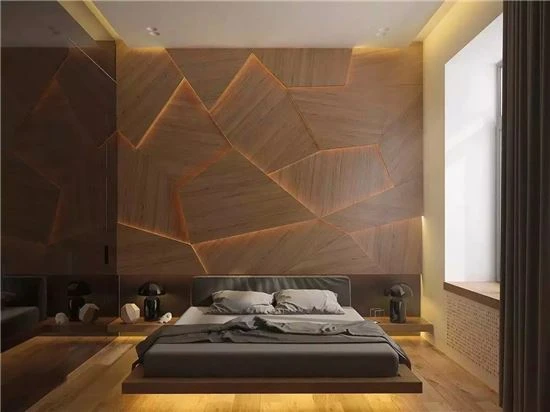
Slate is a hot spot in the ceramic industry, but for the furniture industry, this new material has not yet become the mainstream. Currently in the furniture industry, self-assembly and customization are the hopes for industry growth.
When there is demand, there will be a market. At present, in the field of civilian furniture, the most promising space for slate furniture to be popular is the kitchen and bathroom. Here, slate furniture can meet the needs of health, environmental protection, beauty, durability and fire prevention to the greatest extent. As for the application in the dining room, living room, and bedroom space, slate furniture is estimated to have a long market acceptance period.
The reason is that no matter how realistic the slate has textures like wood or leather, it always gives people a cold and hard feeling, and consumers need the kind of "temperature" that natural wood has for "home".
Therefore, even if the slate is superior to mainstream furniture materials such as wood in terms of environmental protection and physical properties, some consumers have an emotional demand for the "temperature" of furniture, and it is estimated that slate furniture is difficult to replace.
At this point, you can refer to the all-aluminum furniture that was popular before the rock slabs, but also because of its cold properties, it is difficult to apply on a large scale.
From a manufacturing point of view, when cutting and processing ceramic rock slabs, its geometric appearance is difficult to form a smooth and graceful curve, and users will feel inconvenient.
Slate furniture, as a brand-new material, may arouse higher expectations in the market and also induce new business opportunities within a certain range. But it takes time to truly form a threat to furniture made of traditional materials.