

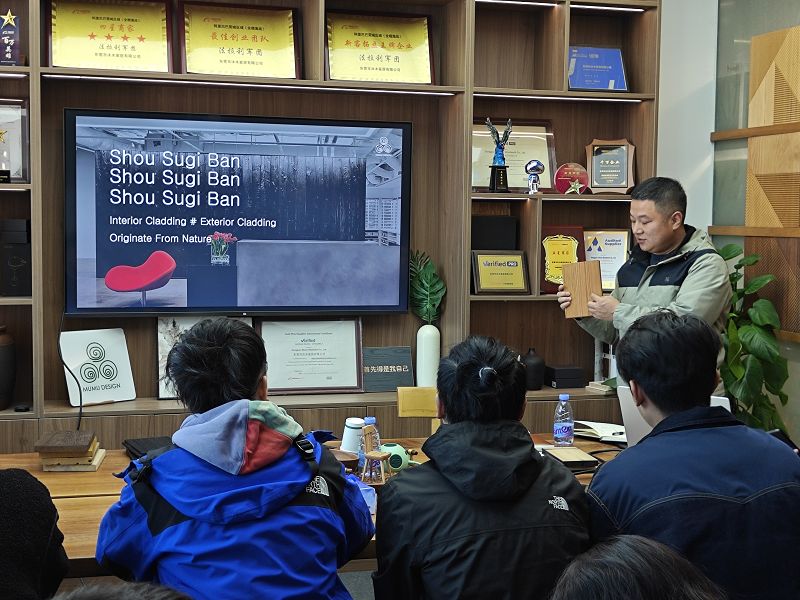
Our company recently conducted an in-depth training session focused on our next year's main product --- Shou Sugi Ban, equipping sales and technical teams with detailed knowledge to better serve clients. The session covered the product's comprehensive taxonomy, diverse applications, outstanding characteristics, intricate manufacturing process, installation guidelines, and current market preferences.
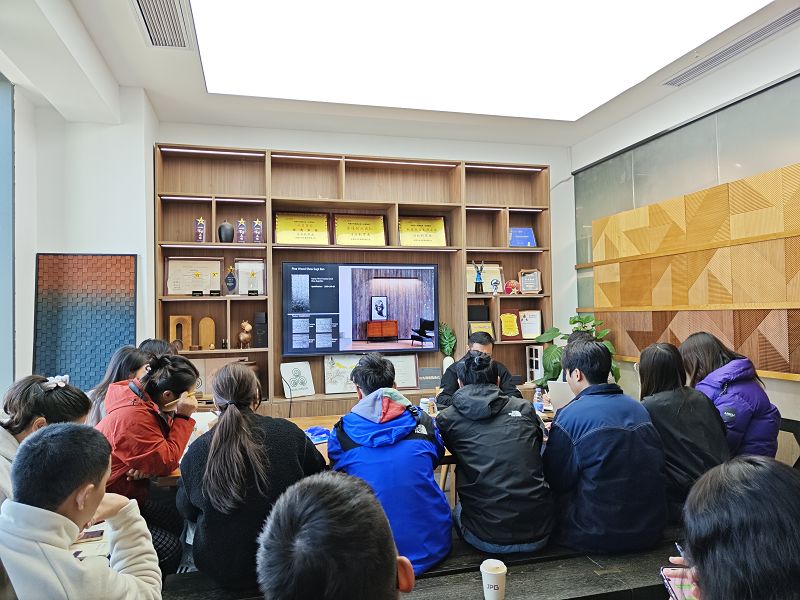
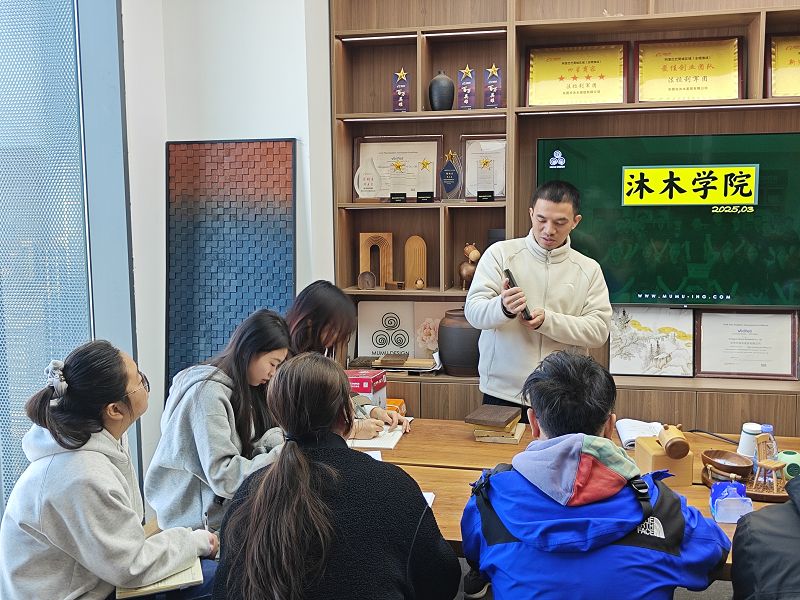
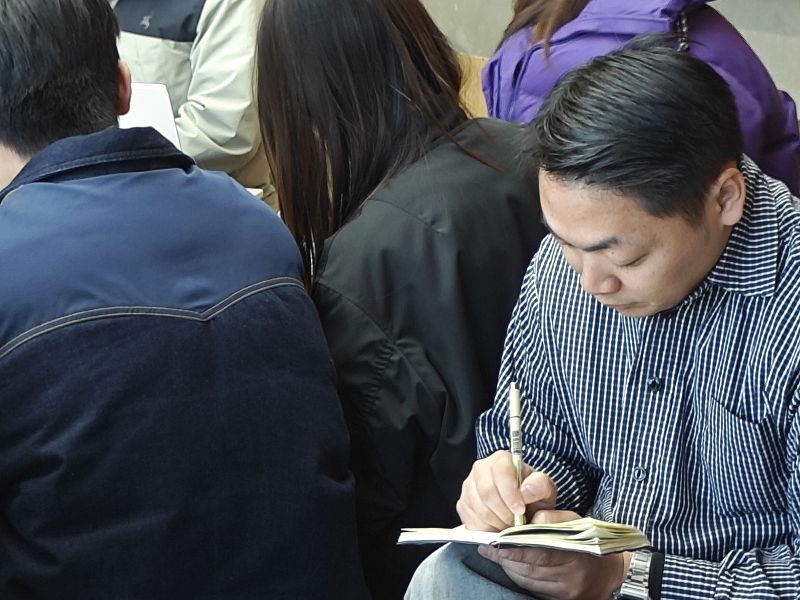
The training began with a detailed overview of the product range. We produce carbonized panels from various materials including Pine, Fir, Bamboo-wood composite, and Yellow cedar, suitable for both interior and exterior applications. The panels are available in different grades such as SF Grade, US Grade, and so on, and feature distinct textures like the popular brushed finish and the less common Embossed pattern. While the standard color is black, we will offer a spectrum of other color options. A common specification is 135mm in width, 20mm in thickness, and 4000mm in length.
The versatility of our charred wood was highlighted through its numerous applications. It is expertly used for wall cladding, flooring, beams, columns, and is a preferred material for outdoor tabletops. Its popularity stems from a unique set of advantages. Unlike chemically-treated woods, our product achieves exceptional stability and warp resistance through a physical carbonization process. It is amazingly decay-resistant, insect-repellent, and UV-resistant. Additional benefits include ease of installation, cost-effectiveness, and convenient transportation. With proper maintenance, including touching up exterior painting, the product boasts an impressive service life of 20 to 30 years.
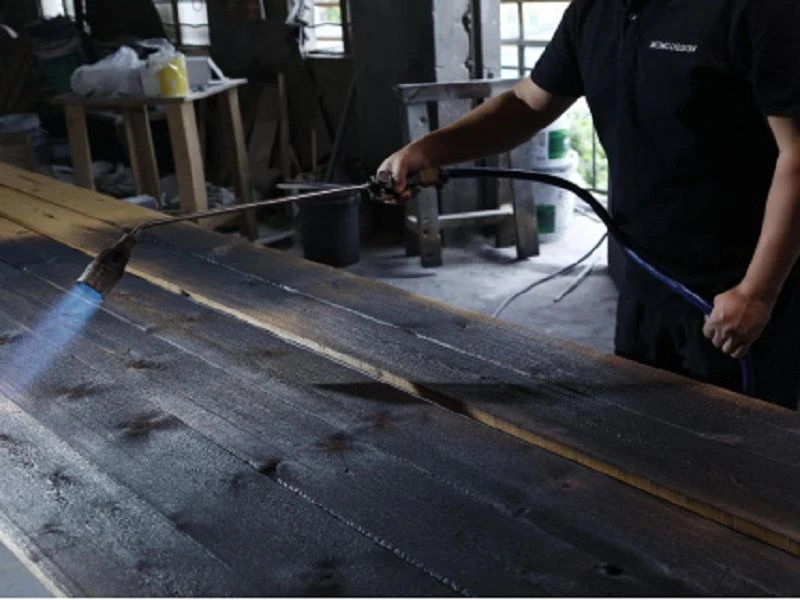
Participants gained valuable insight into the meticulous manufacturing journey. It starts with sourcing and kiln-drying raw lumber to a 25mm thickness. The core process involves carbonization, where boards are heated in a vacuum tank for 2-3 days. They are then precision-planed to a consistent 20mm thickness. The desired texture is imparted via high-pressure pressing before grooving. The defining characteristic is achieved through surface carbonizing with an open flame, followed by sanding. A protective coating is applied and cured, the surface is polished to a smooth finish, and finally, any necessary touch-ups are made before packaging.
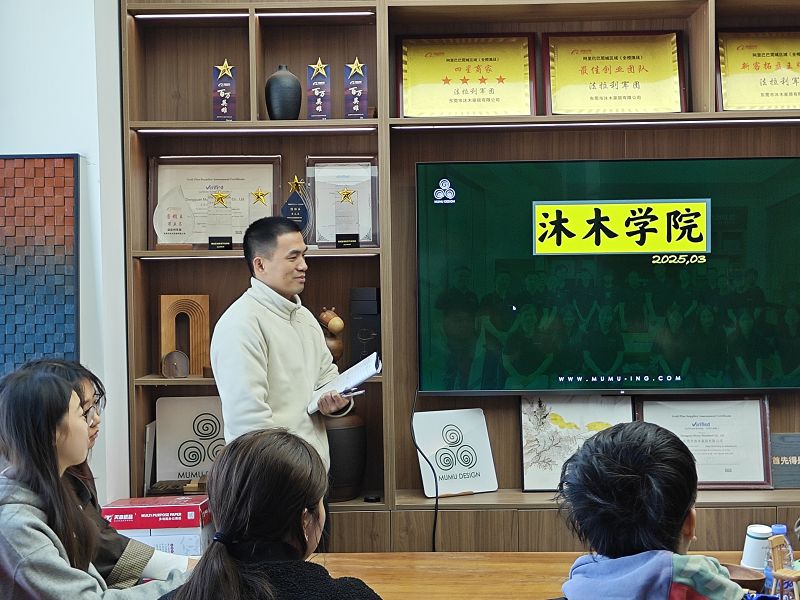
The training also provided clear installation protocols. For low-height installations, we recommend fixing a 5mm wood batten every 600-1000mm, to which the boards are attached using nails or screws. For high-height projects, a more robust framework of steel structure coupled with wood battens is advised, with a specific note to avoid iron screws prone to rusting.
Finally, the session addressed evolving client preferences, offering crucial guidance for customer consultations. Market analysis indicates a strong preference for the Brushed texture over the Embossed finish. Regarding color, while black is standard, there is a growing and distinct demand for customized color options.
This intensive training session successfully deepened our team's understanding of the carbonized panel ecosystem. From its material science and manufacturing artistry to its practical installation and market trends, the knowledge empowers our staff to provide authoritative advice. It underscores our commitment to offering a sustainable, durable, and aesthetically flexible building solution that stands apart from conventional treated lumber, ready to meet the sophisticated demands of modern architectural design.