

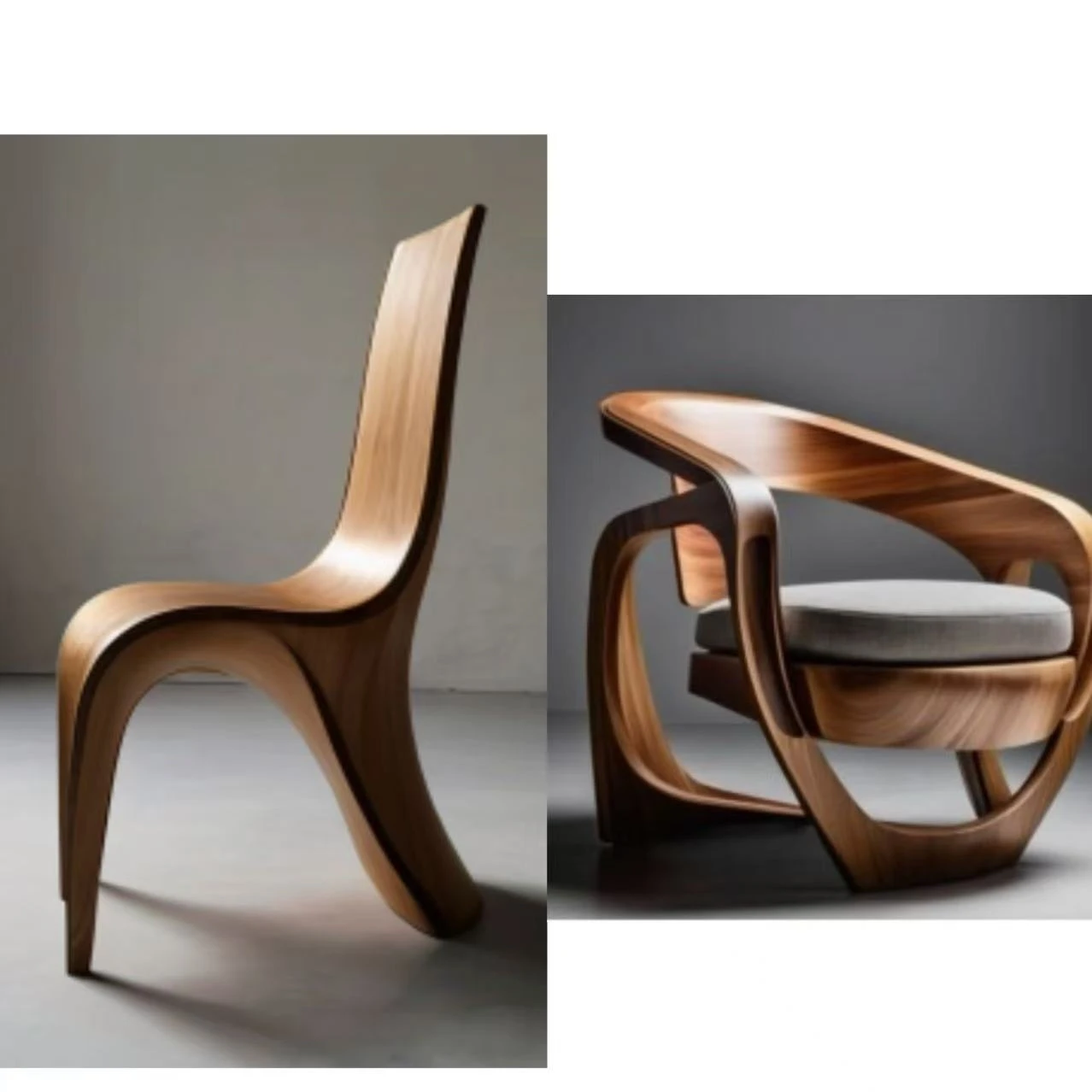
A client recently sent an AI-generated lounge chair image and asked if we could make it in solid wood. The AI render showed a creative furniture and walnut wood tone-deep and warm. We reviewed and confirmed it was feasible, so we took the job.
From receiving the AI image to final delivery, the process took about one month.
Here's how it start:
Client shared the AI concept → We assessed wood properties, joinery strength, curve feasibility. Engineers then manually redrew CAD/3D production files, adjusting thickness, joints, and arcs for solid white oak to ensure stability and no warping. Revisions went through 2–3 rounds for client approval.
A key step: The AI image used a walnut wood color, but the client chose white oak to better match the project's overall palette (walls, floors, etc.). We sent several white oak color samples for him to review (different shades and grains), and he selected his favorite. We then produced according to the approved drawings and confirmed color board: CNC precision cutting + hand sanding + oil finish. The final solid oak lounge chair had high fidelity, perfect color match, and the client loved it-"Almost identical, even more beautiful and real than the AI render." Now planning batch production for hotels or high-end spaces.
The Highlights and the "Not-So-Great" Parts:
Highlights:
Fast inspiration: One AI image sparks quick discussion-no long brainstorming.
Bold shapes: AI creates organic curves and parametric forms easily.
Flexible color matching: We provide real white oak/walnut wood samples for precise custom wood color matching to fit project needs.
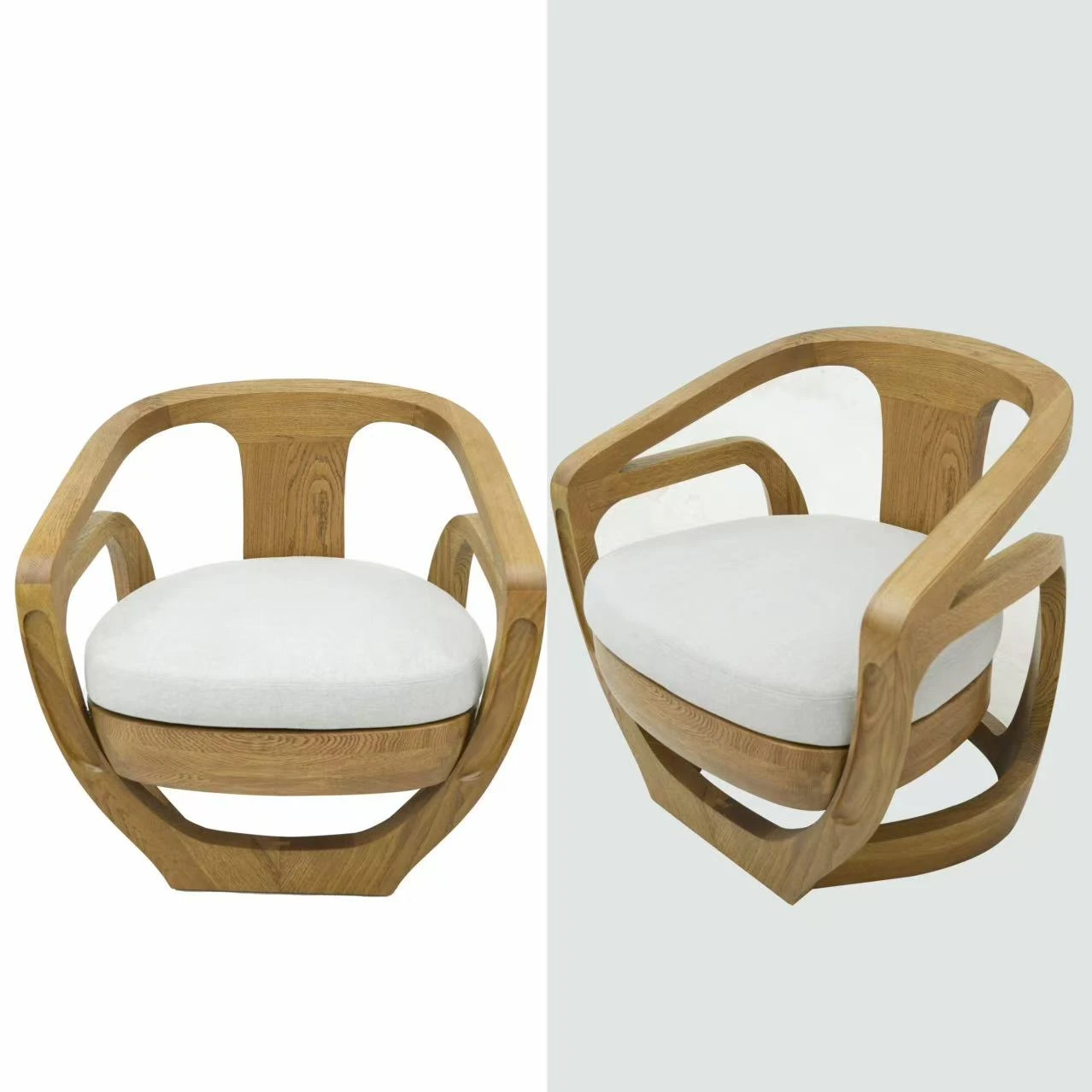
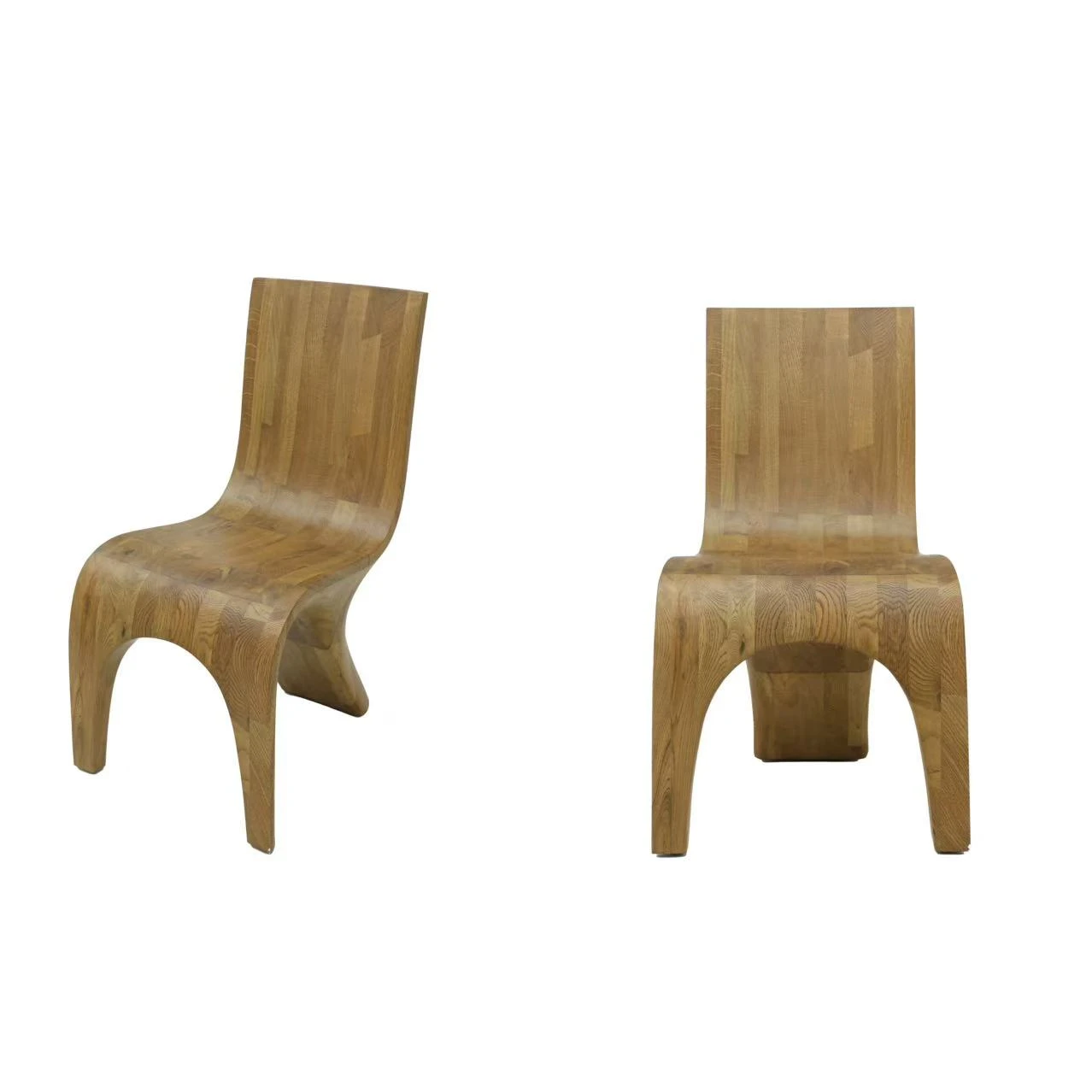
The "not-so-great" parts:
Structural issues are common: AI images often ignore gravity, load-bearing, and material stress. We've received AI designs with exaggerated leg curves that look stunning but the strucle could be impossible to build-not enough strenghts to support. We have to redesign supports, thicken parts, or modify shapes, adding significant work.
Color/material inaccuracy: AI guesses grain, lighting, and feel-like the walnut tone in this render looked great, but switching to white oak required real color samples to match the project's palette accurately.
Depth lacking: AI generated product well but misses true "sit comfort" or "wood warmth." Over-reliance can be pretty but hollow designs.
AI is a strong start, but real solid wood furniture needs expert oversight and physical confirmation. It opens ideas; we add structure, touch, and accurate color.
In 2026, AI in furniture design will grow, cutting prototyping by 50%+ for faster custom runs. The best path? AI + craftsmanship.
Got an AI furniture idea? Send the image! Free feasibility check, engineer drawings, white oak/walnut wood color samples, and quote.