As the Japanese government banned the import of some wood such as veneer produced in Russia, Japanese manufacturers of building materials and housing are struggling to cope. They either choose domestic materials as an alternative, or revise the construction standards within the company. But with the intensification of the lumber crisis and rising costs since last year, a "price pass-through" may be inevitable.
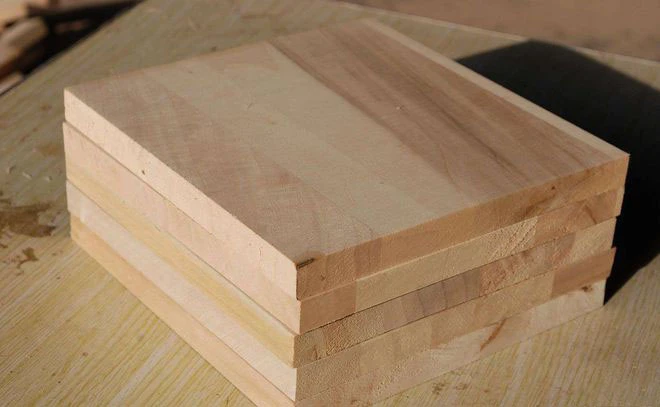
According to the report, veneer is wood that is cut into thin logs. According to the Japanese Forestry Agency, Russian production will account for 82% of the 294,000 cubic meters of imports in 2021. Most of them are hard larch. The plywood made of veneers is used as a building material for walls and roofs, especially Russian-made materials with high surface strength.
According to the report, the head of a plywood company in Japan said that the inventory of Russian-made veneer has been used up. It is reported that the company currently replaces it with domestic timber from Japan and imports from the United States and other places, but the price of domestic timber purchases is soaring. The company has been worried about losing customers after it raised its selling prices on and off last year.
The report also said that another exterior material company has revised the construction standards to allow only domestic fir veneers to be used as the plywood for laying the roof substrate. The strength is supplemented by, for example, shortening the interval between the wedges that act as supports. Residential builders struggling with plywood procurement are demanding changes to the standards.
The report pointed out that due to the rise in lumber prices, the corporate price index announced by the Bank of Japan has reached a high of about 60% higher than the same period of the previous year. Some Japanese companies said that "price pass-through may be implemented in the future".
In addition, the impact also spread to the Japanese furniture industry. Relevant industry sources worry, "This is not a problem that can be solved in one or two years. Only companies that can withstand this price level will not be eliminated."