The United States is Vietnam’s largest export market. In the first four months of this year, the trade volume between Vietnam and the United States reached US$3.03 billion, a year-on-year increase of more than 50%, followed by China and the European Union.
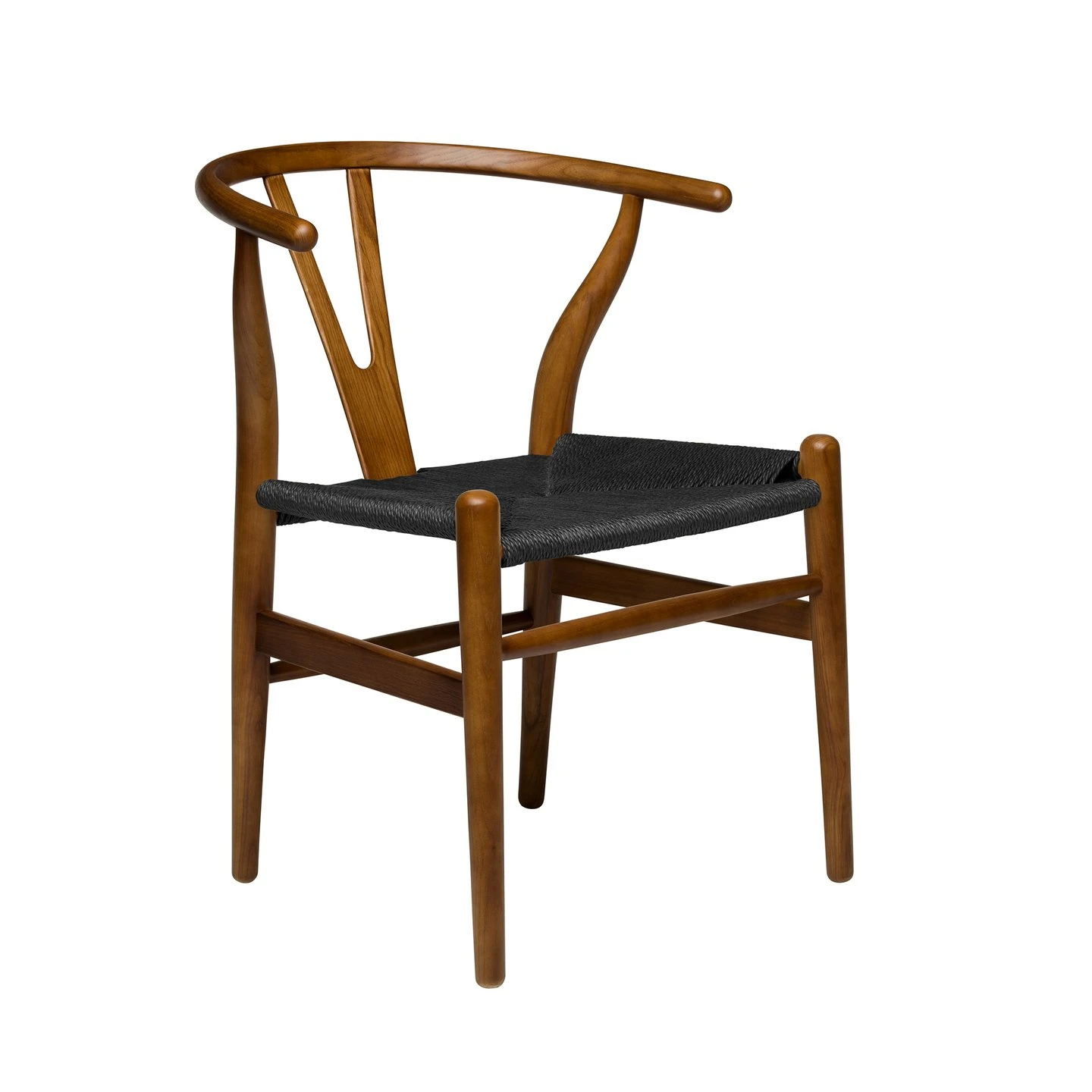
Furniture, lamps and prefabricated buildings are at the top of Vietnam’s export list. In 2020, this industry accounted for 4.4% of Vietnam's exports. The impact of the Trans-Pacific Partnership Comprehensive Progress Agreement (CPTPP) and EVFTA is expected to further promote Vietnam to become the second largest exporter of indoor furniture after China in the next seven years.
As the impact of the epidemic began to weaken in the first half of 2021, Vietnam's import trade with the United States increased by 76% during the same period in 2020, and its export value of furniture to the United States reached US$5.1 billion, surpassing China, which exported US$4.6 billion to the United States during the same period. , Became the main supplier of American furniture imports.
The fact that the export trade of furniture to the United States surpassed that of China was once known in foreign media as one of the most dramatic changes in modern furniture exports. However, it can still be seen from the data that the trade gap between the two countries is still very small, and it seems that it can become beneficial to China at any time as the situation changes.
In July, the epidemic broke out again in Vietnam on a large scale. The government introduced a series of control measures to prohibit workers from leaving their homes. The factory can only continue to operate next time if the workers live and eat locally. The pressure of vaccines and the pressure of operation make the factory. Difficulty in operation, struggling to support.
In October, Vietnam ended its long blockade. In the past four months, in order to curb the epidemic, more and more stringent control measures have been introduced, which has caused considerable losses to the country's economy and partners. During the epidemic, cancellation of orders and product delays became the norm for American companies with suppliers in Vietnam.
Even after the restrictions are lifted, manufacturers are still worried that the hidden dangers brought about by more and more restrictions will have a greater impact on business development.
Port operations are slow
The country's ports have always been an important route for import and export trade, and at the same time, they are also the most serious import channel for the epidemic. Vietnam is no exception. The epidemic has hit Vietnam’s ports, resulting in an increase in the length of stay of Vietnamese containers since August. As of the beginning of October, the average delay time when the blockade was lifted was more than one week.
Port delays have a lot to do with the 50% drop in available labor at Vietnamese ports, and serious delays in shipments have led to a serious decline in the share of exports at this stage. Even now, with the spread of the global supply chain crisis, the delays in Vietnamese ports have not been unexpectedly continued, and there is no sign of improvement.
The port delay has not only affected the production and export business, but also the import activities of local raw materials in Vietnam. Vietnam is one of the important suppliers in the global industrial chain. The production suspension caused by the epidemic has continuously affected the furniture industry. Upstream and downstream, especially in recent years, U.S. timber exports to Vietnam have increased year by year in order to sell raw materials through cheap labor and then import finished goods. The delay at the port left the local furniture factory in Vietnam without raw materials and no spare parts to use.
The problem of raw materials has become one of the important factors affecting the current production and operation results of enterprises.
Labor shortage
Although the factory in Vietnam has been unblocked and reopened for production since the beginning of October, it still takes time before production capacity is fully restored.
In the past few months, strict blockade measures have caused heavy losses to the country’s workers and labor force. Nearly 60% of workers reported that their income fell due to intermittent co-working, 62% of respondents had lost their source of income, and 77% of workers expressed negative feelings about their work.
Within a few days after the announcement of the release, thousands of workers left Ho Chi Minh City, and as soon as the workers left, factories lacking labor caused more turnover. Now, the Vietnamese government is scrambling to attract workers to return to work through text messages, and recruiters are also frequently planning to provide benefits to new employees.
At present, the shortage of raw materials and labor issues are the two most important factors affecting the production and operation of Vietnamese enterprises. Once these two problems are resolved, the Vietnamese wood products and furniture industries will still be able to maintain a rapid growth rate. A survey shows that 83% of the interviewed companies have stated that they have formulated a recovery plan and will change their business strategies to ensure safe production and expand the scale of processing.
Looking at Vietnam’s wood products in terms of data, the furniture industry has indeed maintained a growth momentum after being hit by the epidemic. Vietnam’s wood and forest products exports reached 10.76 billion US dollars in the first nine months of 2021, a year-on-year increase of 30.5%. If the core issues can be resolved in the last two months, coupled with the advantages of the Free Trade Agreement (FTA) and the enthusiasm of enterprises to increase production capacity by 20-30% in the remaining months of this year, Vietnam is likely to achieve the goal of US$14.5 billion in exports. .