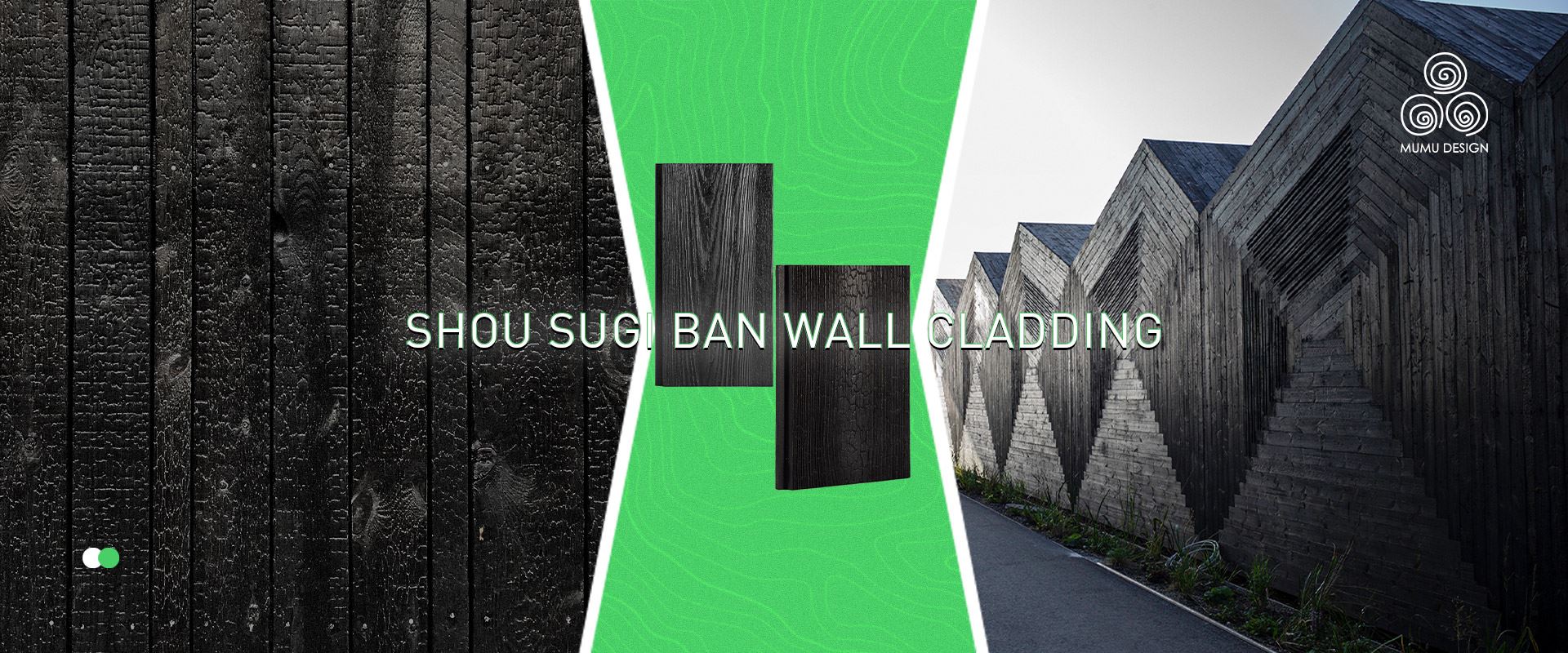
Shou-Sugi-Ban, a traditional Japanese wood treatment technique, has recently sparked a natural aesthetic trend in the global design community. This method, which rejuvenates wood through a fiery "baptism", not only endows the material with unique surface patterns but also significantly enhances its durability and environmental resistance. However, many who are new to this technique often wonder: Is all wood suitable for Shou-Sugi-Ban treatment? This article delves into the principles of the Shou-Sugi-Ban process and the types of wood that are suitable, providing you with a comprehensive understanding of this ancient yet modern wood treatment technology.
What Is Shou Sugi Ban?
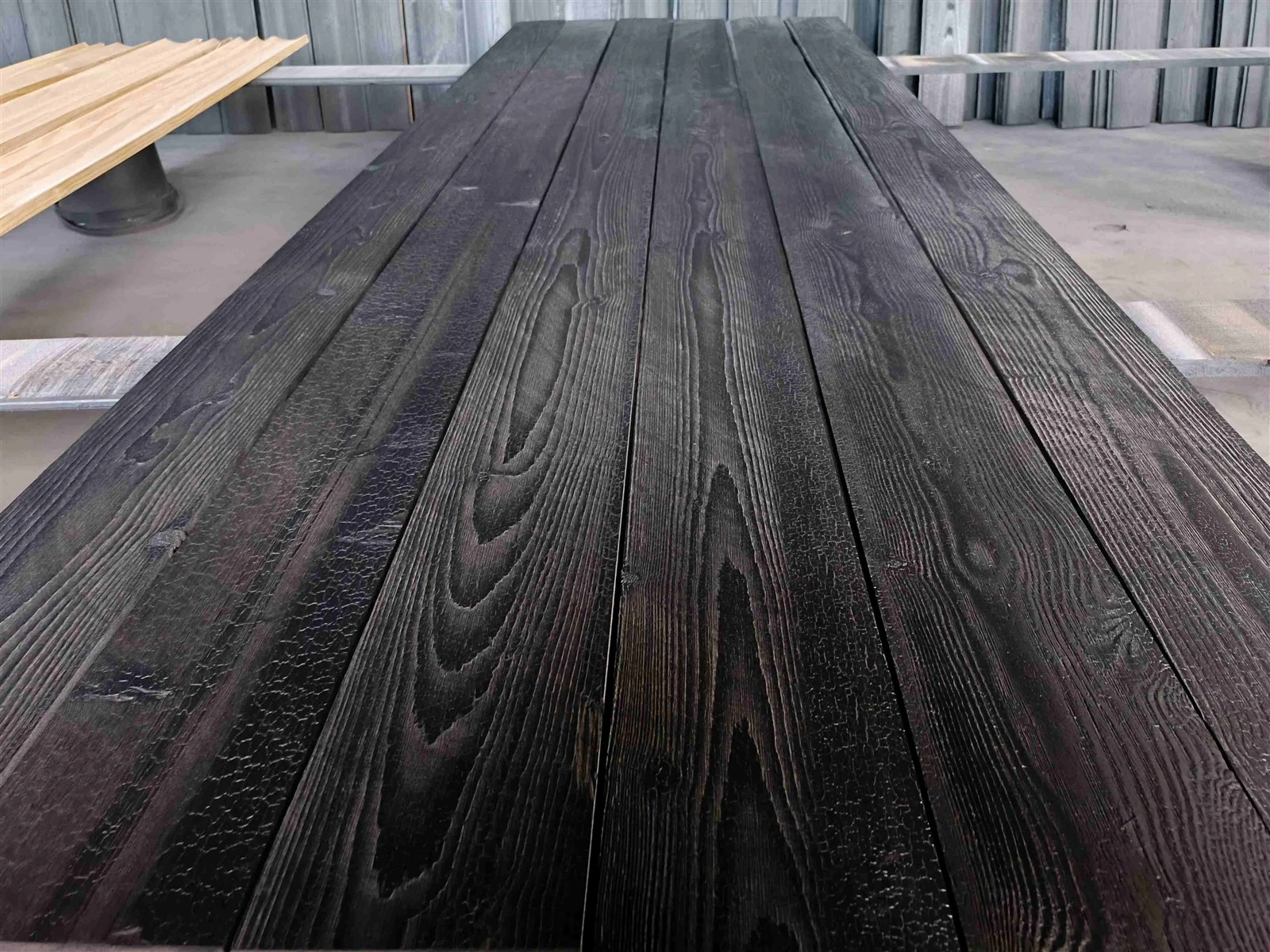
Shou Sugi Ban, also known as Yakisugi, is a traditional Japanese wood preservation method that dates back to the 18th century. The name literally means "charred cedar board." Craftsmen originally developed this technique to protect wood against Japan's humid climate.
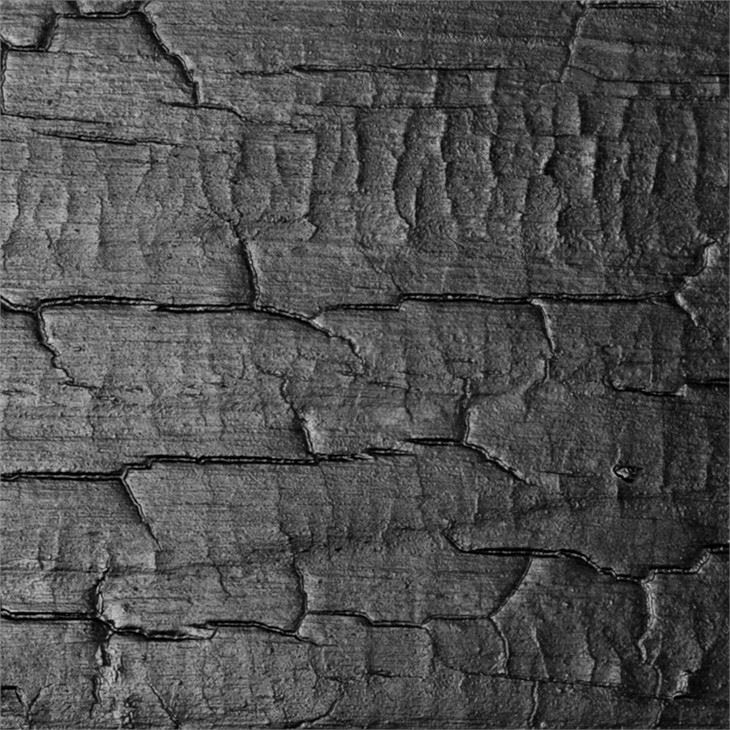
The process relies on controlled charring of the wood surface. When exposed to flame, the outer layer undergoes thermal decomposition and forms a stable carbonized shield. This charred layer is more than just visual-it's a functional armor that extends the life of the material.
Some of the key benefits of the Shou Sugi Ban technique include:
- Moisture resistance: The carbon layer closes surface pores and reduces water absorption.
- Durability: By removing nutrients, the wood becomes naturally resistant to decay and insects.
- Fire resistance: The carbonized surface actually raises the ignition point, adding a level of safety.
- Dimensional stability: Lower moisture absorption minimizes swelling and shrinking.
This balance of beauty and performance explains why Shou Sugi Ban has become a popular choice in modern design. From siding and decking to custom interiors, its durability and striking appearance make it stand out.
Best Woods for Shou Sugi Ban
Not all species perform equally well. The best wood for Shou Sugi Ban is one with moderate density, workable grain, and balanced resin content. Here are some of the top choices:
- Japanese Cedar (Cryptomeria japonica)
The traditional favorite. Lightweight, porous, and burns evenly. Produces a rich, deep black finish that has defined the look of Yakisugi for centuries.
- Pine
Affordable and widely available. Pine chars easily and creates attractive patterns, though it needs more maintenance than cedar. A great option for interior wall panels.
- Cedar
Naturally weather-resistant. When charred, it develops even stronger durability, making it a prime candidate for outdoor siding or fencing.
- Spruce
Lightweight and cost-effective. Offers a smooth and uniform char, ideal for accent walls or indoor projects.
- Larch
Dense and highly durable. Handles charring well, making it suitable for outdoor cladding and decking where longevity matters.
- Accoya (acetylated pine)
A premium option. Treated pine with outstanding rot resistance and stability. When combined with Shou Sugi Ban, it can last for decades even in harsh conditions.
Possible to char, but trickier. Their high density requires careful control, and the results are more specialized. These woods can create dramatic, textured effects when done by experienced hands.
Each of these species reacts differently, but all can be successfully used with the Shou Sugi Ban technique if the process is adjusted to match the wood's characteristics.
Woods That Don't Work Well
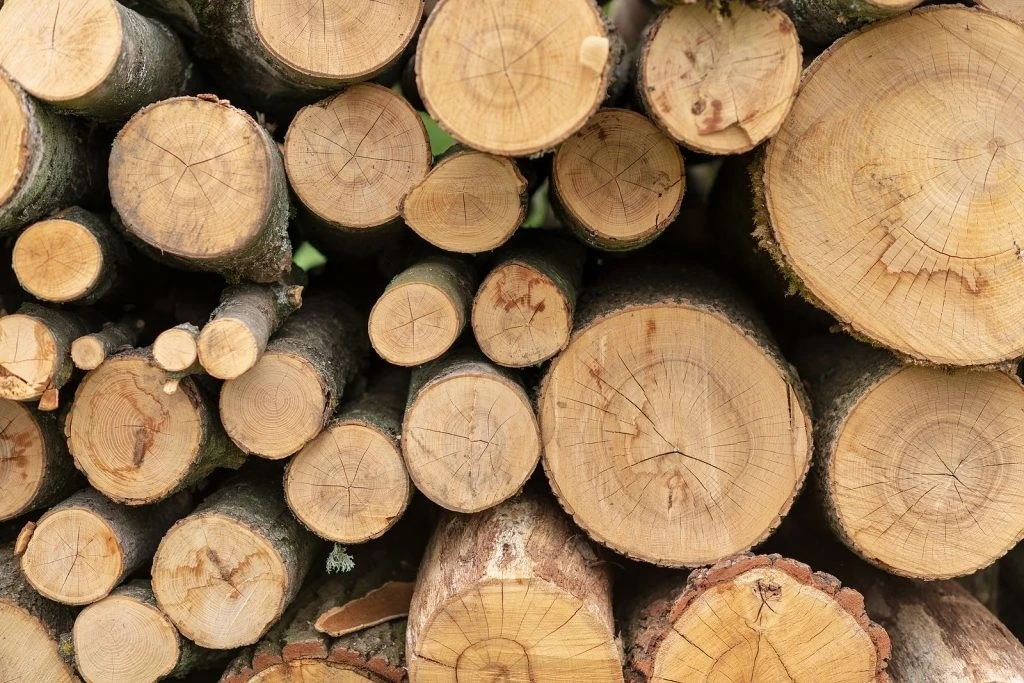
Can you Shou Sugi Ban any wood? The simple answer is no. Some species are unsuitable because they don't char evenly, or they pose safety concerns. Here are types of wood to avoid:
- Very dense hardwoods
Hard to burn uniformly. They tend to crack or split under intense heat.
- High-resin woods
Too much resin leads to flare-ups, excess smoke, and uneven surfaces.
- Freshly cut, high-moisture wood
Moisture above 15% prevents consistent carbonization and often causes warping.
- Low-density softwoods (poplar, paulownia)
They burn through too quickly and leave a fragile, thin char layer.
- Engineered products (MDF, plywood)
Contain adhesives that release harmful fumes. They also don't produce reliable finishes.
Understanding these limits is essential before starting. Choosing the wrong material can waste time and compromise both looks and durability.
Key Factors That Influence Results
The success of Shou Sugi Ban doesn't depend only on wood species. Several technical factors play a role in how the process turns out:
Wood density
Ideal range is 0.35–0.65 g/cm³. Too dense, and the wood resists charring; too light, and it burns away too fast.
Moisture content
Best results come with wood dried to below 15%. Higher moisture levels interfere with the burn and cause uneven results.
Resin content
A moderate level of resin helps seal the surface. Too much, however, leads to inconsistent finishes.
Char depth
- Surface char (0.5–2mm): Good for indoor decorative use.
- Medium char (2–5mm): Balanced look and performance, suitable for most projects.
- Deep char (5mm+): Rugged and protective, best for exterior siding or decking.
Post-treatment
Once charred, the wood needs finishing steps: cooling, brushing away loose soot, and applying natural oils such as tung or linseed. This enhances both appearance and durability.
By understanding these factors, you can fine-tune the process and ensure the wood not only looks stunning but also performs reliably for years.
conclusion
So, can any type of wood be used for Shou Sugi Ban? The answer is no-not every wood can achieve the intended results. The core of Shou Sugi Ban is creating a protective layer through controlled burning, which means wood selection must balance combustibility, structural stability, and long-term durability. Species such as cedar, pine, and larch are good examples.
If you're looking for a reliable Shou Sugi Ban manufacturer, MuMu Design offers the perfect custom solution. Contact us now for a quote on our exterior Shou Sugi Ban solutions.