

Solid core doors are a popular choice in modern home renovations due to their sturdy structure and excellent sound insulation. However, many consumers worry about one key question when making a purchase: Are solid core doors prone to warping? This article will delve into the critical factors influencing solid core door warping, helping you make informed choices and maintain your doors effectively.

Material and Its Relation to Warping
Whether a solid core door is prone to warping depends primarily on the material used and the manufacturing process. Solid core doors are generally divided into two main types: solid wood doors and solid core composite doors, each with distinct anti-warping capabilities.
- Solid wood doors are made from natural timber, retaining the inherent properties of wood. Wood is a "breathing" material that absorbs or releases moisture based on environmental changes. This characteristic makes untreated solid wood doors susceptible to expansion or contraction in response to humidity fluctuations, leading to warping. Different wood species also vary in their resistance to warping. For instance, woods like pine or cedar, with uniform grain, are relatively resistant to warping, while some hardwoods may crack if not properly dried.
- Solid core composite doors (such as those made with extruded powder-coated aluminum skins) address some warping issues through modern manufacturing techniques. These doors combine the strengths of multiple materials, with aluminum skins providing resistance to external impacts and moderate humidity changes, ensuring shape stability. However, if the internal material absorbs moisture, issues like surface bulging can still occur, highlighting the importance of material selection.
The drying process of the wood is a critical factor in preventing warping. High-quality solid core doors undergo strict drying procedures during production to prevent cracking and ensure even moisture content. Only properly dried wood remains stable during use. Inferior products often cut costs by shortening drying times, resulting in high moisture content in the door core. As moisture evaporates over time, internal stresses are released, inevitably causing warping.
At MuMu Design, we use premium solid wood materials (such as oak, walnut, pine, etc.), subjected to proper drying processes and surface treatments (like clear varnish or wood wax oil). These doors offer excellent abrasion resistance, impact resistance, and stability against warping or cracking, capable of withstanding daily wear and tear. With proper maintenance (e.g., regular cleaning and avoiding moisture exposure), solid wood doors can last for decades, offering excellent long-term value.

Environmental Factors Affecting Warping
Humidity and temperature changes in the environment are the primary external factors causing solid core doors to warp. As a natural material, wood expands with heat and moisture and contracts when cold or dry, making solid core doors highly sensitive to environmental changes.
High-temperature, high-humidity summer conditions pose a dual challenge for solid core doors. When temperatures exceed 30°C, prolonged exposure can cause the wood's internal moisture to evaporate, leading to contraction stress. Simultaneously, high humidity causes the wood to absorb moisture, resulting in expansion. This alternating wet-dry cycle can easily cause the door to twist or warp, sometimes preventing proper opening or closing. In coastal areas or humid environments (like basements), solid core doors are particularly prone to such issues. For example, a case study showed that a solid wood door installed in an untreated basement warped noticeably within six months.
Dry, heated winter environments also threaten the stability of solid core doors. In northern regions, indoor heating during winter creates extremely dry air, causing rapid moisture loss and wood contraction. When heating ends and humidity rises, the wood absorbs moisture and expands again. These seasonal changes subject solid core doors to cyclical warping. Newly installed doors are especially prone to these issues during their first heating season and typically require a full seasonal cycle to stabilize.
Spaces with drastic humidity fluctuations, such as kitchens and bathrooms, are particularly challenging for solid core doors. Rapid humidity changes in these areas accelerate warping. Research indicates that solid wood doors in kitchens are 40% more likely to warp than those in bedrooms. Therefore, when using solid core doors in such spaces, careful consideration of material suitability and additional protective measures is essential.
Impact of Manufacturing and Installation Quality
The structural design and manufacturing process of solid core doors play a decisive role in their resistance to warping. A well-crafted door can effectively withstand environmental stresses, while design flaws or cost-cutting measures exacerbate warping issues.
Asymmetrical structures are a common design flaw leading to warping. Some manufacturers cut costs by using mismatched materials or thicknesses on the door's front and back, causing structural imbalance that leads to arching or warping over time. Consumer reports have noted that some low-quality solid core doors, covered with aluminum skins thinner than 0.8mm and loosely filled interiors, showed noticeable bending within six months of installation. Reputable manufacturers use symmetrical, balanced structures, such as adding reinforcing ribs in the door frame, significantly enhancing anti-warping capabilities.
At MuMu Design, we using premium woods like walnut, teak, white oak, red oak, rosewood, ash, poplar, pine, carbonized poplar, and carbonized pine. This ensures our solid wood doors are high-quality, durable, and resistant to warping over long-term use.
Installation quality is equally critical to a door's long-term stability. Poor installation can subject the door to unnecessary stress, creating hidden risks for warping. Common installation issues include unlevel or unplumb door frames, loosely secured hinges, or insufficient expansion gaps. For example, one case showed a newly installed solid core door tilting at the top after three months due to only two hinges being used and an unlevel frame. Professional installation should use at least three hinges, ensure the frame is perfectly plumb and level in all directions, and leave appropriate expansion gaps (typically 3-5mm) between the door and frame to accommodate potential material expansion or contraction.
The quality of hardware components is also critical. Low-quality hinges or tracks may fail to support the weight of a solid core door, leading to sagging or warping. For large sliding doors, high-quality tracks made of materials like 304 stainless steel are essential, along with sufficient support points. A case study of a 3-meter-wide solid core sliding door showed that without intermediate reinforcement, the door's center could bend into a crescent shape after six months.
Preventing and Addressing Warping in Solid Core Doors
Smart purchasing is the first step in preventing warping. Consumers should verify product quality through multiple methods to avoid substandard products. A simple knock test can be effective: solid core doors, due to their dense filling, produce a deep, solid sound and feel heavy, while hollow or poorly filled doors sound empty and are lighter.
Regular maintenance is crucial for maintaining stability. Clean doors with a soft, dry cotton or silk cloth to avoid scratching the surface. For solid wood doors, apply specialized wood care oil every six months to replenish the wood's natural oils and reduce moisture absorption or loss. During humid seasons, maintain indoor relative humidity between 40% and 60% with dehumidifiers. In dry seasons, use humidifiers to prevent excessive moisture loss. Avoid prolonged direct contact with water, and for bathroom doors, promptly wipe off water droplets.
For minor warping issues, try these remedies: For doors that are hard to close due to moisture-induced expansion, identify the friction area and lightly sand the edges. For seasonal warping, wait through a full seasonal cycle to see if the door naturally stabilizes (especially after the heating season). For severe warping that affects functionality, contact the manufacturer or a professional repair service promptly, as reputable solid core doors often come with a warranty period.
Special considerations include: Newly installed solid core doors may experience temporary warping during their first heating season; avoid rushing to repair and evaluate after the season ends. Doors near heat sources (e.g., electric heaters) are prone to uneven heating and warping, so maintain at least a 50cm distance. For high-value solid wood doors, consider hiring professionals for regular maintenance to extend their lifespan.
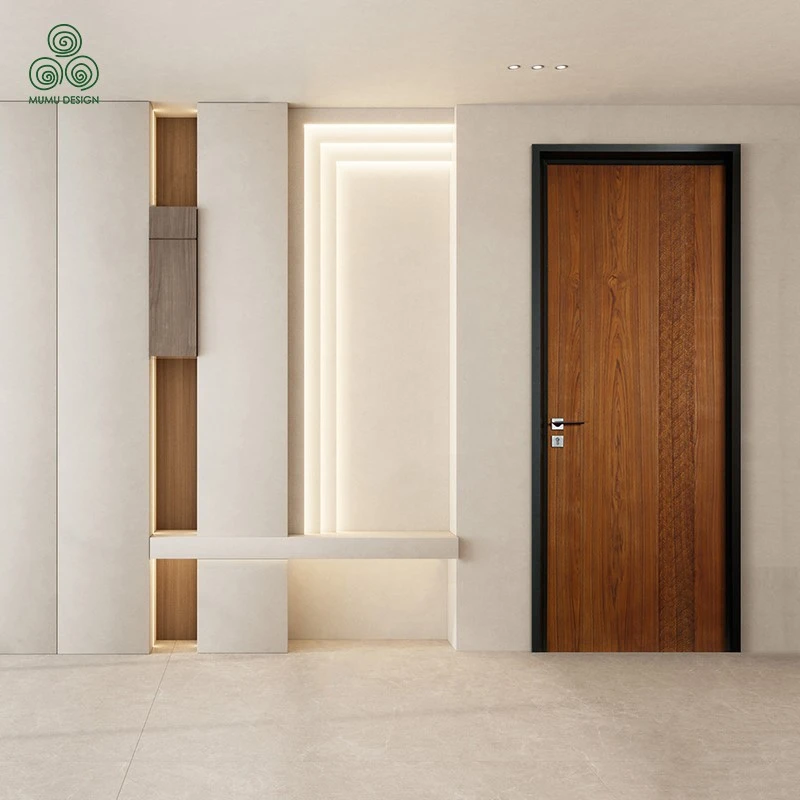
Comparing Solid Core Doors to Hollow Core Doors
Understanding the warping characteristics of solid core doors compared to other door types helps you make informed choices based on your needs. Different door types vary significantly in structural strength and warping resistance.
The comparison between solid core doors and hollow core doors is stark. Solid core doors, with dense cores of solid wood or high-density fillings, far surpass hollow core doors in structural strength. This density provides superior sound insulation, thermal insulation, and security but makes them more sensitive to environmental humidity and temperature changes. Hollow core doors, while lightweight and less prone to warping, lack in soundproofing and durability, making them unsuitable for spaces requiring privacy or security, like bedrooms or studies.
Comparison: Solid Core Doors vs. Hollow Core Doors
|
Feature |
Solid Core Door |
Hollow Core Door (e.g., Honeycomb Paper) |
|
Warping Resistance |
Higher (uniform structure) |
Lower (cavities susceptible to external forces) |
|
Sound Insulation |
Good (dense material) |
Poor (cavities reduce soundproofing) |
|
Weight |
Heavier (may affect hinge lifespan) |
Lighter |
|
Cost |
Higher (material and process costs) |
Lower |
Conclusion
When choosing a door, consumers should weigh the pros and cons based on the usage scenario. For high-humidity areas (e.g., bathrooms or kitchens), solid core composite doors or high-quality aluminum alloy doors may be more suitable than pure solid wood doors. For bedrooms prioritizing sound insulation and security, properly treated solid wood doors remain the best choice, provided quality is assured. Regardless of door type, selecting a reputable solid wood door manufacturer, reviewing material certifications, and understanding production details are key steps to avoiding warping issues.
MuMu Design, headquartered in Dongguan, China, is a leading manufacturer of wooden doors and custom wood solutions with over 20 years of industry experience. We specialize in producing high-quality indoor and outdoor wooden furniture and decorative materials, including solid wood doors, wall panels, flooring, ceilings, and custom furniture. With an extensive material library and advanced customization capabilities, we provide tailored solutions for global distributors, designers, and project owners. Contact us today for free design services, and we guarantee a prototype within three days of design confirmation.
