

The Art of Nature: Exploring the Versatility of Decorative Wood Veneers
The design and architectural details of a building have always been inspired by nature. Among them, wood panels stand out, combining art and functionality. With expressive textures and organic finishes, decorative wood offers a unique way to add warmth, depth and color to a space.
Canvas paintings that depict the beauty of nature
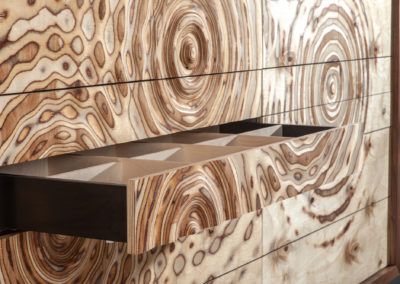
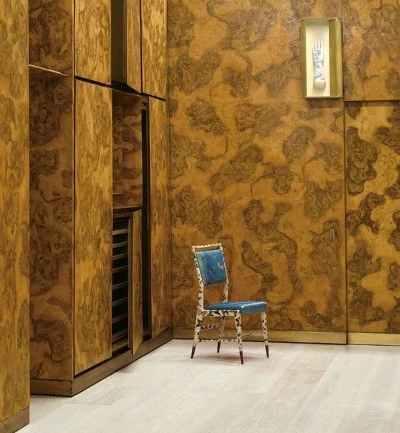
Plywood is made from thinly sliced pieces of wood that retain their original shape and texture. Each sheet tells a story with its own shape: the curved edges of gemstones, the distinctive texture of zebrano and the delicate beauty of oak. Due to this natural diversity, no two surfaces are exactly the same, creating a unique aesthetic that resonates with both modern and traditional engineering philosophies.
Inspiring texture
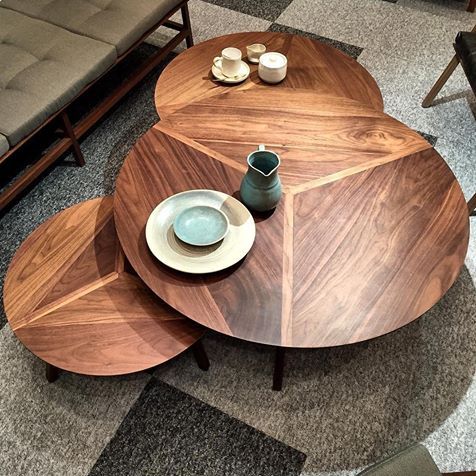
The versatility of wood fibers lies in their ability to mimic the changing properties of nature. For example, plywood has highly curved fibers due to the uneven growth of the wood, creating an almost three-dimensional beauty. Zebra wood paneling with alternating gray and white stripes creates a sense of movement and contrast. Other options, such as wavy maple and walnut tones, offer subtle or dramatic finishes, giving designers even more room for chromatic experimentation.
It can be adapted to any room.
One of the main advantages of wood paneling is its versatility. This product is lightweight yet durable and can be used in a variety of situations without compromising its structural integrity.
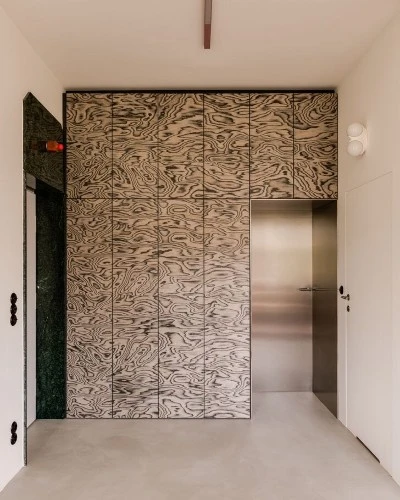
Walls and ceilings: Paneling can add warmth to a minimalist interior design or complement a rustic theme and turn an empty space into a centerpiece.
Furniture and accessories: From elegant furniture to rugs, interior design items transform functional objects into standout pieces.
Real estate and building materials: Installing mechanical insulation on doors and cabinets helps maintain shape and integrity.
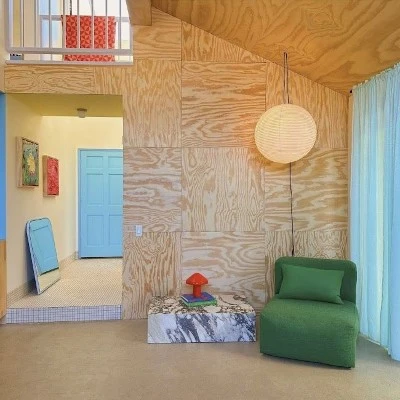
Ideal for modern art
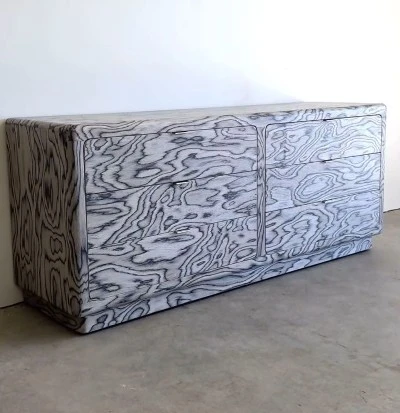
Advances in manufacturing technologies have expanded the possibilities of wood pulp production. Proper cutting and finishing techniques ensure consistent quality while maintaining the original beauty of the product. Combined with modern materials such as metal and glass, the cabinets are natural and innovative, suitable for commercial spaces, home projects and customized packaging.
Consistency in design
When it comes to materials, wood paneling follows environmentally friendly design practices. Using simple, high-quality crops increases the yield of each plant and reduces waste. Many plywood products are made from sustainably managed forests or recycled wood, making them a great alternative to hardwood without compromising aesthetics.
Conclusion
An ornamental tree is not just an accessory, but also a tribute to natural craftsmanship. Its adaptability to different needs and inherent uniqueness make it a timeless choice for those who want to create a stylish and interesting space. Whether used sparingly as an additional approach or as the basis of a design concept, botanical patterns invite you to reconnect with organic materials in unexpected ways.
Explore the possibilities and find inspiration in nature for your next project.