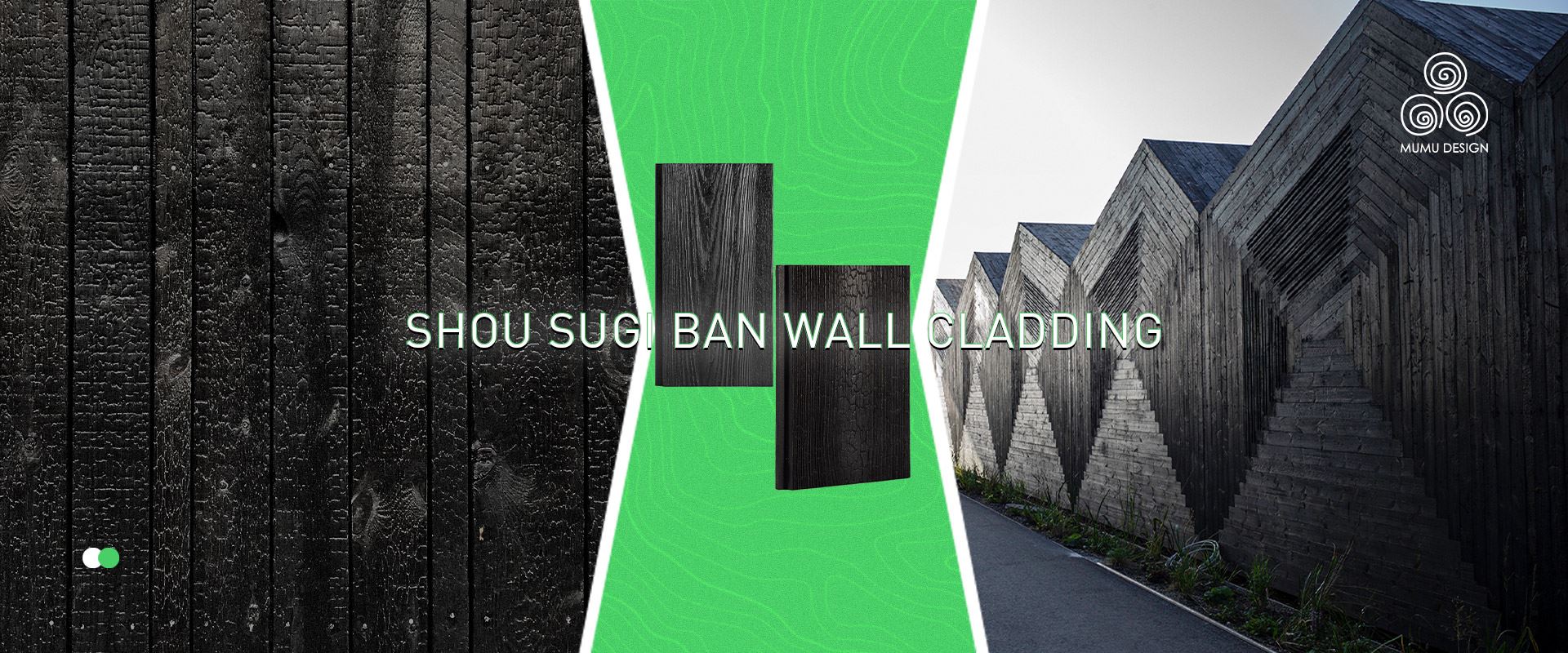
Shou Sugi Ban, also known as Yakisugi, has become one of the most distinctive materials in modern architecture. Its carbonized surface delivers a dramatic visual impact while offering natural advantages such as fire resistance, insect resistance, and improved durability. Yet despite these impressive qualities, Shou Sugi Ban is not a material that thrives on neglect. It performs beautifully when properly cared for-and with the right maintenance strategy, it can last several decades, even in demanding outdoor environments.
Whether you are a homeowner, designer, or builder, understanding how to maintain Shou Sugi Ban is essential for preserving both its structural performance and aesthetic character. Below is a complete, professional guide based on industry best practices.

Does the Shou Sugi Ban Require Maintenance?
Yes. While Shou Sugi Ban is more resilient than untreated wood, it is not entirely maintenance-free. The carbonized surface naturally slows down decay, insects, and moisture absorption, but it gradually loses its protective oils and can fade under UV exposure. Outdoor siding, in particular, requires periodic attention to retain its depth of color and surface integrity.
Indoors, the maintenance burden is far lighter. Once installed, interior wall panels, ceilings, and furniture often require nothing more than occasional dusting and a periodic inspection of the oil finish. But the fundamental truth is simple:
Shou Sugi Ban is low-maintenance-not zero-maintenance-and proper care is what allows it to achieve its full lifespan.
What Makes Shou Sugi Ban Different - And Why This Matters for Maintenance
The longevity and appearance of Shou Sugi Ban depend heavily on its char level, material quality, installation method, and exposure conditions. Deep-char surfaces feature a thick carbon shell that excels at repelling insects and moisture, yet this delicate texture can be vulnerable to abrasion in high-contact areas. Medium-char finishes strike a balance between durability and aesthetics, and lighter chars preserve the natural grain but offer less UV protection outdoors.
Climate remains a decisive factor. In cooler, shaded regions, Shou Sugi Ban can maintain its richness for years with minimal intervention; in sunny coastal or desert climates, UV intensity can accelerate fading or drying. Understanding these variables helps set realistic expectations for the required maintenance effort.

Expected Lifespan of Shou Sugi Ban in Different Environments
Indoors, Shou Sugi Ban is exceptionally stable. Protected from rain and sunlight, it can maintain its texture and color for decades, requiring only occasional cleaning and re-oiling every few years.
Outdoors, longevity is influenced by sun exposure, moisture levels, wind erosion, and temperature changes. Well-maintained Shou Sugi Ban siding often lasts 20–40 years, and in mild climates-with a proper rain screen system and regular oiling-it can exceed 50 years. In contrast, unmaintained siding exposed to direct UV radiation may show signs of fading within two to three years.
This variation underscores why maintenance plays such a critical role.
Daily and Seasonal Care: How to Maintain Shou Sugi Ban
A thoughtful maintenance routine ensures that the wood ages gracefully rather than deteriorating prematurely. The core elements of regular care include cleaning, moisture control, and surface protection.
- Routine Cleaning
Indoor surfaces can be gently dusted with a microfiber cloth. Outdoor installations benefit from occasional brushing with a soft-bristle broom to remove dirt, pollen, and airborne debris. What should be avoided are high-pressure washers, alkaline cleaners, or aggressive scrubbing pads, as these can loosen or damage the carbon layer.
- Managing Moisture and Ventilation
Good ventilation is crucial for preventing trapped moisture-especially behind siding. A proper rain screen or air gap ensures that water drains freely and that humidity does not accumulate behind the boards. Indoors, maintaining a stable humidity level protects against unnecessary expansion or contraction.
- Preventing Surface Damage
Although the char layer is resilient, it is not immune to scratches. Furniture should be protected from contact with sharp objects or hot vessels, and high-traffic areas should be monitored for signs of abrasion.

How Do You Maintain Shou Sugi Ban Siding?
For exterior applications, maintenance becomes more deliberate because of environmental exposure. This section answers the full search query "How do you maintain Shou Sugi Ban siding?"
Outdoor siding gradually loses its sheen and dark intensity under sunlight. Rainwater, freezing temperatures, and wind can further affect the surface. To maintain performance, homeowners should conduct a yearly inspection, looking for subtle color changes, thinning oil layers, surface dryness, or small cracks.
In most climates, the gold standard is re-oiling every one to two years. This simple treatment rejuvenates the surface, restores the carbon layer's saturation, and significantly extends the wood's lifespan. In strong-sun climates, an annual oil application is recommended.
Because siding covers large exterior areas, using a penetrating exterior-grade oil with UV protection is ideal. These oils stabilize the char layer, deepen the color, and help repel moisture. The maintenance procedure is straightforward: clean, inspect, apply oil evenly, and allow it to cure.
Re-Oiling Shou Sugi Ban: The Key to Long-Term Durability
Re-oiling is the single most effective maintenance method for Shou Sugi Ban. Indoors, a thin coat of tung oil, hardwax oil, or linseed oil brings back a rich finish. Outdoors, penetrating UV-resistant oils are essential.
The process typically involves:
- Cleaning the surface
- Stirring the oil thoroughly
- Applying a thin, even coat with a brush or cloth
- Allowing it to absorb
- Removing excess oil
- Letting the surface cure for one to two days
Regular oiling seals the micro-pores of the charred layer, preventing drying and erosion while maintaining the dramatic appearance that Shou Sugi Ban is known for.
Repairing Shou Sugi Ban When Needed
Even well-maintained surfaces can encounter wear. Fortunately, Shou Sugi Ban is one of the few materials that can be rejuvenated using the same technique that created it.
Light fading is easily corrected with oil. For moderate wear-when the carbon layer begins to thin-owners can re-char small sections using a propane torch. After brushing off loose soot, reapply oil to restore the finish. Cracks or chips can be filled with a mixture of fine wood dust and epoxy resin before refinishing.
This ability to repair and refresh the material ensures that Shou Sugi Ban remains a long-lived architectural element rather than one that needs frequent replacement.
Maintenance Priorities for Interiors, Exteriors, and Furniture
Although the underlying principles are similar, each application requires slightly different attention.
- Indoor Wall Panels & Ceilings
These typically require the least care. Dusting and occasional oil inspection every few years are sufficient.
- Outdoor Siding
The most maintenance-intensive application. Annual inspection and oiling every one to two years ensure longevity.
- Furniture & Decorative Pieces
Because these are handled more frequently, monitoring for scratches and protecting against hot objects is essential. Monthly light cleaning and periodic oiling keep surfaces vibrant.
This simple but clear differentiation helps users understand where maintenance matters most.
Maximizing the Service Life of Shou Sugi Ban
Shou Sugi Ban lasts longest when it is installed and maintained correctly. Key factors include choosing an appropriate char depth, selecting high-quality oils, ensuring proper ventilation behind siding, and avoiding harsh cleaning methods. Addressing small issues early-before cracks or drying progress-dramatically prolongs its usable life.
When these principles are followed, Shou Sugi Ban becomes a truly long-term investment, offering both structural reliability and timeless aesthetics.
Conclusion
Shou Sugi Ban is a material cherished for its craftsmanship, resilience, and stunning visual identity. Its beauty evolves over time, and with proper maintenance, this evolution is both graceful and enduring. Whether used indoors as 3D wall panels or outdoors as architectural siding, Shou Sugi Ban rewards consistent care with decades of reliable performance and distinctive character.
About the Author
MuMu Design is a world-leading manufacturer of Shou Sugi Ban, headquartered in Dongguan, China. With 20+ years of expertise, we deliver premium interior/exterior wood solutions-including Shou Sugi Ban siding, cladding, decking, flooring, ceilings, and custom furniture. Our extensive material library offers tailored Shou Sugi Ban panels in Solid European Red Pine, Larch, Mongolian Scotch Pine, and more-serving architects, distributors, and project owners worldwide. Trust us to transform your vision into reality.