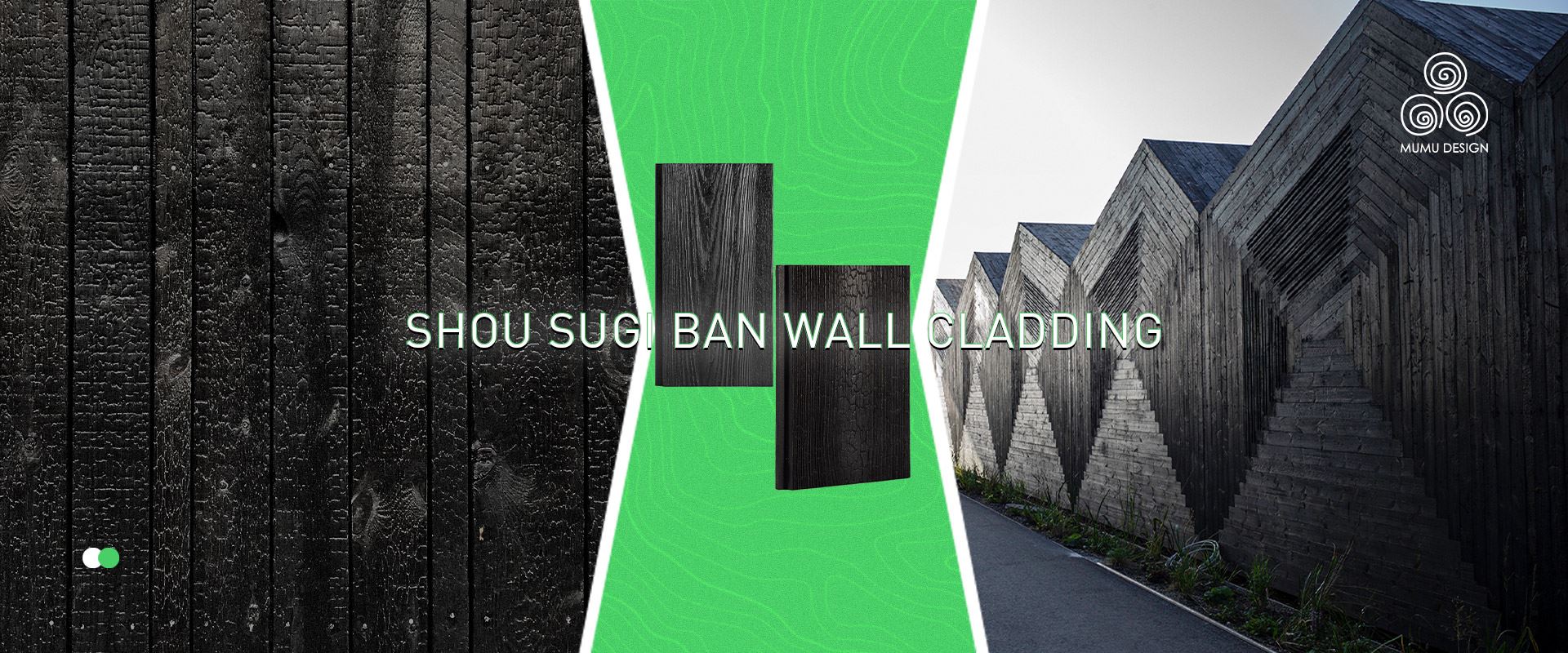
Yakisugi, also known as Shou Sugi Ban in Western contexts, is a centuries-old Japanese wood preservation technique that has captured global attention for its striking aesthetics, exceptional durability, and sustainable credentials. As international demand for distinctive yet eco-conscious building materials grows, Yakisugi presents a compelling option for architects, designers, and homeowners alike. This article explores the technical, aesthetic, and commercial dimensions of this remarkable material.
What is Yakisugi?
Yakisugi refers to the traditional Japanese practice of charring wood surfaces to create a weather-resistant, visually dramatic material. Historically used for exterior siding in Japanese architecture, the technique involves carefully controlled burning of primarily Japanese cedar (Cryptomeria japonica), though modern adaptations employ various wood species.
The process transforms the wood's surface into a carbonized layer that naturally resists moisture, insects, and even fire-a paradoxical outcome given that fire creates these protective qualities. Beyond its functional benefits, Yakisugi delivers an unmistakable visual signature ranging from deep charcoal blacks to silvery weathered grays, making it equally sought after for both structural and decorative applications.
The Craft Behind Yakisugi: Production Principles
The authentic Yakisugi process follows meticulous steps refined over generations:
- Material Selection: Traditionally, straight-grained Japanese cedar (sugi) aged 20–60 years is preferred for its resin content and uniform texture. Contemporary producers may use cypress, pine, or oak.
- Charring: Workers bundle three boards into triangular tubes and ignite the interior. The confined space creates intense heat (approximately 1,000°C) while limiting oxygen to prevent complete combustion.
- Controlled Burning: The duration determines the depth of char-typically 3–7 minutes for a 2–3 mm carbonized layer. Skilled artisans monitor flame patterns to ensure even coverage.
- Cooling & Cleaning: After extinguishing with water, the boards are brushed to remove loose carbon, revealing the textured grain beneath.
- Finishing: Optional steps include oiling (linseed or tung oil) to enhance water resistance or sanding for smoother tactile qualities.
Modern adaptations may use kilns or torches for consistency in large-scale production, though traditionalists argue open-flame methods yield superior depth and character.
Design Language: The Aesthetic Power of Yakisugi
Yakisugi's visual appeal lies in its ability to marry raw natural beauty with sophisticated urban minimalism:
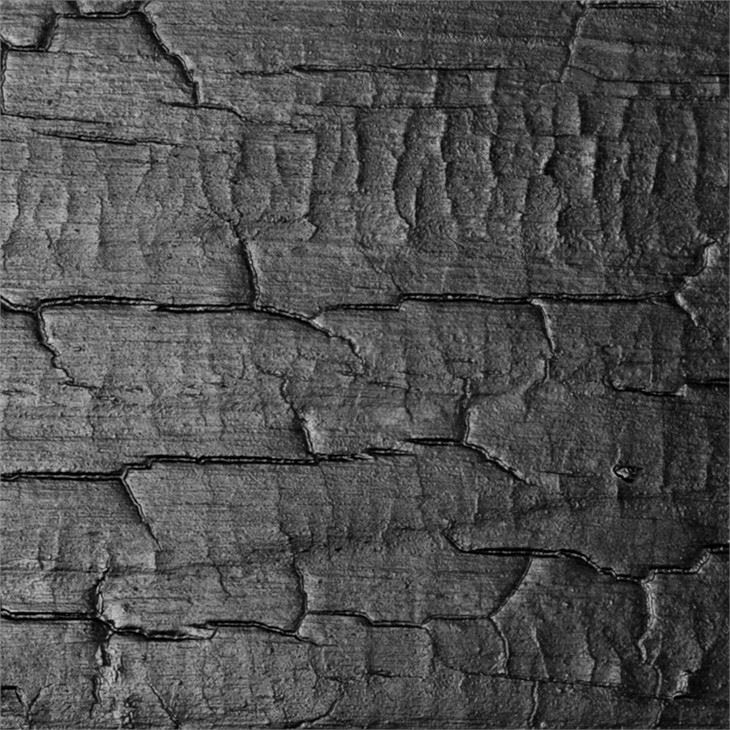
- Texture Spectrum: From deeply fissured "alligator skin" to finely brushed velvety surfaces, the material offers tactile diversity.
- Color Palette: Initial jet-black tones evolve into silvery patinas when weathered, or can be stabilized with oils to retain darkness.
- Grain Enhancement: Charring accentuates wood's annular growth rings, creating striking linear patterns unmatched by stains or paints.
- Cultural Resonance: The material carries subtle references to wabi-sabi philosophy-embracing imperfection and transience.
Designers particularly value Yakisugi's chameleon-like ability to complement both rustic and contemporary settings. When paired with glass or metal, it creates compelling material juxtapositions.
Architectural & Interior Applications
Originally developed for weatherproofing rural Japanese homes, Yakisugi now appears in diverse global applications:
- Exterior Cladding: Its resistance to UV rays, moisture (lasting 80+ years untreated compared to 20–30 years for painted wood), and termites makes it ideal for facades.
- Interior Feature Walls: Charred wood adds warmth to minimalist spaces while maintaining fire safety-the carbonized layer is less combustible than raw wood.
- Furniture: Table tops, cabinetry, and shelving gain durability and artisanal prestige from Yakisugi finishes.
- Landscaping: Fencing and decking benefit from the material's rot resistance, especially in humid climates.
Notably, architects are experimenting with Yakisugi in unconventional contexts like acoustic panels and lighting fixtures, leveraging its porous carbon structure for sound absorption and light diffusion.
Sustainability Credentials
In an era prioritizing eco-conscious materials, Yakisugi delivers compelling advantages:
- Chemical-Free Preservation: Unlike pressure-treated woods loaded with copper or arsenic compounds, Yakisugi uses only heat and natural resins.
- Longevity: Structures using Yakisugi require fewer replacements, reducing long-term resource consumption.
- Carbon Sequestration: The char layer stabilizes the wood's stored CO₂, delaying its release into the atmosphere.
- Local Sourcing Potential: Many regions can produce Yakisugi using indigenous softwoods, lowering transportation emissions.
Lifecycle analyses show Yakisugi-clad buildings can achieve 30–50% lower embodied carbon over 50 years compared to conventional painted wood or composite sidings.
At MuMu Design, sustainability is at the heart of our process. Our facilities adhere to FSC and PEFC certification standards, ensuring every piece of Shou Sugi Ban wood originates from responsibly managed forests.
Sourcing Quality Yakisugi: A Buyer's Guide
For commercial buyers, these factors distinguish premium products:
- Wood Species: Cedar and cypress offer optimal resin content. Verify geographical origin-Japanese-grown cedar often outperforms rapid-growth plantation woods.
- Char Depth: Look for consistent 2–3 mm carbonization (measurable with calipers). Superficial torching wears off prematurely.
- Post-Processing: Hand-brushed surfaces retain more texture than machine-sanded versions. Oiled finishes enhance durability.
- Certifications: FSC/PEFC chain-of-custody documents ensure responsible forestry practices.
- Supplier Expertise: Seek producers with at least 5–10 years of specialization, not general lumber mills adding Yakisugi as a sideline.
Sample testing is advisable-submerge pieces in water for 24 hours to check for excessive warping or discoloration, indicating inadequate charring.
The Craft and Production PrinciWith over 300 completed projects across 100+ countries, MuMu Design sets the global benchmark for craftsmanship, sustainable wood technology, and client satisfaction. Our 99% client retention rate and zero-complaint record reflect our dedication to excellence and trust.ples of Yakisugi
Conclusion
Yakisugi represents a rare convergence of tradition and innovation-an ancient technique answering modern demands for sustainability, authenticity, and design distinction. For procurement professionals, it offers a differentiated product with compelling environmental storytelling potential. As global architecture continues embracing biophilic design and carbon-neutral materials, Yakisugi's market relevance appears not just as a trend, but as a lasting shift toward intelligent material choices.
About the Author
MuMu Design is a world-leading manufacturer of Shou Sugi Ban, headquartered in Dongguan, China. With 20+ years of expertise, we deliver premium interior/exterior wood solutions-including Shou Sugi Ban siding, cladding, decking, flooring, ceilings, and custom furniture. Our extensive material library offers tailored Shou Sugi Ban panels in Solid European Red Pine, Larch, Mongolian Scotch Pine, and more-serving architects, distributors, and project owners worldwide. Trust us to transform your vision into reality.