

In the quiet corners of our homes, where shadows dance with light, wood wall panels whisper stories of warmth and belonging...
The Melancholic Beauty of Wooden Embrace 🌲
There's something profoundly moving about wood wall panels – they're not just decorative elements, but emotional anchors in our domestic landscapes. Like pages from a well-worn diary, each grain tells a story of seasons weathered, of time gracefully accepted. When we choose wood wall panels for our spaces, we're not merely selecting building materials; we're curating memories yet to be made.
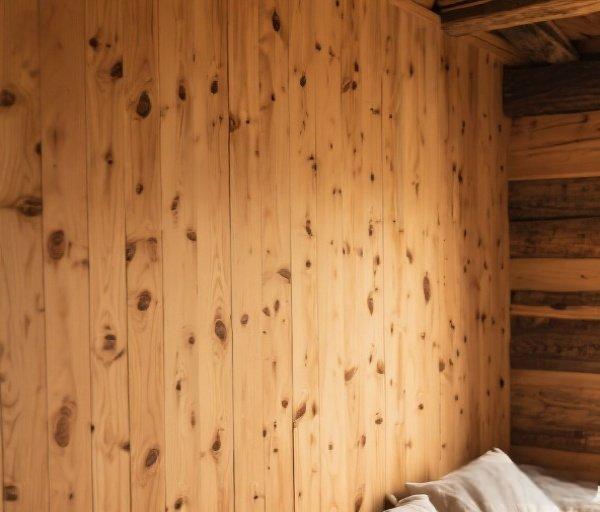
The installation of wood wall panels transforms sterile walls into living, breathing surfaces that respond to our moods like old friends. In bedrooms where insomnia visits too often, the gentle texture of oak panels creates a cocoon of comfort. In living rooms where laughter mingles with tears, pine wood wall panels absorb our emotional echoes, becoming witnesses to our human experience.
Types of Wood Wall Panels: A Taxonomy of Timber Souls
Traditional Solid Wood Options
| Wood Type | Grain Pattern | Emotional Resonance | Best Application |
|---|---|---|---|
| Oak | Bold, dramatic | Strength in vulnerability | Living rooms, studies |
| Pine | Soft, flowing | Gentle melancholy | Bedrooms, nurseries |
| Cedar | Linear, refined | Quiet contemplation | Bathrooms, meditation spaces |
| Walnut | Rich, complex | Deep introspection | Home offices, libraries |
Each wood wall panel variety carries its own emotional weight. Cedar panels breathe with aromatic sighs, while walnut panels hold shadows in their deep grain like secrets we're afraid to tell. The selection process becomes less about aesthetics and more about finding the timber that matches our inner landscape.
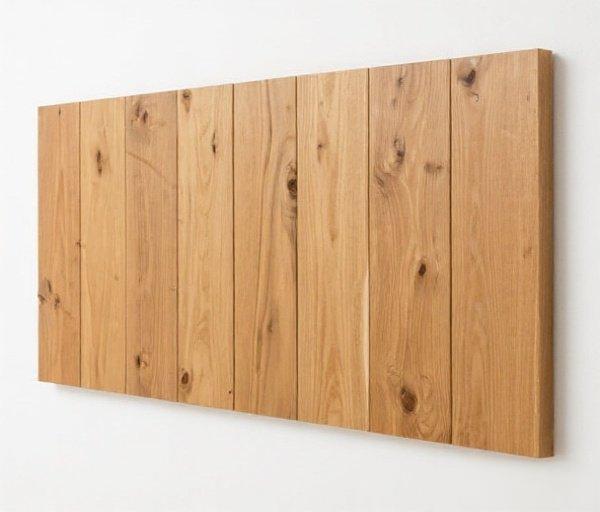
Engineered Solutions for Modern Hearts
Contemporary wood wall panels have evolved beyond solid timber, embracing engineered materials¹ that blend sustainability with emotional authenticity. These modern interpretations maintain the soul of wood while addressing practical concerns that keep us awake at night – moisture resistance, dimensional stability², and environmental responsibility.
| Panel Type | Composition | Durability Rating | Cost Range |
|---|---|---|---|
| Solid Wood | 100% Natural timber | High (20+ years) | $8-25/sq ft |
| Engineered Core | Wood veneer³ + composite | Very High (25+ years) | $5-18/sq ft |
| Laminate Wood | Printed wood pattern | Medium (10-15 years) | $2-8/sq ft |
Installation: The Ritual of Transformation 🔨
Installing wood wall panels is more than construction – it's a meditative practice that connects us to generations of craftsmen who understood that homes are built with hands but filled with hearts. The process begins with careful measurement, each calculation a promise to the space we're about to transform.
The furring strips⁴ go up first, creating the skeleton upon which our wood wall panels will rest. There's something poetic about this hidden framework – like the underlying structure of a sonnet, invisible yet essential. Each panel slides into place with a satisfying click, the tongue-and-groove joints⁵ forming bonds stronger than words.
Professional vs. DIY Installation Considerations
| Factor | Professional Installation | DIY Installation |
|---|---|---|
| Time Investment | 1-2 days | 3-5 days |
| Tool Requirements | Included | $200-500 additional |
| Warranty Coverage | Full coverage | Limited/void |
| Emotional Satisfaction | Moderate | High |
| Risk of Mistakes | Low | Moderate to High |
Maintenance: Caring for Wooden Memories
Wood wall panels require the same tender attention we give to relationships that matter. Regular dusting becomes a meditation, the soft cloth moving across grain patterns like fingers tracing beloved faces in old photographs. The annual conditioning with wood polish⁶ feels ceremonial – we're not just protecting surfaces, but preserving the emotional investment we've made in our spaces.
Different wood species demand different care rituals. Cedar wood wall panels need minimal intervention, their natural oils providing protection like emotional armor developed through years of heartbreak. Oak panels, bold and dramatic, occasionally require deeper conditioning to maintain their proud stance against time's passage.
Design Integration: Harmonizing with Your Soul's Architecture
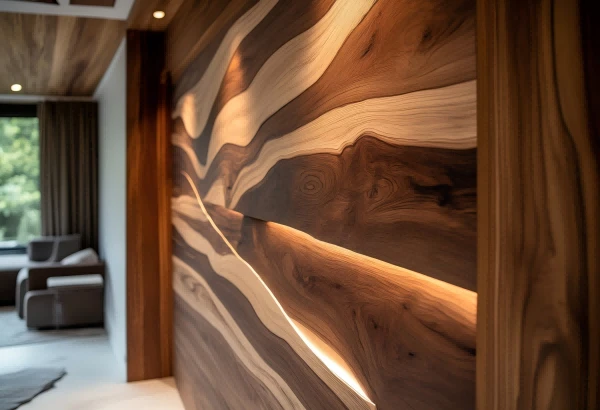
When wood wall panels meet existing décor, magic happens in the spaces between intention and reality. These panels don't dominate rooms; they enhance them like background music that perfectly matches your mood. In minimalist spaces, simple wood wall panels provide warmth without overwhelming the clean lines that bring peace to anxious minds.
Contemporary homes benefit from the organic contrast that wood wall panels provide against sleek surfaces. The juxtaposition creates visual poetry – smooth meeting textured, manufactured meeting natural, temporary meeting timeless. It's in these contrasts that we find the emotional complexity that makes spaces feel authentically ours.
Economic Considerations: Investment in Emotional Infrastructure
The cost of wood wall panels extends beyond initial purchase price into the realm of emotional return on investment. Quality panels appreciate not just in monetary value but in the daily dividends of comfort and satisfaction they provide. When calculating expenses, consider the therapy sessions saved by creating a space that truly feels like home.
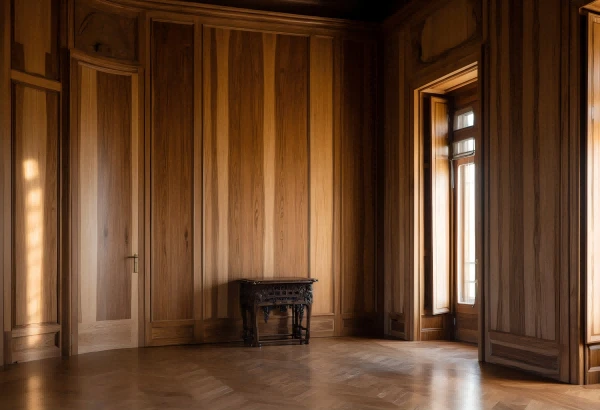
Bulk purchasing of wood wall panels often reduces per-unit costs, though the emotional weight of committing to a single design choice can feel overwhelming. Start small – perhaps an accent wall where wood wall panels can test their compatibility with your space's existing emotional ecosystem.
Professional Terminology Glossary
¹ Engineered Materials: Composite wood products combining natural wood fibers with synthetic binding agents to create stable, consistent building materials.
² Dimensional Stability: The ability of wood products to maintain their size and shape despite changes in humidity and temperature.
³ Wood Veneer: Thin slices of natural wood (typically 1/16" or thinner) applied to composite substrates to provide authentic wood appearance.
⁴ Furring Strips: Thin wooden strips attached to walls to create a level mounting surface and air gap behind paneling.
⁵ Tongue-and-Groove Joints: Interlocking wood joint system where one piece has a protruding "tongue" that fits into a corresponding "groove" in the adjacent piece.
⁶ Wood Polish: Specially formulated cleaning and conditioning products designed to nourish wood surfaces while providing protective coating.
Frequently Asked Questions & Solutions
How do I prevent wood wall panels from warping in humid conditions?
+
-
Ensure proper ventilation behind panels using furring strips, maintain consistent indoor humidity levels between 30-50%, and choose engineered panels for high-moisture areas. Pre-conditioning panels to your home's environment for 48 hours before installation significantly reduces warping risks. Consider applying moisture-resistant sealers to panel backs.
What's the best way to hide electrical outlets within wood wall panel installations?
+
-
Plan electrical modifications before panel installation. Use extension rings to bring outlets flush with new panel depth, or install new outlet boxes at appropriate depths. Cut precise openings using templates and fine-tooth saws. Consider adding decorative outlet covers that complement wood grain patterns. Always consult licensed electricians for safety compliance.
How can I repair damaged sections of wood wall panels without replacing entire panels?
+
-
matching panel color, sand smooth, and apply matching stain. For deeper damage, carefully remove affected panel section using oscillating tools, install replacement piece using same mounting methods. Blend new wood stain gradually into existing panels. Document original stain specifications for future touch-ups.