

For centuries, Japanese craftsmen have harnessed fire to transform cedar into one of the world's most resilient building materials. Known as Shou Sugi Ban (焼杉板), this traditional charring technique creates wood siding that defies rot, insects, and weathering while showcasing striking visual texture. Today, architects globally are rediscovering its fusion of function and artistry.
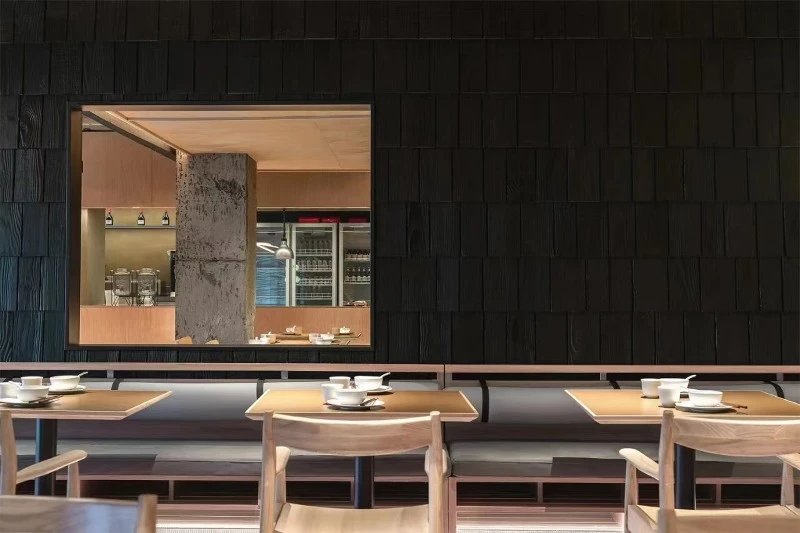
The Science Behind the Flame
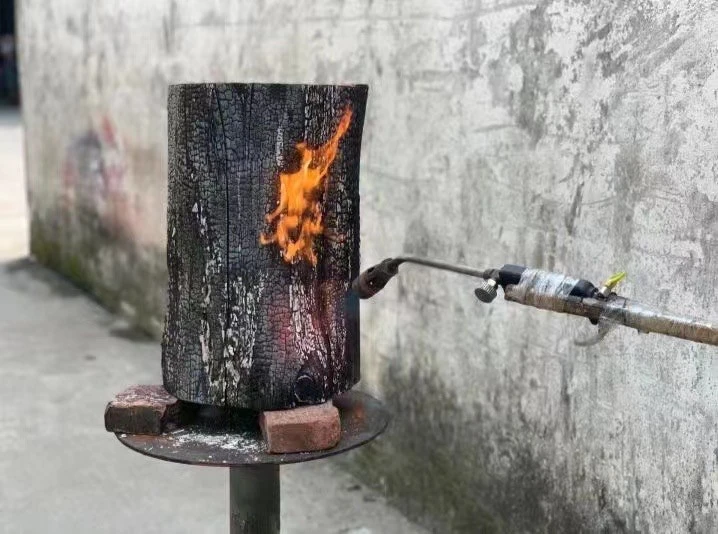
The process involves carefully burning the wood surface until it carbonizes, creating a protective charcoal layer. This transformation:
Seals the grain against moisture penetration
Naturally repels insects without chemical treatments
Blocks UV damage, slowing weathering by decades
Enhances fire resistance (paradoxically, charred wood ignites at higher temperatures)
Laboratory studies confirm charred cedar withstands over 80 years outdoors untreated – outperforming most modern alternatives.
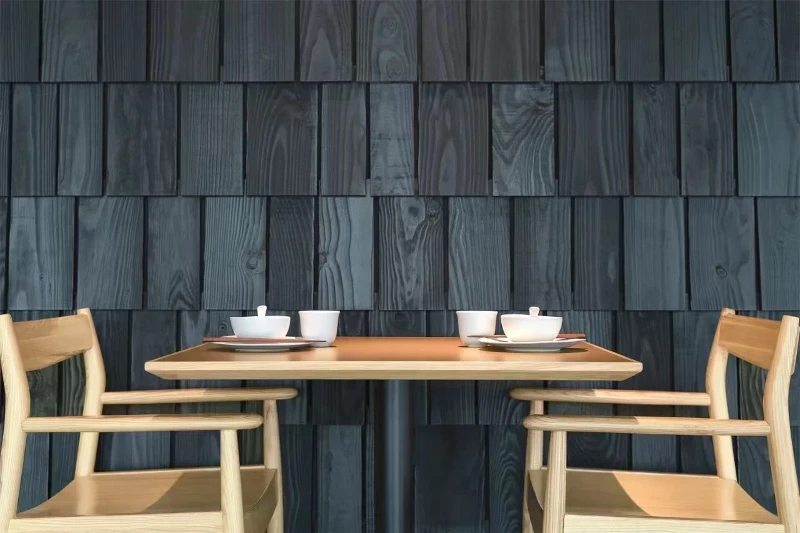
Beyond Preservation: Aesthetic Alchemy
Artisans control three visual outcomes through brushing intensity:
Gutsunugi (重度焼き): Deep charring with dramatic alligator-skin texture
Yakisugi (中度焼き): Medium brushing revealing wood grain beneath soot
Shibusugi (軽度焼き): Light charring producing silvery-gray finishes
Each piece becomes unique, evolving in color when exposed to elements – from jet-black to driftwood grays.
Sustainability Reimagined
In an era of engineered composites, Shou Sugi Ban offers compelling eco-advantages:
Zero synthetic preservatives or VOCs
100% biodegradable at end-of-life
Lower embodied energy than metal/plastic sidings
Extends wood's functional lifespan 3-5x
Swiss architects recently calculated its carbon footprint at 73% lower than stained cedar over 50 years.
Contemporary Applications
Facades: Rain screens that require zero maintenance
Interiors: Accent walls with mineral-like depth
Landscaping: Fencing that withstands coastal salt spray
Renovations: Lightweight cladding retrofitted over existing structures

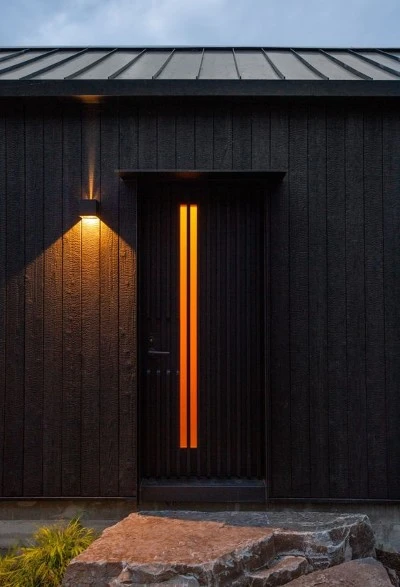
Preserving Tradition, Inspiring Innovation
While traditionally hand-burned using cedar, modern adaptations include:
Sustainable alternatives: FSC-certified cypress, pine, or thermally-modified woods
Safety enhancements: Factory-controlled kiln charring
Hybrid techniques: Combining charring with non-toxic oil finishes
Yet the core principle remains: working with nature's resilience rather than against it.
Conclusion: Timelessness Redefined
Shou Sugi Ban challenges disposable architecture. It transforms a destructive force into a creative, preservative act – yielding materials that grow more characterful with time. As we rethink building longevity, this ancient technique offers unexpected relevance for contemporary design.