

In the modern interior decoration field, Wood Strip Wall Panels have gained the favor of numerous designers and homeowners due to their natural texture and warm feel. In this article, I will comprehensively analyze the definition, material characteristics, design advantages and other information of wood strip wall panels, helping you gain a deeper understanding of this wall decoration solution that combines beauty and practicality, and providing professional references for your decoration decisions. Keep reading to learn more.
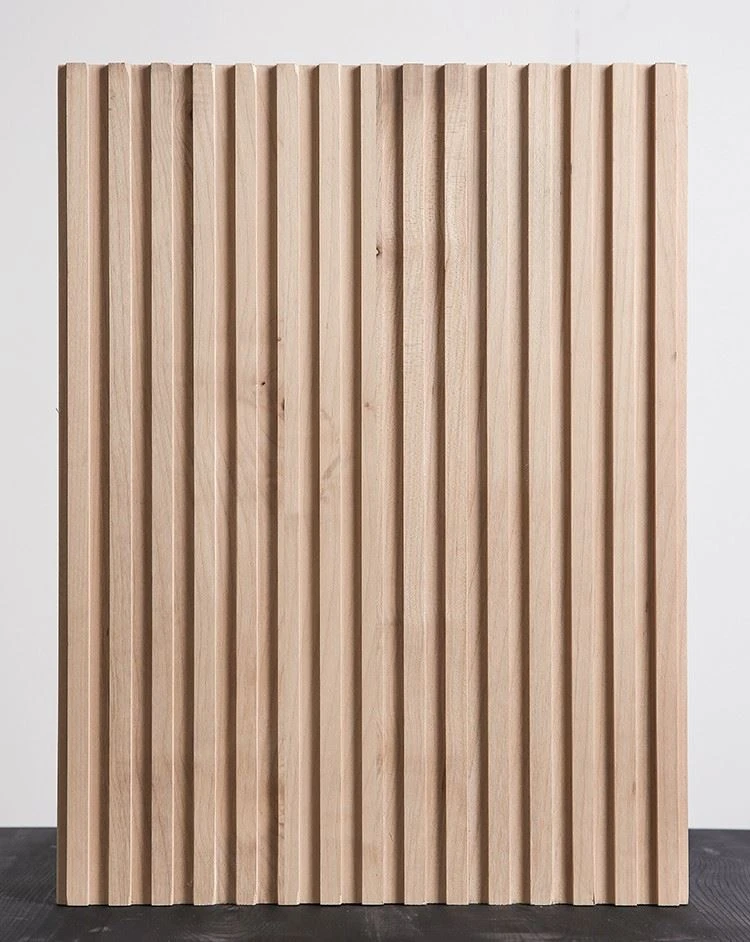
Concept and Definition of Slat Wood Wall Panels
Wood strip wall panels refer to strip-shaped wall decoration materials made of wood or wood-derived materials, which are assembled and combined to form an overall wall effect. In the field of interior design, they are also known as "wood wall decoration strips," a type of slender wooden product used for wall decoration, bringing unique beauty to walls through simple lines and natural textures. Unlike traditional wall paint or wallpaper, slat wall panels not only serve a surface decoration function but also change the three-dimensional structure of the wall, creating a rich sense of spatial layering. This decorative form originated from the wainscoting in European classical architecture and, through simplification and improvement in modern design, gradually evolved into today's diversified slat wood wall panel systems.
In terms of material composition, slat wood wall panels are mainly composed of upper and lower horizontal frames, vertical frames, core panels, and corner frames. This modular structural design makes the installation process simple and quick, saving both time and effort, while also supporting multiple disassemblies and reuses, with the characteristic of being less prone to deformation. In contemporary home environments, slat wood wall panels have gone beyond the role of simple decoration, becoming a comprehensive wall solution that integrates aesthetics and function. They can be used alone to form simple linear beauty or combined with other materials such as glass, metal, or stone to create more diverse design effects.
Functionally, slat wood wall panels perfectly embody the design philosophy of "form follows function." They not only protect walls from bumps and wear, extending the life of the wall, but also regulate indoor humidity through the physical properties of wood, absorb sound waves, and improve the acoustic environment and comfort of a space. This dual nature makes slat wood wall panels widely used in homes, hotels, offices, and other places. It is worth noting that with advances in manufacturing technology and updates in design concepts, the form and function of slat wood wall panels are still evolving, providing more possibilities for modern interior spaces.
Material types and properties of striped wood wall panels
The core value of slat wood wall panels largely depends on the materials used, and different materials present distinctly different visual effects and user experiences. Solid wood and plywood, as the two main materials for slat wood wall panels, each have unique attributes and advantages that meet decorative needs in different scenarios. Gaining a deep understanding of these material characteristics helps us make wiser choices in specific projects.
- Solid wood wall panels are the high-end category among slat wood wall panels. They use natural wood as the base material and fully retain the original grain and physical properties of wood. Solid wood panels are commonly made from high-quality species such as red oak, walnut, teak, and cherry. These woods not only have unique grain and color, but also higher density and good durability. The thickness of solid wood panels is generally between 18–22 mm, with the moisture content controlled at around 8%, parameters that ensure product stability and durability. From an environmental perspective, solid wood panels are particularly outstanding because the base has no veneer sandwich layer and uses less adhesive. The greatest advantage of solid wood lies in its irreplaceable natural beauty-every grain is unique, and over time a gentle patina develops, giving the space a sense of time. However, solid wood panels also have some limitations: on the one hand, they are sensitive to changes in environmental humidity and may show slight expansion or contraction; on the other hand, their price is relatively high, making them a premium choice in wall decoration.
- Plywood slat wall panels represent a perfect blend of technology and practicality. Plywood is an engineered board made by cross-bonding multiple layers of thin wood veneers under pressure, and it features high stability and resistance to deformation. In the production of slat wall panels, plywood is usually used as the base, with various wood-grain effects achieved on the surface through veneering or printing processes. After sanding and wood-grain printing, plywood panels can present natural wood effects with strong layering and high aesthetics. Compared with solid wood, plywood panels have a clear price advantage, and their standardized specifications facilitate mass production and installation. Blockboard (a special type of plywood) has especially good moisture resistance: its core is formed by bonding strips of natural wood, with very thin veneers on both sides, making it one of the main materials used in decoration. The main drawback of plywood panels is that their edges need proper treatment-solid wood trim is usually required for edge protection-which to some extent increases construction complexity.
In addition to these two main materials, the market also offers some derivative materials of slat wall panels to meet special environmental needs. Eco-wood panels are environmentally friendly decorative boards made by compounding bamboo/wood fiber (wood powder, bamboo powder) with PVC resin powder and other polymers, featuring waterproofing, pest resistance, fire retardancy, and sound insulation. PVC wall panels, with polyvinyl chloride as the main material, have excellent waterproof and moisture-proof performance and are particularly suitable for high-humidity areas such as bathrooms and kitchens. Although these new materials do not fall under the traditional categories of solid wood or plywood, they expand the application boundaries of slat wall panels and play an important role in special environments.
Table: Comparison of Solid Wood and Plywood Slat Wall Panels:
|
Feature |
Solid Wood Panels |
Plywood Panels |
|
Material composition |
Natural solid wood strips spliced |
Multiple wood veneers bonded, surface veneered or printed |
|
Grain characteristics |
Natural wood grain, one of a kind |
Can simulate various grains, consistent patterns |
|
Stability |
More affected by temperature and humidity |
Highly stable, not easily deformed |
|
Environmental performance |
Low adhesive usage, notably eco-friendly |
Depends on the adhesive used |
|
Price range |
Higher |
Moderate, high cost performance |
|
Suitable scenarios |
Living rooms, bedrooms, high-end commercial spaces |
Various interior spaces, especially budget-conscious projects |
When choosing the material for slat wall panels, multiple factors should be considered, including spatial function, environmental conditions, design style, and budget constraints. Solid wood panels are more suitable for projects that pursue natural textures and high-end quality, while plywood panels show their strengths in scenarios with limited budgets or requiring large-scale installation. Regardless of the material chosen, high-quality slat wall panels should have stable structures, fine surface finishes, and compliance with environmental standards-these are the foundation for ensuring the final effect and user experience.
Functional Advantages And Application Value of Strip Wood Wall Panels
The popularity of slat wood wall panels in interior decoration is no accident. Behind it lies a series of proven functional advantages and practical application values. This wall decoration solution goes beyond mere aesthetics, bringing multiple practical benefits to modern spaces and thereby achieving a harmonious unity of form and function. From improving the indoor climate to enhancing spatial quality, slat wall panels demonstrate impressive versatility.
1. Regulating Indoor Temperature and Humidity
Environmental regulation is one of the core values of slat wall panels. It is reflected in:
- Humidity regulation: Wood, as a natural porous material, has a unique "breathing" property. When the air is too humid, wood can absorb moisture; when the air is dry, wood can release moisture, naturally maintaining a relatively balanced indoor humidity.
- Temperature regulation: At the same time, because wood has low thermal conductivity and feels warm to the touch, as a wall material it provides good thermal insulation. It reduces heat loss in winter and blocks external heat in summer.
This dual environmental regulation function makes slat wall panels an ideal choice for creating a healthy and comfortable home, especially in bedrooms and studies where a cozy atmosphere is desired.
2. Good Acoustic Performance
Another commendable functional feature of slat wall panels is their influence on the transmission of sound.
Wood has certain sound absorption and diffuse reflection effects on sound waves, effectively reducing indoor noise transmission and the accumulation of echoes. Test data show that some well-structured slat wall panels can even achieve sound insulation of 30 dB. This feature makes slat wall panels especially suitable for home theaters, music classrooms, offices, and other places with acoustic requirements.
It is worth noting that there are subtle differences in acoustic performance between solid wood and plywood-because solid wood has a higher density, its absorption of mid-to-low frequencies is slightly better than that of plywood, although this difference is usually difficult to notice in typical residential environments.
3. Aesthetic and Stylish, Suitable for High-End Spaces
In terms of aesthetic value, slat wall panels have indisputable advantages. Natural wood grain and warm tones add a natural and harmonious atmosphere to interiors, while diverse patterns and colors can perfectly match styles ranging from traditional to modern. The aesthetic value of slat wall panels is mainly reflected in three dimensions:
- Texture: Every inch of natural wood grain is different, presenting natural randomness and continuity.
- Color: The color of wood ranges from the light white of maple to the deep red of cherry wood, and to the dark brown of walnut, providing rich choices of tones.
- Structural design: By changing the width, spacing, and arrangement of the slats, designers can create endlessly diverse visual effects.
Slat wall panels are especially good at enhancing the sense of refinement in a space, transforming plain walls into artistic compositions with depth and layering, thereby improving the overall quality of the interior environment. This aesthetic value is often amplified in commercial spaces such as high-end hotels and boutiques, becoming a spatial element that shapes brand identity.
4. Protecting Walls
Protective performance, as a basic function of wall panels, should not be overlooked.
- Preventing wall surface wear: Unlike ordinary wall paint or wallpaper, wall panels can effectively protect walls from daily collisions, scratches, and stains. It is especially worth noting that the edges of veneered boards usually adopt solid wood trims to protect them from impact and abrasion, thereby extending the overall service life of the wall. This protective function is particularly important in public spaces and high-traffic areas such as corridors and lobbies.
- Covering wall defects: The protective role of wall panels is also reflected in their ability to cover wall structures. They can effectively conceal slight unevenness and existing defects, thereby reducing the cost and workload of repairing an entire wall.
- Multi-functional protection: Some specially treated wall panels also have advanced protective functions such as UV resistance and anti-static properties, further expanding their application scenarios.
Main functional advantages of slat wall panels:
- Humidity regulation: automatically absorbs and releases moisture to balance indoor humidity
- Sound insulation and noise reduction: absorbs sound waves, reduces noise transmission, and improves the acoustic environment
- Thermal insulation: low thermal conductivity, improving space energy efficiency
- Wall protection: resists everyday wear and impact, extending wall lifespan
- Aesthetic enhancement: rich grain and texture that elevate spatial refinement
From residential to commercial spaces, slat wall panels have extremely wide application scenarios. In home environments, the living room TV feature wall, entry partitions, and bedroom headboard walls are all ideal places to showcase slat wall panel effects; in commercial settings, hotel lobbies, private dining rooms, and office walls often use slat wall panels to create specific atmospheres. Different scenarios have different requirements-home environments may focus more on warmth and tactile feel, while commercial spaces may emphasize wear resistance and visual impact. Understanding the correspondence between functional advantages and application scenarios helps designers bring out the value of slat wall panels more precisely in practice, creating interiors that are both beautiful and practical.
Design Styles and Spatial Effects of Wood Strip Wall Panels
The design flexibility of slat wall panels allows them to adapt to diverse stylistic needs-from classical to modern, from minimal to intricate-expressing distinctly different spatial personalities through different design languages. As a three-dimensional wall treatment, slat wall panels are far more capable of shaping spatial effects than flat decorative materials: they not only change the visual perception of walls but can also redefine the scale and ambience of a space. A deep understanding of the relationship between slat wall panels and design styles helps us make more precise design decisions in specific projects.
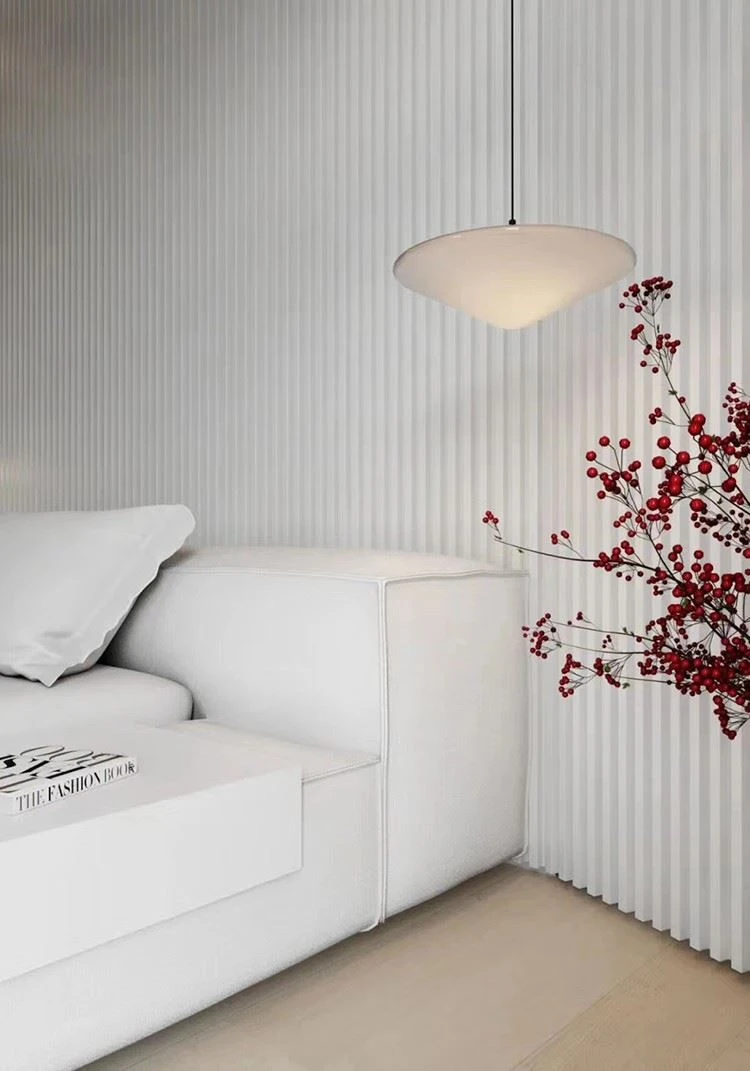
- Modern minimalism is one of the most common design expressions for slat wall panels. Under this style, slat wall panels usually adopt straight-line designs, emphasizing concise geometric compositions and smooth spatial lines. Narrow, dense slat arrangements create delicate textural effects and are suitable for small to medium spaces, visually expanding the sense of space; wider spacing is bolder and more open, suitable for double-height or large wall areas, forming a strong sense of rhythm and order. Modern-style slat wall panels tend to use neutral tones: light woods such as white oak and maple create a bright, fresh atmosphere, while darker woods such as walnut and teak convey a calm and refined feel. Minimalism does not mean simplicity-modern slat wall panels often reveal quality through refined details, such as 45-degree miter joints and concealed seams, which elevate the overall space without being ostentatious. This style is particularly suitable for urban apartments and contemporary offices that pursue simplicity without sacrificing warmth.
- Traditional classical style conveys a completely different design philosophy. Such designs often use more complex combinations of moldings, paired with carvings and pilasters, echoing the aesthetic principles of classical architecture. In terms of materials, traditional styles favor solid wood panels, especially darker, richly grained woods like rosewood and camphor; these materials become even more mellow over time, aligning with the historical feel pursued by classical styles. A notable feature of traditional slat wall panels is the emphasis on the three-part division of the wall-wainscot at the bottom, main wall panel in the middle, and a cornice or chair rail at the top. Derived from European classical architecture, this composition creates dignified and elegant proportions. Classical slat wall panels are commonly seen in villas, high-end hotels, and clubs that require a sense of prestige and ceremony; they are not just decoration but also cultural symbols and expressions of value.
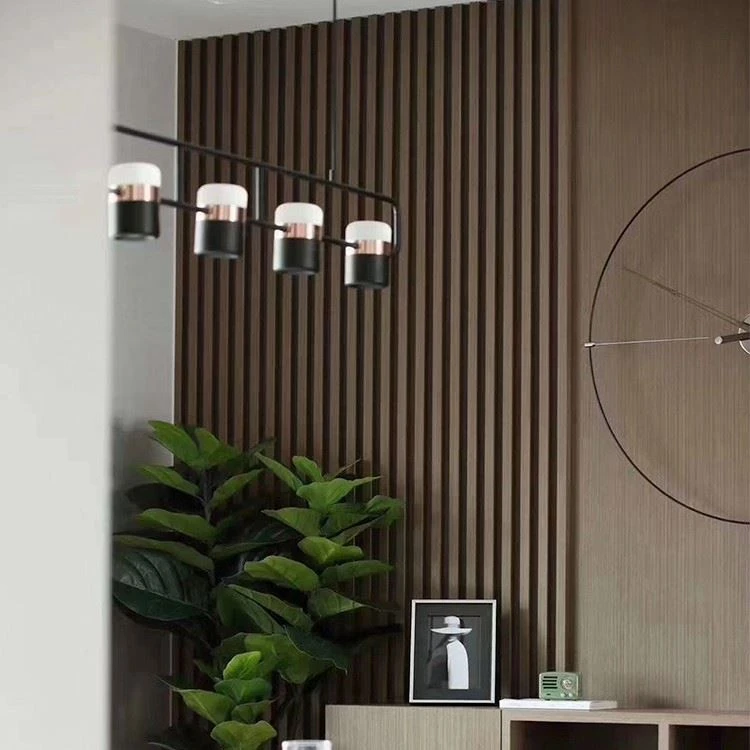
- Natural rustic style presents a back-to-nature design philosophy. This style emphasizes the raw texture of materials and traces of craftsmanship. It does not pursue perfect surface finishes; instead, it values natural knots and variations in wood grain. Aged-effect slat wall panels are widely used in this style: through antique paints and hand scraping, they create visuals that appear tempered by time. The arrangement of slats is freer-options include asymmetrical layouts and mixed-width combinations for a more organic effect. Colors focus on the wood's natural tones, with less use of dark dyeing, to maximize the original beauty of the material. This style is particularly suitable for guesthouses, cafés, and country villas that seek a relaxed, natural atmosphere, effectively softening the rigidity of architectural spaces and adding warmth and approachability.
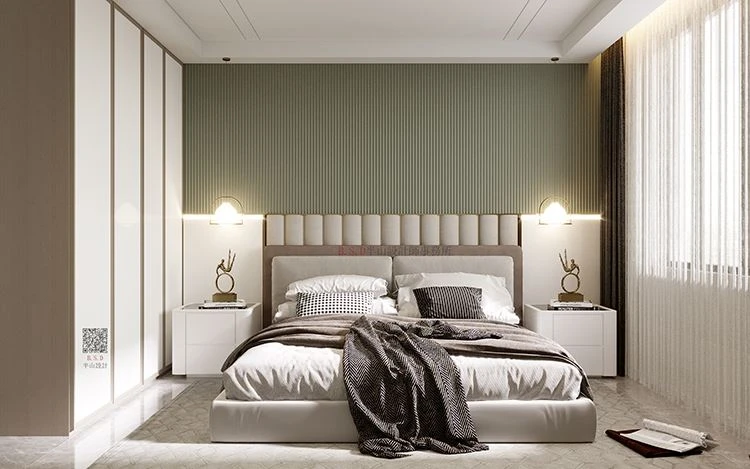
- Innovative hybrid style represents the latest trend in slat wall panel design. These designs break material boundaries by combining slats with metal, glass, stone, or paint to create rich material contrasts. For example, wood slats paired with black metal frames blend natural and industrial feelings; wood slats combined with glass strike a balance between opacity and transparency; and wood slats with stone emphasize material contrast. Arrangements are also bolder-wave patterns, herringbone, and radial compositions can become visual focal points of a space. Color treatment is not limited to the natural color of wood; spraying, dyeing, charring, and other special processes can be introduced to achieve broader visual expressiveness. This style is commonly found in art spaces, creative offices, and fashion retail stores that pursue uniqueness and innovative expression.
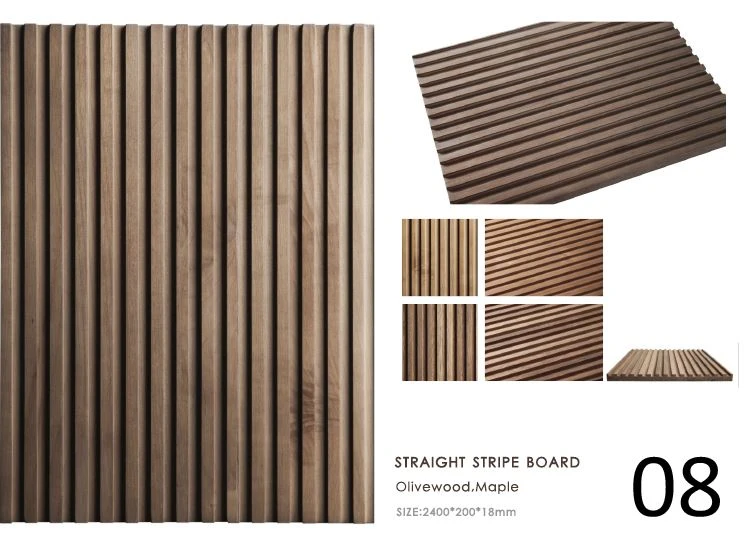
Slat wall panels shape spatial effects not only through style expression but also in the following aspects:
- Perception of scale: vertical slats visually raise ceiling height, suitable for low-ceiling spaces; horizontal slats extend spatial width, suitable for narrow spaces
- Light and shadow: three-dimensional slats create rich light–shadow variations under lighting, adding dynamism
- Spatial definition: slat wall panels can blur or reinforce boundaries, redefining functional zones
- Focal points: special slat compositions can serve as visual centers, such as TV feature walls or main lobby walls
Regardless of the style adopted, successful slat wall panel design should coexist harmoniously with the overall spatial context rather than stand alone. Designers need to consider spatial function, daylighting conditions, furniture style, and user preferences, using carefully designed slat wall panels to inject unique character and "soul" into the space, creating a three-dimensional effect that is both beautiful and practical. The design possibilities of slat wall panels are nearly endless; this ancient yet modern wall treatment continues to play an irreplaceable role in contemporary design.
Installation Techniques and Structural Features
The final effect and service life of slat wall panels largely depend on installation techniques and structural design. Professional installation not only ensures aesthetics but also effectively avoids common problems such as cracking and deformation later on. As a systematized wall decoration solution, slat wall panels have specific technical requirements for their structural components and installation methods. Understanding this professional knowledge is crucial to ensuring construction quality.
Installing MuMu Design's Striped Wood Wall Panels is straightforward with two primary methods:
- Adhesive Method:
- Ensure the wall surface is flat and clean.
- Apply nail-free glue evenly to the back of the panel or in dots on the wall at regular intervals.
- Align the panel and press firmly until the adhesive sets.
- Allow time for the glue to cure, ensuring a smooth, nail-free finish.
- Clip Installation:
- Secure clip bases to the wall using screws or adhesive.
- Slot the panel edges into the clips for a secure fit.
- Enjoy easy installation and removal for maintenance or replacement.
Why choose MuMu Design's Wood Strip Wall Panels?
MuMu Design, headquartered in Dongguan, China, is a trusted leader in premium wood products. With 20 years of craftsmanship, we have served clients in more than 100 countries. Our global perspective, 99% customer retention rate, and zero complaint record reflect our commitment to quality and reliability. Backed by an international design team, rapid prototyping (3-day sample delivery), and certifications such as CE, FSC, and ROHS, we are able to provide eco-friendly, high-standard customized solutions tailored to your needs.
MuMu Design slat wood wall panels seamlessly combine traditional craftsmanship with modern aesthetics to help you easily transform interior spaces. Made from carefully selected natural solid wood-such as walnut, teak, and oak-and enhanced with MuMu Design's unique processing techniques, our panels are built to be durable and functional.
Our slat wall panel designs are precise and innovative:
- Modern 3D effect: Linear designs create a dynamic, textured look that adds depth to any interior.
- Premium materials: Crafted from high-quality woods including walnut, teak, and oak for durability and elegance.
- Eco-friendly: Certified by CE, FSC, and ROHS, ensuring compliance with international environmental and safety standards.
- Versatile applications: Suitable for residential, commercial, and hospitality projects, combining aesthetics with practicality.
- Custom sizes: Panels can be tailored to fit unique project requirements for seamless integration.
- Long-lasting durability: Strict quality control, including raw material inspection and final testing, guarantees reliable performance over time.
Contact us now to learn more about 3D wall panels or get a free quote for your custom needs. Email: Jerry@mumu-ing.com
