

Whether 3D wall panels are worth purchasing usually requires a comprehensive judgment based on factors such as space function, budget, environmental protection requirements, and aesthetic preferences. Their main advantages lie in the diversity of functions, environmental friendliness, personalized customization capabilities, and the continuous increasing demand from users for personalized wall decoration designs. The market for 3D wall panels is constantly expanding. This article will introduce the charm and value of 3D wall panels to help you make a better choice.
What is 3D Wall Panel?
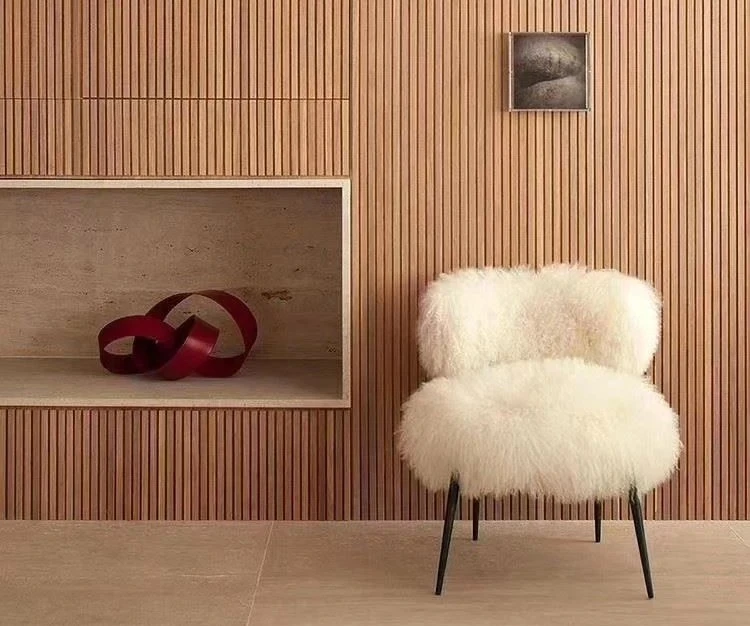
3D wall panels are a type of wall decoration material that combines three-dimensional design with multiple functions. Through techniques such as relief, embossing, and 3D printing, they create three-dimensional patterns or textures on the surface of the wall panels (such as geometric shapes, natural textures, abstract art, etc.), breaking away from the monotony of traditional flat wall panels and providing a more layered and artistic decorative solution for indoor and outdoor spaces. Some products can be paired with lighting effects (such as LED backlighting) to enhance the sense of three-dimensionality and atmosphere.
These panels can be crafted from various materials-wood, PVC, MDF, or gypsum-but high-quality wooden wall panels bring a level of warmth, natural beauty, and authenticity that synthetic options struggle to match. Designs range from sleek geometric arrangements suited to modern minimalist interiors, to organic wood grain patterns that create a rustic or nature-inspired ambiance.
For example, our own specialty at MuMu Design lies in crafting 3D wooden wall panels from premium walnut and oak. These panels not only complement custom wooden furniture but also unify a space into a cohesive, high-end interior design scheme. Whether installed in a living room, bedroom, or office, the panel offers both decorative and functional value.
Advantages of 3D Wall Panels
As an innovative wall decoration material, 3D wall panels integrate modern technology with artistic design, and possess significant advantages in terms of functionality, aesthetics, and practicality. The following is a detailed analysis of its core advantages:
1. 3D visual effect, enhancing spatial depth
Through relief, hollowing out or layered design, 3D wall panels can create a realistic three-dimensional effect, breaking the monotony of traditional flat surfaces and making the wall more dynamic and deep. At the same time, under the illumination of lights, the 3D structure will produce rich light and shadow changes, adding an artistic atmosphere to the space, especially suitable for decoration in living rooms, dining rooms or commercial places.
2. Personalized customization, meeting diverse needs
The 3D wall panels can simulate natural textures (such as stone, wood grain), abstract patterns or artistic shapes, and are suitable for various decoration styles including modern, industrial and retro. At MuMu Design, we also offer customization based on space dimensions. You can customize your company's logo, cultural elements or theme scenes (such as starry sky, forest), which are suitable for brand display or creating distinctive spaces.
3. Environmentally friendly and durable, reducing long-term costs
The raw materials of 3D wall panels are highly diverse, mostly using environmentally friendly materials such as PVC, bamboo and wood fibers, metal, etc. They are free of formaldehyde and radiation, meeting indoor air quality standards. They also support moisture-proofing, fireproofing, anti-mildew, and corrosion resistance, and can adapt to humid or environments with large temperature differences (such as bathrooms and kitchens), extending the service life and reducing maintenance costs in the long run.
4. Easy installation, saving time and manpower
In terms of installation, 3D wall panels are usually installed by means of modular connection. For example, using snap-in or lock-type installation methods, no professional tools are required. Ordinary people can complete the installation quickly and do it at home by themselves.
5. Personalized functional design, enhancing space usability
- Sound insulation: Some 3D wall panels are equipped with sound-absorbing materials, effectively absorbing sound waves and improving the indoor acoustic environment.
- Thermal insulation: Through multi-layer structure or air layer design, the wall's thermal insulation performance is enhanced, reducing energy consumption.
- Concealed storage: Combined with embedded design, it can integrate lights, sockets, or small storage spaces, improving space utilization.
6. High cost-effectiveness, significant long-term value
Compared to natural stone or high-end wood veneers, 3D wall panels offer more competitive prices and lower installation costs. Moreover, their characteristics such as resistance to wear and aging also reduce the need for frequent replacement or maintenance, thereby lowering the long-term maintenance costs.
7. Highly adaptable, with wide application scenarios
- Residential fields: Living room background wall, bedroom wall by the bed, creative decoration for children's room, etc.
- Commercial spaces: Hotel lobby, restaurant walls, display walls in retail stores, office partitions, etc.
- Public facilities: Cultural walls or guidance systems in museums, theaters, subway stations.
Common Materials for Making 3D Wall Panels
The common materials for making 3D wall panels are diverse, covering various composite plastics, metals, plant fibers, and environmentally friendly composite materials. The following are some main materials and their characteristics:
1. Wooden Materials
- Solid Wood: Carved from natural wood, with natural texture, high-end texture, environmentally friendly and healthy. Suitable for high-end customization, but relatively expensive and sensitive to humidity.
- Medium Density Fiberboard (MDF): Strong plasticity, suitable for complex CNC carving, cost-effective, but slightly less moisture-resistant.
- Plywood/Blockboard: Structurally stable, not easy to deform, relatively low cost, suitable for ordinary residential and office spaces.
- Bamboo: Green and environmentally friendly, relatively high hardness, unique texture, often used in natural style home spaces.
2. Composite Plastic Materials
- Engineering Plastics (ABS, PC): High strength, good toughness, excellent processing performance, suitable for making durable 3D wall panels.
- ACM Reinforced Resin: Good weather resistance and processability, suitable for indoor and outdoor decoration.
- PVC: Lightweight, waterproof, moisture-proof, widely used in humid environments or spaces requiring protective performance.
3. Metal Materials
Color Steel/Aluminum Panels: Lightweight, high strength, corrosion-resistant, often used in places requiring higher strength and durability. Metal materials can also bring a modern or industrial visual effect.
4. Plant Fiber Materials
Pure Plant Fiber Processed Panels: Mainly composed of plant fibers, made through special processes, strong three-dimensional effect, easy to color and shape, often used in TV background walls and sofa background walls.
5. Environmentally Friendly Composite Materials
- Renewable Plant Fiber or Eco-friendly Composite Materials: Both environmentally friendly and durable, meeting sustainable development needs, suitable for modern home decoration.
- Recycled Polystyrene and High Impact Polystyrene (HIPS): For example, EBS PS (3D) wall panels, formed through extrusion, combined with thermal transfer and embossing technology, can simulate a variety of natural textures, with realistic appearance and environmentally friendly properties.
How 3D Wall Panels Are Made
The methods of making 3D wall panels vary depending on the material and design requirements. The following are the common production processes for 3D wall panels:
1. Design and Modeling
The first step in making 3D wall panels is pattern design. Designers, based on the space style and client needs, use 3D modeling software to create drawings, planning the wall panel's curves, depth levels, and texture direction. This stage determines the overall aesthetic performance of the wall panels.
2. Processing Methods
In actual production, CNC engraving is the core technology. With computer-controlled carving machines, it can precisely achieve complex curves, variations in depth, and fine texture patterns, ensuring a high degree of restoration of the design effect. To make the wall panels more natural and handcrafted in feel, some details are further processed with manual carving and polishing for delicate treatment of the wood surface.
3. Splicing and Structural Techniques
Since wall panel installation inevitably involves splicing, considerations need to be addressed during processing:
- Seam techniques: Can use groove splicing (high stability, delicate seams) or flat joints (simple and neat).
- Corner treatment: At corners, the 45° diagonal carving process is commonly used. Usually, the panel is processed as a whole by CNC and then cut, ensuring the wood grain continues naturally at the corner without a broken look.
4. Surface Treatment
Surface finishing not only affects aesthetics but also determines texture and durability:
- Natural wood texture: Retains the original wood grain, creating a natural atmosphere.
- Imported wood wax oil finish: Healthy, eco-friendly, and highlights the wood texture.
- Matte finish: Maximizes the texture itself and avoids reflective visual interference.
- Open paint/wood wax oil: Keeps the natural touch of the wood, making the texture more "tactile."
- Partial coloring/antique finish: Applies differentiated coloring to the recessed or raised parts of the texture, further enhancing the three-dimensional effect and sense of age.
5. Finished Product Inspection and Packaging
After carving and surface treatment are completed, the panels undergo strict inspection to ensure continuous textures, natural splicing, and flawless surfaces. Finally, they are safely packaged to ensure integrity during transportation and installation.

The Most Suitable Application Scenarios for 3D Wall Panels
With their strong three-dimensional effect, flexible design, and diverse materials, 3D wall panels can inject unique visual impact and functional value into spaces. The following are several of the most typical application scenarios:
1. Commercial Spaces: Creating Brand Memory Points
Applicable Scenarios:
Retail stores, brand flagship stores, experience centers; restaurants, cafés, bars, and other dining spaces; hotel lobbies, meeting rooms, themed suites.
Advantages:
- Brand reinforcement: Customized 3D patterns (such as logos, product elements) enhance recognition.
- Atmosphere creation: Metallic textures or gradient colors combined with lighting create a high-end feel.
- Functional zoning: Different styles of 3D wall panels divide rest areas, display areas, etc.
Examples:
- Luxury stores use 3D metal wall panels to recreate classic brand elements, highlighting a sense of luxury.
- Themed restaurants use 3D stone-like or wooden wall panels to create an immersive atmosphere.
2. Home Decoration: Combination of Personalization and Practicality
Applicable Scenarios:
Living room feature walls, bedroom headboards, children's rooms; entryways, corridors, stairwells; kitchens and bathrooms (moisture-proof materials required).
Advantages:
- Personalized expression: Geometric, natural, and abstract art patterns showcase the homeowner's taste.
- Space optimization: Light-colored textures visually expand the space, suitable for small apartments.
Examples:
- Children's rooms use 3D cartoon animal wall panels to spark imagination.
- Living rooms use 3D wood grain panels with indirect lighting design to create a warm atmosphere.
3. Cultural and Artistic Venues: Conveying Creativity and Emotion
Applicable Scenarios:
Art galleries, museums, exhibition halls; theaters, concert halls, cultural centers; creative offices and art studios.
Advantages:
- Thematic expression: 3D wall panels recreate historical scenes or art pieces.
- Interactive experience: Projection and LED lighting enhance dynamic visual effects.
- Acoustic optimization: Porous 3D wall panels can improve acoustic environments.
Examples:
- Museums use 3D antique-style brick panels to restore historic architectural styles.
- Creative offices use 3D geometric wall panels to inspire innovation among employees.
4. Public Facilities: Enhancing Functionality and Aesthetics
Applicable Scenarios:
Subway stations, airports, train stations; hospitals, schools, libraries; shopping mall atriums and corridors.
Advantages:
- Guiding function: 3D patterns and colors distinguish areas and guide pedestrian flow.
- Durability: Fireproof, scratch-resistant, and easy-to-clean metal or ceramic materials are preferred.
- Psychological comfort: Natural landscape 3D wall panels can ease patient anxiety in hospitals.
Examples:
- Airports use 3D map wall panels to help travelers navigate.
- Children's hospitals use 3D animal wall panels to create a relaxed environment.
5. Outdoor and Semi-Outdoor Spaces: Combining Durability and Creativity
Applicable Scenarios:
Building facades, balconies, terraces; garden landscape walls, commercial districts, theme parks.
Advantages:
- Weather resistance: Stone and metal materials are waterproof, sunproof, and corrosion-resistant.
- Visual impact: Three-dimensional designs combined with lighting attract attention.
- Brand promotion: 3D advertising walls enhance communication effectiveness.
Examples:
- Commercial streets use 3D illuminated wall panels to create nighttime landmarks.
- Villas use 3D wood-like wall panels on balconies to create a natural atmosphere.
Best 3D Wall Panel Design
River Texture Wave
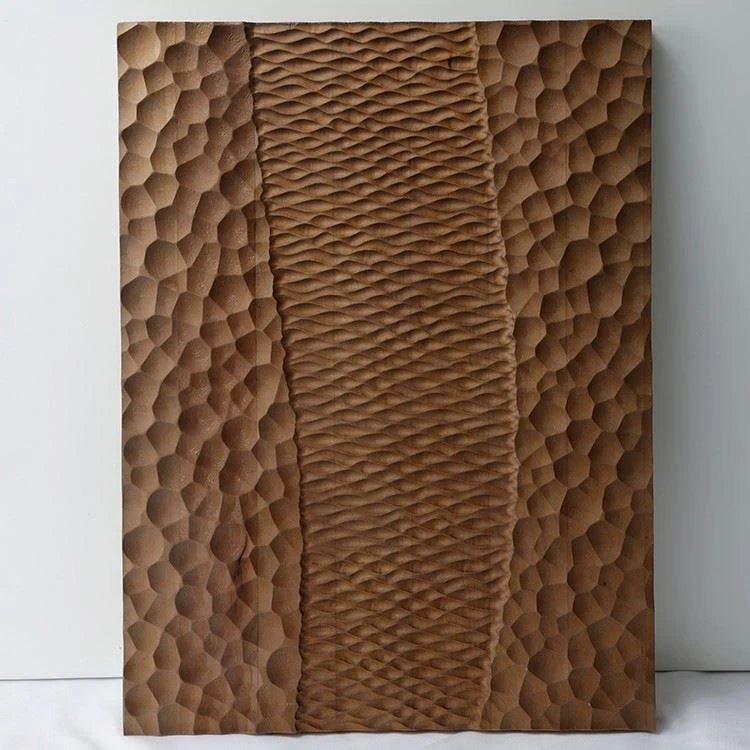
This River Texture Wave 3D wooden wall panel takes the unique "river pattern" carving as its core design concept. The surface is treated with deep texturing to form a three-dimensional ripple with a hand-carved feel, featuring uneven reliefs. The delicate wave patterns in the center of the panel contrast sharply with the more rugged honeycomb-like chisel marks on both sides, resembling a meandering river slowly flowing across the wooden surface.
Free Transform Texture Board
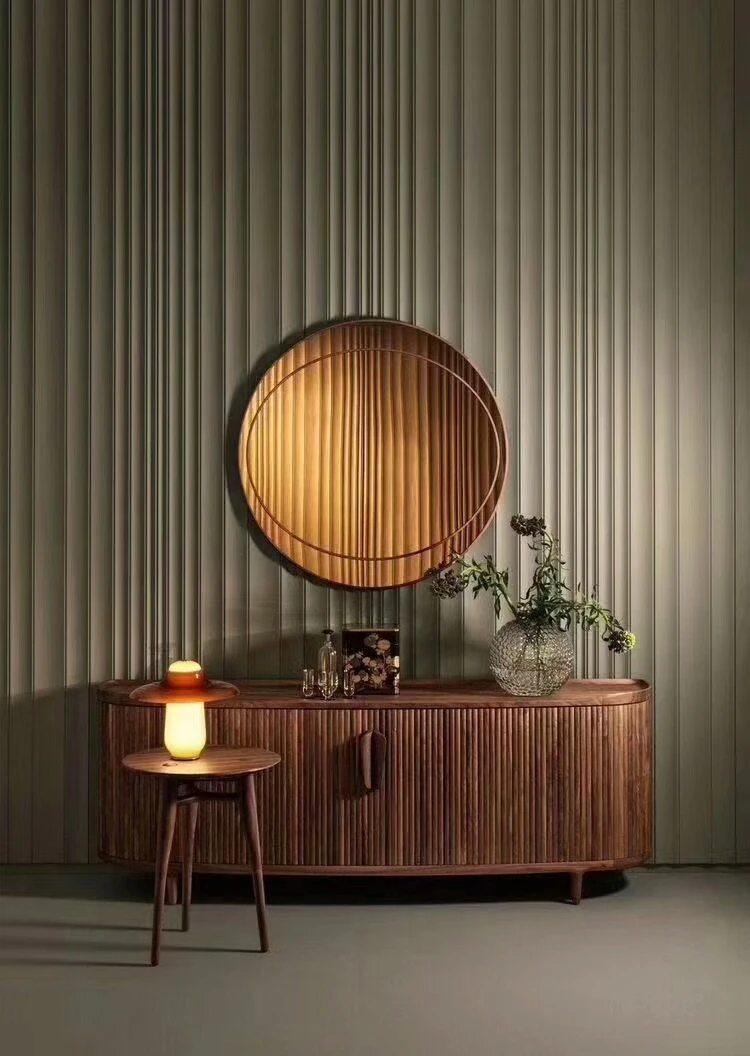
This Free Transform Texture Board wooden grooved wall panel uses a smooth linear design to interpret the beauty of minimalism. The panel is made with poplar solid wood as the base material and covered with natural wood veneer, allowing each three-dimensional groove to retain the warm texture and natural color of real wood grain. The engineered composite structure ensures stability and durability, while also being environmentally friendly, making it suitable for modern spaces that value sustainable design.
Water Wave Carved Solid Wood 3D Wall Panel
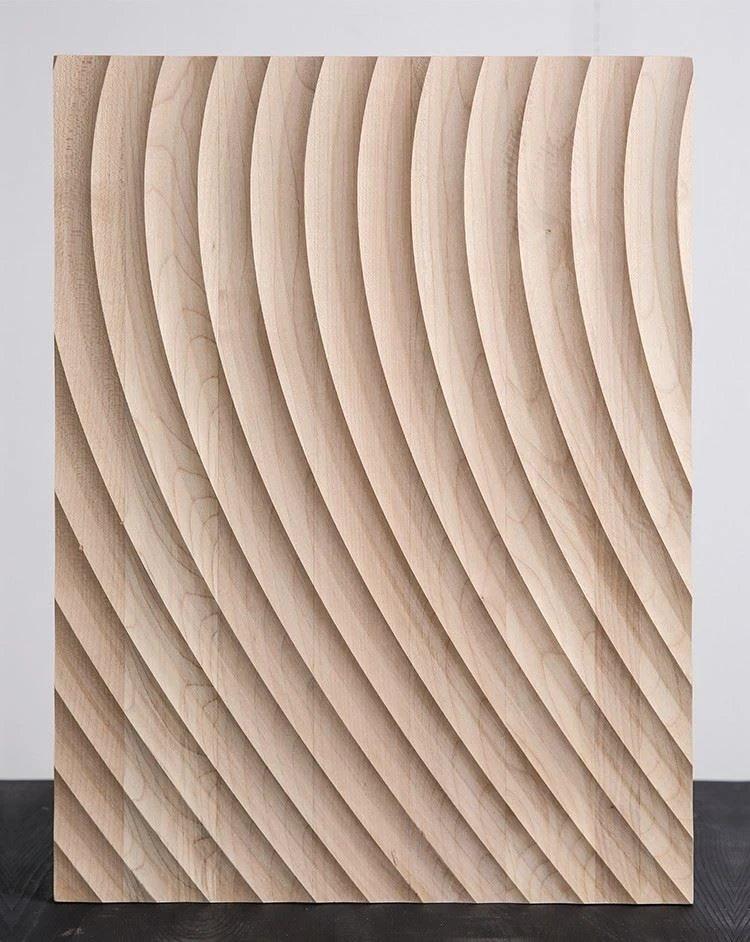
This Water Wave 3D wooden wall panel freezes the flowing beauty of natural water waves onto the wood surface, displaying rhythmic textures like S-shaped ripples. The neat and gentle curves are meticulously carved and embossed, giving them both the depth of carving and the warm touch of natural wood.
Decorative Wooden Interior Wall Panel
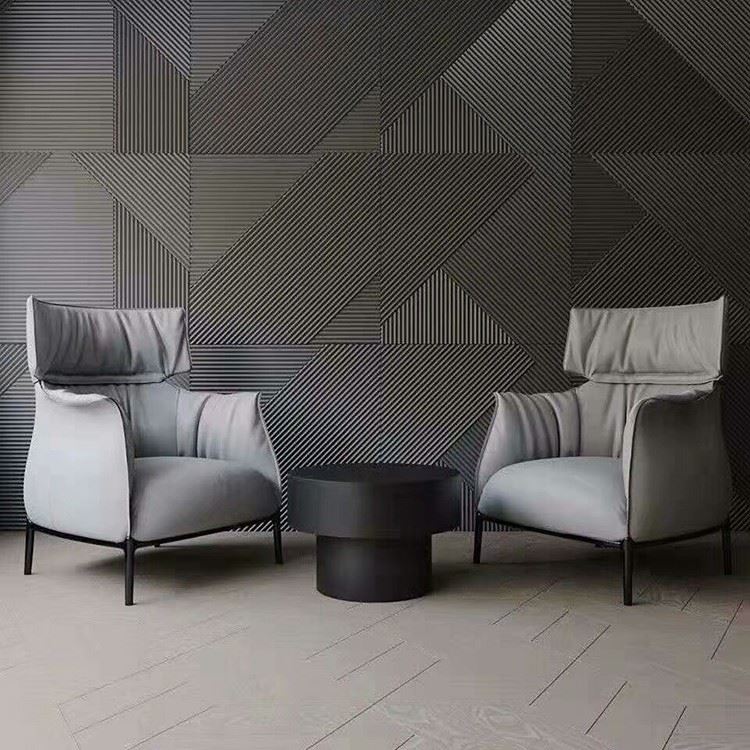
This Decorative Wooden Interior Wall Panel combines the warmth of wood with geometric linear aesthetics. Through dense three-dimensional grooves, it creates a strong sense of rhythm and layering. The grooves can be arranged vertically, horizontally, diagonally, or in interlaced patterns, forming unique geometric compositions that show rich variations under different lighting.
Straight Strip Board
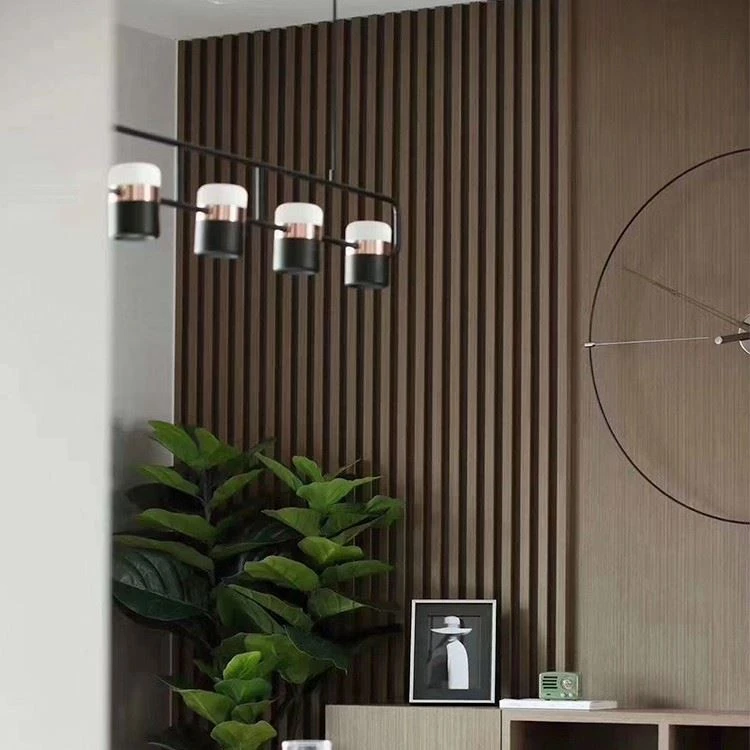
This Straight Strip Board wooden wall panel uses simple, straight, three-dimensional stripes to showcase the harmony of natural texture and spatial order. The slender vertical strips stretch the visual height of the space and create an orderly façade. The surface retains the natural wood grain and comes in multiple color options, from light natural wood to dark walnut, to suit various style combinations.
Learn more about 3D wall panel design
How to Choose 3D Wall Panels
When choosing 3D wall panels, it is necessary to comprehensively consider factors such as material, environmental performance, style compatibility, color coordination, size specifications, quality inspection, and brand after-sales service. The details are as follows:
1. Material Selection
Different materials determine the texture and application scenarios of 3D wall panels:
- Solid Wood Panels: Natural texture and high-end appearance, suitable for luxury decoration in living rooms and bedrooms; relatively expensive and requires moisture protection.
- Man-made Boards (MDF, Plywood, etc.): Cost-effective and easy to process, suitable for kitchens and bathrooms; attention should be paid to environmental performance.
- PVC Panels: Waterproof, moisture-proof, and mold-resistant, especially suitable for kitchens, bathrooms, and other humid areas.
- Gypsum Board Panels: Provide sound insulation, heat insulation, and fire resistance, suitable for offices and public places.
- EBS PS (3D) Panels: Extruded from recycled polystyrene and HIPS, using thermal transfer and embossing technology to reproduce various textures; lightweight, waterproof, eco-friendly, and recyclable.
- 3D Composite Panels: Made from ABS, aluminum-plastic panels, ACM reinforced resin, SMC, GRP, etc., with strong three-dimensional effects; can be freely combined and colored, modern and stylish in design.
- Plant Fiber 3D Relief Panels: Can be carved into artistic shapes, natural and eco-friendly, with a strong sense of flowing light and shadow, commonly used for feature walls.
2. Environmental Considerations
- Choose panels with low VOC emissions, such as EBS PS (3D) panels certified with France's A+ VOC rating.
- Avoid products containing harmful substances like formaldehyde, benzene, and vinyl chloride.
- Some innovative materials have air purification functions, absorbing harmful gases and reducing radiation.
3. Compatibility with Interior Style
- French Retro → Baroque-style plant fiber relief panels.
- Cyberpunk → Geometric or cracked textures in modern style panels.
- Oriental Classical → Panels with mountain-and-water motifs or carved marks.
- Additionally, customized patterns (logos, artistic graphics, personalized designs) can be selected to create a unique style.
4. Color Coordination
- Well-lit rooms → Cool tones (light blue, light green) for a refreshing feel.
- Poorly lit rooms → Warm tones (cream, light orange, light coffee) for a cozy atmosphere.
- Dark furniture and flooring → Choose light-colored panels to avoid heaviness;
- Bright environment → Appropriately use darker tones to enhance ambiance.
5. Size Specifications
- Large spaces → Use large panels to reduce seams and improve efficiency.
- Small spaces → Use smaller panels for better quality control.
- Feature walls → Ensure dimensions match furniture to avoid overpowering or looking awkward.
6. Quality Inspection
When purchasing, check from the following aspects:
- Surface Flatness: Look for cracks or unevenness.
- Thickness Uniformity: Ensure no warping or cracking.
- Material Compliance: Confirm compliance with national standards and check for odors. Use smell to detect any irritating emissions.
7. Brand and After-Sales Service
- Well-known brands usually provide more comprehensive after-sales service (installation guidance, warranty, maintenance).
- Compare samples from different manufacturers to understand real texture and craftsmanship.
- Prefer suppliers offering integrated design–production–installation services to avoid coordination problems later.
Start your 3D wall panels customization project
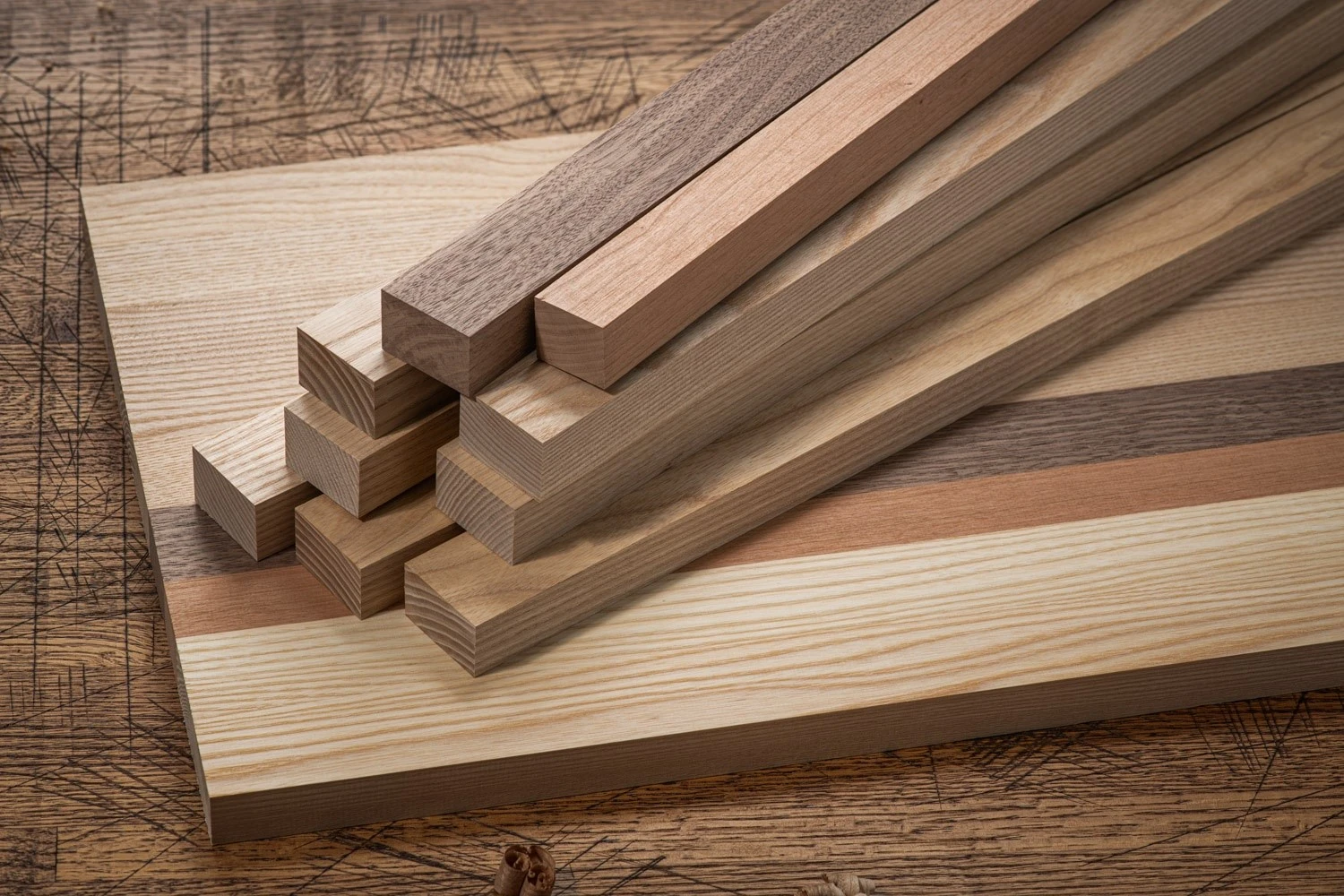
Cost vs. Value of 3D Wooden Wall Panels
When assessing 3D wall panel cost, the discussion shouldn't be limited to the price tag-it should consider durability, maintenance, and the added value they bring to a space.
High-quality 3D wooden wall panels typically cost between $5 and $25 per square foot. For a living room accent wall of about 100 square feet, the total investment might range from $1,000 to $2,000. While this is significantly higher than paint or wallpaper, the benefits-superior aesthetics, insulation properties, sound absorption, and decades-long lifespan-mean the overall value outweighs the initial expense.
From a real estate perspective, well-installed panels can also enhance your home's appeal and market value, especially in high-end interiors where unique design features are a selling point. In short, while the upfront cost is higher, the long-term cost per year of use is often lower than cheaper alternatives that need frequent replacement.
Price Comparison: Should You Buy Cheap or Expensive Wall Panels?
The question of Should You Buy Cheap or Expensive Wall Panel? is as much about safety and performance as it is about budget.
Cheap Panels
Low-cost options may be tempting, but they often come with trade-offs: poor-quality adhesives, higher formaldehyde emissions, and inferior finishes that fade or peel over time. Some may emit strong odors or warp under temperature changes, leading to costly repairs or replacements.
Premium Panels
High-end panels use better raw materials, safer finishes, and precision manufacturing techniques. The investment ensures not only superior aesthetics but also better structural stability, lower maintenance, and a longer lifespan. If you value customization, eco-friendly sourcing, and a tailored design fit, premium panels are worth the higher cost.
Ultimately, the choice comes down to priorities: if budget is the only concern, a cheap option may suffice for a short-term project. For long-term comfort, health, and design integrity, premium panels deliver far greater value.
Integration with Custom Wooden Furniture
One of the most powerful ways to elevate your interior is to integrate 3D wooden wall panels with custom wooden furniture. When the textures and tones of a wall panel match those of your furniture, the result is a seamless and intentional design flow.
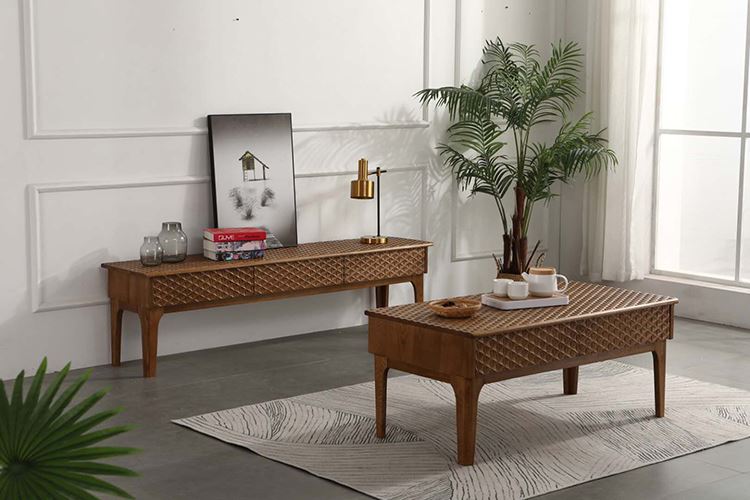
At MuMu Design, our panels are crafted to mimic the rich textures of oak, walnut, or reclaimed wood-materials that naturally complement bespoke cabinetry, shelving, or tables. We offer tailored designs to suit your vision, whether it's rustic planks that evoke countryside charm or sleek geometric patterns for a modern minimalist space.
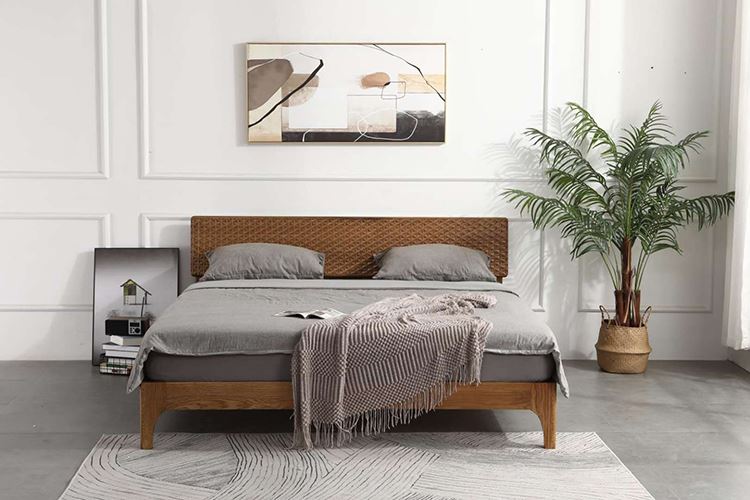
This integration does more than please the eye-it creates harmony between architecture and furniture, ensuring that each piece works together to transform your space into a cohesive whole.

Best 3D Wall Panel Manufacturers
1. WallArt
Founded in 2010 and headquartered in the Netherlands, WallArt is a 3D wall panel manufacturer with a core focus on eco-friendly innovation. The company initially specialized in the development of bamboo pulp fiber wall panels, filling the market need for sustainable decorative materials, and later expanded into the production of various eco-friendly materials. WallArt's main business is producing 3D decorative wall panels, primarily made of bamboo fiber and plant fiber. The design styles include modern geometric, natural textures, and abstract patterns, widely used in residential, office, and hotel interiors. Its main markets cover Europe, North America, and Asia (especially China and Southeast Asia), and it has grown rapidly with a global distribution network. WallArt's advantages lie in its eco-certified products that are easy to install and recyclable, favored by green building enthusiasts. Its diverse designs meet various aesthetic needs, and the company also offers customization services suitable for high-end commercial projects.
2. Art3d
Founded in 2013 and headquartered in Guangdong, China, Art3d is one of the leading brands in the Asian 3D wall panel market. The company started with cost-effective decorative wall panels and quickly expanded into the global market through export, becoming a popular brand on e-commerce platforms. Its main business includes PVC, bamboo fiber, and PU leather 3D wall panels, suitable for home, hotel, restaurant, and retail space decoration. The designs range from minimalist modern to vintage classic. The main markets include North America (U.S. and Canada), Europe, Australia, and Southeast Asia. Art3d's advantages lie in its strong price competitiveness, making it ideal for large-scale commercial projects. It offers a wide variety of materials and textures and supports OEM and ODM customization. With strong production capacity and fast logistics, it has secured a solid place in the global market.
3. MuMu Design
Based in Dongguan, China, MuMu Design is a leading manufacturer of 3D wood wall panels and custom wooden solutions with 20 years of industry expertise. We produce high-quality interior and exterior decorative materials, including wood wall panels, flooring, ceilings, and bespoke furniture. Serving over 100 countries and regions, MuMu Design has completed more than 300 custom projects with a 99% client retention rate and zero-complaint record. With a rich material library and advanced customization capabilities, we provide tailored solutions for distributors, designers, and project owners worldwide.
4. 3D Wall Panels (Epic Products Inc.)
Operated by Epic Products Inc., founded in 2005 and headquartered in California, U.S., this brand evolved from building materials distribution to specializing in 3D wall panel production. Its main business includes bamboo fiber, PVC, and wooden 3D wall panels, widely used in residential, hotel, and retail interiors, with design styles ranging from minimalist to complex geometric patterns. The main markets include North America, Latin America, and Asia. The advantages of 3D Wall Panels include high-quality surface finishing, durability, and ease of maintenance, making them suitable for long-term use. The company also provides diverse design options, fast delivery, and strong customer support, helping it stand out in a competitive market.
5. Textures-3D
Founded in 2008 and headquartered in Florida, U.S., Textures-3D specializes in high-end 3D wall panel design and manufacturing. From the beginning, the company positioned itself in the luxury decoration market, known for unique designs and high-quality materials. Its main business includes gypsum, composite, and wooden 3D wall panels, widely used in luxury homes, hotel lobbies, and commercial spaces, with design styles leaning toward artistic and customized. The main markets include North America, Europe, and the Middle East. Textures-3D's advantages are products that combine beauty and functionality, using fire-resistant and soundproof materials, suitable for projects with high safety requirements. The company also offers customized design services to create unique wall effects, making it highly favored in the high-end market.
Start your 3D wall panels customization project
How to Install 3D Wall Panels
The quality of 3D wall panel installation directly affects both its visual effect and service life. The process requires careful control from surface preparation and material adaptation to installation methods and finishing details. Below are key steps and considerations:
Preparation Before Installation
1. Wall Surface Treatment
Ensure the wall is dry, clean, and flat. Remove dust, grease, or peeling paint. Use filler to repair if needed. For uneven walls, add a thin plywood backing as a leveling base.
2. Panel Acclimation
Wood and composite panels are sensitive to temperature and humidity. Place them indoors for 48–72 hours before installation to adapt to the environment and prevent deformation or cracking.
3. Essential Tools and Materials
Tape measure, pencil, level
Construction adhesive (e.g., nail-free glue) or screws/clips
Saw (miter saw, jigsaw)
Filler or wood putty
Trim strips or molding
Safety gear: gloves and goggles
Common Installation Methods
Adhesive Method: Suitable for flat walls. Apply adhesive evenly on the back of each panel, or dot it on the wall at intervals, then press the panel into place until cured. Creates a flat, nail-free finish with high aesthetics.
Clip System: Panels equipped with clips can be fixed by securing the clip bases to the wall (with screws or glue), then snapping the panels in. Convenient for installation and later replacement.
Screws/Nails: Often used for heavier panels such as metal, stone, or thick wood. Typically requires installing battens first, then fastening panels to the frame with screws/nails. Strong, durable, and load-bearing, but leaves holes that require repair.
Double-Sided Tape: Suitable for lightweight panels or temporary decoration, often used in rental spaces. Fast and non-invasive, but limited in strength and unsuitable for heavy or large panels.
Standard Installation Steps
Measuring and Marking: Use a level to draw baseline lines, ensuring accurate placement of the first panel.
Fixing the Panels: Apply adhesive or use clips/screws to secure the first panel to the baseline.
Progressive Installation: Install subsequent panels one by one, leaving 2–3mm expansion gaps between them to prevent cracking from temperature or humidity changes.
Handling Obstacles: Measure and cut openings for sockets, switches, or pipes in advance.
Finishing: Fill gaps with matching filler/putty, install trim on corners and edges, and clean the surface. Leave panels undisturbed for several hours until adhesive cures.
Common Mistakes and How to Avoid Them
Unclean surface → poor adhesion and detachment.
Wrong adhesive → must use adhesives designed for wood or panels.
Insufficient pressure → causes warping or hollow spots.
No acclimation → panels may deform after installation.
Improper use of tape → heavy panels may fall or damage the wall.
How to Maintain 3D Wall Panels
Proper daily maintenance is simple but crucial to extend the service life and maintain the beauty of 3D wall panels:
1. Daily Cleaning
Wipe dust with a soft dry or slightly damp cloth. Avoid steel wool or strong acid/alkaline cleaners.
For wooden panels, use special wood wax oil periodically to maintain luster and texture.
2. Moisture and Stain Protection
Wipe off water and grease promptly in kitchens and bathrooms.
Maintain good ventilation in humid environments to prevent mold.
3. Avoid Impact
The three-dimensional surface can be fragile; avoid sharp or hard collisions.
When hanging heavy objects, secure them to the studs instead of drilling directly into the panel.
4. Regular Inspection and Repair
Check for loosened or cracked seams; fill gaps with matching filler if necessary.
Minor scratches can be sanded or recolored to restore appearance.
Conclusion
3D wooden wall panels combine aesthetic appeal, functional benefits, and environmental responsibility in a way few other wall treatments can match. From enhancing acoustics and insulation to creating focal points that define a space, the benefits of 3D wall panels are both tangible and lasting.
While the initial investment may be higher than traditional wall finishes, the durability, low maintenance, and timeless style of premium wooden panels make them a smart choice for homeowners and businesses alike. Whether you're designing a living room, bedroom, or commercial space, these panels offer a versatile and enduring upgrade that will continue to impress for years.
If you're ready to explore how 3D wooden wall panels can transform your space, browse our curated collection or consult with us for a custom design solution. Together, we can create an interior that reflects your style, meets your functional needs, and stands the test of time.