

Solid wood refers to wood made from natural trees, and it is a material widely used in furniture, flooring, wall panel decoration materials, and other fields. Solid wood has natural textures and colors, and because it is taken from complete wood, it is also particularly precious, therefore it is deeply loved by people. So, what exactly is solid wood? Why is it worth buying? Next, we will introduce it from aspects such as the source, characteristics, advantages and disadvantages of solid wood, as well as a comprehensive comparison with other materials.
What is Solid Wood
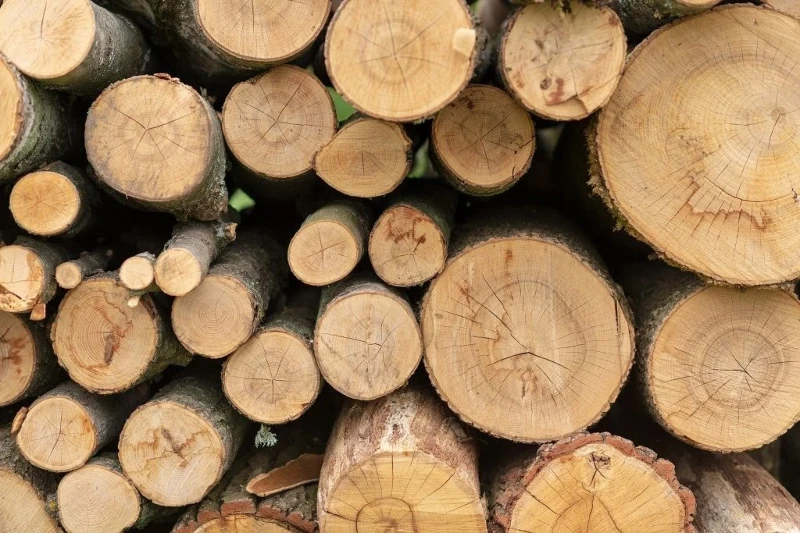
Solid wood refers to timber directly sourced from natural trees, undergoing minimal processing (e.g., debarking, cutting, or drying) while preserving its inherent structure and texture. Its key characteristics include:
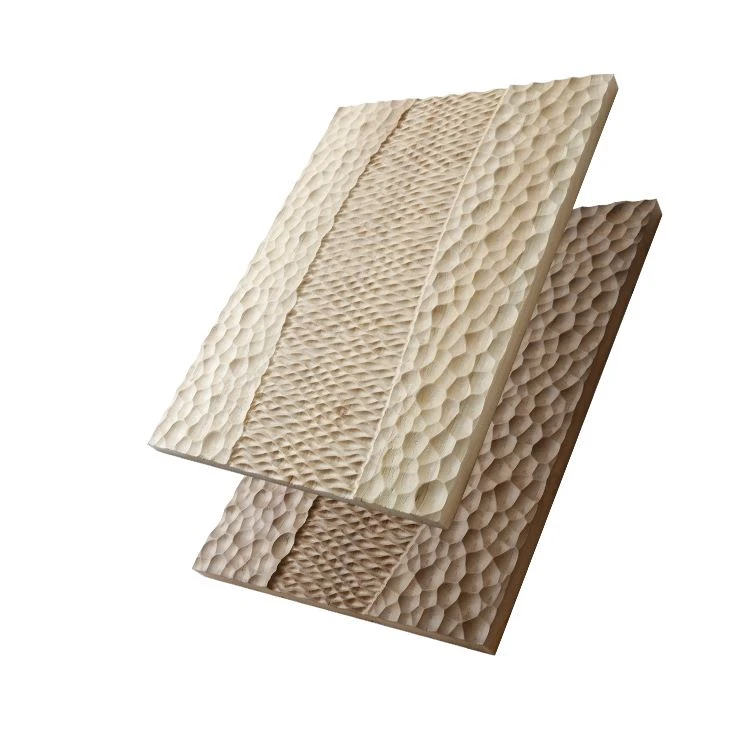
- Natural Origin: Sourced from the trunks or branches of hardwood or softwood trees, solid wood is free from splicing, lamination, or chemical synthesis.
- Structural Integrity: Typically cut from a single piece of timber, not fragments or scraps, ensuring continuous fiber structure.
- Unique Texture: Each piece features distinctive grain patterns, growth rings, and hues, offering unparalleled aesthetic appeal.
Solid wood is classified by tree species: hardwoods (e.g., oak, walnut, cherry) are dense and ideal for premium furniture, while softwoods (e.g., pine, cedar) are lighter and often used for decor or structural elements. By processing method, it includes logs (raw, minimally cut timber) and sawn timber (planed boards for manufacturing).
Pros and Cons of Solid Wood
Solid wood's natural appeal and durability make it highly sought after, but it has limitations. Here's a balanced analysis:
Advantages:
- Eco-Friendly and Healthy: With minimal adhesives, solid wood has low formaldehyde emissions, ideal for children's rooms or homes with air quality concerns. FSC-certified wood ensures sustainable sourcing.
- Exceptional Durability: Its dense fiber structure resists impact and wear, lasting decades with proper care. Scratches can be sanded and refinished, as seen in centuries-old Ming and Qing dynasty furniture.
- Natural Beauty: Unique grain patterns and warm hues create an artistic appeal, perfect for 3D wood wall panels that add depth and elegance to spaces. It suits styles like Chinese, Nordic, or Japanese.
- Value Retention: Rare species (e.g., rosewood, sandalwood) or handcrafted pieces with mortise-and-tenon joints may appreciate over time, offering both sentimental and collectible value.
- Comfort and Functionality: Solid wood's insulation and acoustic properties, combined with ergonomic designs, enhance user comfort.
Disadvantages:
- Higher Cost: Hardwoods (e.g., oak, walnut) and rare species are expensive, with additional costs from intricate craftsmanship like mortise-and-tenon joints.
- Environmental Sensitivity: Humidity changes can cause cracking or warping, requiring controlled indoor conditions (40%-60% humidity) and protection from direct sunlight or dampness.
- Heavy Weight: Solid wood furniture is 2-3 times heavier than particleboard, making it challenging to move and potentially limited by stair or elevator dimensions.
- Style Perceptions: Traditional solid wood designs may feel "old-fashioned" to some; modern aesthetics require minimalist lines or hybrid materials (e.g., wood and metal).
- Risk of Counterfeits: Some products labeled as "solid wood" may use veneers or partial solid wood frames, necessitating careful inspection.

Solid Wood vs. Other Materials
Solid wood stands apart from other materials like engineered wood, particleboard, and veneered furniture due to differences in composition, performance, and applications. Here's a detailed comparison:
Solid Wood Vs. Engineered Board
- Solid Wood: Directly taken from natural trees as whole wood, retaining the original structure of the trunk and branches, untreated or only with basic processing (such as cutting, drying).
- Engineered Board: Made from wood chips, wood veneers, or crop straw as raw materials, pressed under high pressure with adhesives (such as urea-formaldehyde resin, phenolic resin). Common types include MDF, particleboard, and plywood (multi-layer board).
| Dimension | Solid Wood | Engineered Board (Man-made Board) |
| Naturalness | Pure natural, no chemical adhesives (except for drying treatment) | Contains adhesives, may release formaldehyde and other VOCs |
| Structure | Continuous fibers, visible growth rings and rays | Made from crushed material or thin layers, structure is discontinuous |
| Strength & Stability | Strong impact resistance, but easily affected by humidity and prone to warp | Uniform structure, better resistance to deformation |
| Environmental Impact | Low emissions, biodegradable | Adhesives may contain formaldehyde, need to choose E0 grade |
| Cost | Expensive (especially hardwood) | Low cost, suitable for large-scale production |
Solid Wood vs. Glued Laminated Wood / Finger-jointed Board
- Solid Wood: Emphasizes the concept of "whole piece" or "log," such as a whole oak board or pine beam.
- Glued Laminated Wood: Made by joining small solid wood blocks through finger joints (mortise-tenon connections) or gluing into long strips, commonly used in furniture parts and door frames.
- Finger-jointed Board: A type of glued laminated wood, connecting wood blocks through finger-jointing technology to reduce deformation risk.
| Dimension | Solid Wood | Glued Laminated Wood / Finger-jointed Board |
| Structural Integrity | Whole piece of wood, no visible joints | Made from multiple wood pieces joined together, visible finger joints |
| Stability | Easily affected by humidity, prone to cracking or warping | Jointed structure distributes stress, stronger resistance to deformation |
| Cost | Expensive (especially for large-sized boards) | Relatively low cost, makes use of short pieces to reduce waste |
| Aesthetic | Continuous natural grain, suitable for high-end design | Jointed grain may affect overall visual consistency |
Solid Wood vs. Veneered Furniture
- Solid Wood: Same inside and outside, all material is solid wood.
- Veneered Furniture: Core material is engineered board or low-cost solid wood, with a surface covered by a thin layer of solid wood veneer (about 0.2–0.6 mm thick) to simulate solid wood texture.
| Dimension | Solid Wood | Veneered Furniture |
| Material | Made of whole solid wood, no layers | Core is engineered board or softwood, surface veneered |
| Durability | Can be sanded and repaired multiple times | Veneer easily wears, core material vulnerable to moisture |
| Cost | Expensive (especially hardwood) | Low cost, appearance close to solid wood |
| Environmental | Only requires basic treatment | Core may contain formaldehyde, adhesive glue needs attention |
Applications of Solid Wood
Solid wood's aesthetic and structural qualities make it versatile for various uses:
- Furniture: Solid wood tables, chairs, beds, and wardrobes offer natural charm and durability, ideal for long-term homeowners.
- 3D Wood Wall Panels: Oak or teak panels create textured, sophisticated walls for living rooms, bedrooms, or upscale commercial spaces like hotel lobbies.
- Flooring: Solid wood floors provide comfort and longevity, enhancing natural interior aesthetics.
- Crafts and Decor: Wood carvings, musical instrument soundboards, or structural beams and columns leverage grain patterns for artistic and cozy environments.
Tips for Selection and Maintenance
To maximize the value of solid wood products, consider these practical tips:
Selection Tips:
- Verify Authenticity: Check for consistent grain patterns (veneers may repeat), smell for chemical odors (solid wood has a natural scent), and request material certificates.
- Know the Species: Understand the properties of woods like oak or pine, and opt for FSC or PEFC-certified timber for sustainability.
- Inspect Craftsmanship: Prioritize mortise-and-tenon joints and test furniture for stability by sitting or lying on it.
- Match Needs: Choose hardwoods for luxury projects or softwoods/engineered wood for budget-conscious designs.
Common Traps:
- Veneered Furniture: The base material is MDF, with a surface covered by solid wood veneer, pretending to be solid wood.
- Frame Solid Wood: Only the main frame is solid wood, while the back panel, drawers, and other parts use boards.
- Finger-jointed Board Pretending: Boards made of short wood blocks joined with finger joints, although containing solid wood components, are not whole pieces.
Identification Methods:
- Observe whether the grain is continuous (veneer furniture grain may repeat).
- Check whether there are adhesive traces at corners and edges.
- Smell the odor (solid wood has no pungent chemical smell).
- Ask the seller to provide a material inspection report.
Maintenance Tips:
- Control Environment: Maintain 40%-60% indoor humidity with humidifiers or dehumidifiers, and avoid direct sunlight or proximity to heaters/air conditioners.
- Regular Care: Wipe dust monthly with a soft, dry cloth and apply wood wax or beeswax every six months to maintain sheen and protection.
- Handle with Care: Avoid sharp objects that could scratch surfaces and lift furniture when moving to prevent damage.
Environmental and Sustainability Considerations
Solid wood is a renewable resource, and responsible harvesting supports forest regeneration, aligning with low-carbon goals. However, illegal logging poses ecological risks, making FSC or PEFC-certified wood essential for balancing quality and environmental responsibility.
Conclusion
Solid wood's natural beauty, eco-friendliness, and durability make it an exceptional choice for 3D wood wall panels and custom furniture. Whether enhancing a cozy home or elevating a commercial space, solid wood delivers unmatched quality and timeless appeal. While its higher cost and maintenance needs require consideration, smart selection and care ensure decades of enjoyment and potential value appreciation.
Ready to bring natural elegance to your space? Explore our collection of 3D wood wall panels and custom solid wood furniture at our website. Contact our expert team to create bespoke designs that transform your home or business with the timeless beauty of solid wood!