

In recent years, Shou Sugi Ban-also known as Yakisugi or charred wood siding-has captured the attention of architects, designers, and homeowners seeking materials that blend natural beauty, durability, and sustainability. Originally developed in Japan centuries ago, this ancient technique of wood preservation has found new life in modern architecture from California's coastal homes to Scandinavian-inspired interiors.
This article explores whether Shou Sugi Ban is truly worth the investment, examining its features, pros and cons, ideal applications, and practical considerations.

What Is Shou Sugi Ban? A Material Reborn Through Fire
Shou Sugi Ban is a traditional Japanese method of charring the surface of wood-typically cedar-to protect it from weather, insects, and decay. The process involves controlled burning, cleaning, and oil finishing, creating a deep, textured carbonized surface.
While early Japanese craftsmen discovered this technique out of necessity-preserving scarce timber in humid coastal climates-today's builders appreciate it for both its striking aesthetics and its impressive performance.
In modern production, the same principle remains: the wood surface is burned with torches or kiln systems, forming a char layer that seals and hardens the wood fibers. The result is a material that resists moisture, rot, and pests without using chemicals. Depending on the burning intensity and finishing oil, tones can range from jet black to smoky gray with rich, tactile grain patterns.
Shou Sugi Ban vs Other Wood Treatments
|
Feature |
Shou Sugi Ban |
Pressure-Treated Wood |
Untreated Wood |
|
Durability |
Up to 70–80 years |
15–25 years |
5–10 years |
|
Maintenance |
Very low |
Moderate |
High |
|
Aesthetic Appeal |
Deep char texture & color variations |
Standard grain |
Plain wood look |
|
Environmental Impact |
No chemicals, recyclable |
Contains preservatives |
Natural |
|
Cost |
Higher upfront |
Moderate |
Low |
Beyond function, Shou Sugi Ban embodies a philosophy of imperfection and renewal-what Japanese aesthetics call wabi-sabi. Yet its Western popularity lies less in cultural symbolism and more in its ability to add depth, authenticity, and permanence to modern architecture.
The Key Advantages of Shou Sugi Ban
1. Exceptional Durability and Weather Resistance
Through carbonization, the outer wood layer becomes more resilient against rot, insects, and water. The charring process removes cellulose-the food source for termites-and the carbonized crust acts as a natural shield.
When properly finished, Shou Sugi Ban siding can last 50–80 years outdoors, outperforming many pressure-treated woods. It also provides moderate fire resistance, as the char layer slows ignition compared to untreated wood-a counterintuitive yet proven benefit.
2. Distinctive Aesthetics and Timeless Texture
Each plank tells its own story. The scorched surface produces bold grain contrast, subtle metallic sheens, and a tactile surface that plays beautifully with light.
Designers in North America and Europe are increasingly using charred wood for facades, accent walls, ceilings, and custom furniture. Its visual depth pairs effortlessly with concrete, steel, glass, or stone-perfect for minimalist, industrial, or rustic-modern spaces.
3. Sustainability and Eco-Friendliness
Unlike chemical treatments, Shou Sugi Ban relies purely on heat and oil, making it one of the most sustainable wood finishes available.
It extends the usable life of timber and allows lower-grade wood to be upcycled into high-end architectural material.
This makes it a strong choice for LEED-certified projects and clients seeking eco-friendly wall panel solutions without compromising on beauty.
4. Minimal Maintenance
Charred wood requires little to no maintenance. The carbonized surface naturally protects against moisture and UV degradation, meaning there's no need for frequent sealing or repainting.
For exterior use, a light oiling every few years may preserve the tone, while interior panels need only regular dusting-ideal for both busy homeowners and commercial properties.
Potential Drawbacks to Consider
1. Higher Upfront Cost
Authentic Shou Sugi Ban is labor-intensive and handcrafted, which raises its cost compared to standard wood cladding.
Prices in the U.S. or Europe typically range from $8–$15 per square foot installed, depending on species and finish. While imitation "burnt look" boards exist, they often lack the depth, texture, and durability of genuine charred cedar.
2. Specialized Installation
Due to its brittle carbonized surface, cutting and fastening require experienced installers using the right hardware.
Poor handling can cause surface flaking or reduce longevity. In areas where charred wood is still niche, finding skilled contractors may be an additional challenge.
3. Bold Appearance Isn't for Everyone
Its deep black or smoky silver tones command attention-but not all homeowners or communities appreciate such dramatic looks.
In some traditional neighborhoods or HOAs, dark facades may face restrictions.
For clients seeking bright, coastal aesthetics, integrating Shou Sugi Ban as an accent wall or feature area rather than a full façade can be a balanced compromise.
4. Performance Limitations
Despite its strength, Shou Sugi Ban is still wood.
In regions with extreme UV exposure or freeze–thaw cycles, periodic oiling is advisable to prevent surface wear. It is fire-resistant, not fireproof, so it should not be used where non-combustible cladding is required.
If the charred layer is mechanically damaged (e.g., during transport or drilling), the exposed interior must be resealed to maintain protection.
Best Applications for Shou Sugi Ban
1. Exterior Facades
From luxury villas in California to Nordic cabins and London townhouses, charred wood siding has become a favorite among architects who value both longevity and natural elegance.
Its resistance to humidity, salt air, and insects makes it ideal for coastal or mountain environments. Over time, the patina evolves subtly, giving the building a living, organic character that ages gracefully.
2. Interior Design Accents
In modern interiors, Shou Sugi Ban brings a sense of depth, warmth, and craftsmanship.
Used as feature walls, ceilings, or bar fronts, its tactile finish interacts beautifully with lighting and complements metals, leather, and natural stone.
It's increasingly popular in boutique hotels, restaurants, and residential spaces aiming for modern rustic or wabi-sabi-inspired atmospheres.
3. Humid or Harsh Environments
Thanks to its natural resistance, Shou Sugi Ban performs well in spa facilities, pool houses, and coastal homes.
Unlike untreated wood, it won't warp or mold easily, making it a trusted material for high-humidity architecture.
4. Commercial & Hospitality Spaces
Retail and hospitality designers love Shou Sugi Ban for its distinctive identity and durability.
It elevates brand perception, adds textural sophistication, and withstands the wear of public spaces-turning walls and facades into conversation pieces.
So, Is Shou Sugi Ban Worth It?
Ultimately, yes-if your priorities are design uniqueness, longevity, and sustainability.
While the upfront cost is higher, its lifecycle value-from reduced maintenance to aesthetic longevity-often outweighs cheaper alternatives.
For projects emphasizing modern minimalism, natural materials, or sustainability certifications, it's a material that offers both beauty and conscience.
However, it's not a one-size-fits-all choice.
If budget constraints are tight, or if your design requires bright and uniform finishes, alternatives like thermally modified wood or stained cladding may be more practical.
Choosing the Right Supplier and Finish
Not all "charred wood" on the market is genuine Shou Sugi Ban.
When sourcing, look for suppliers who can demonstrate:
- Controlled, uniform carbonization rather than painted imitation.
- Use of sustainable wood species (often cedar, spruce, or pine).
- Proper sealing and finishing processes.
- References or completed projects in similar climates.
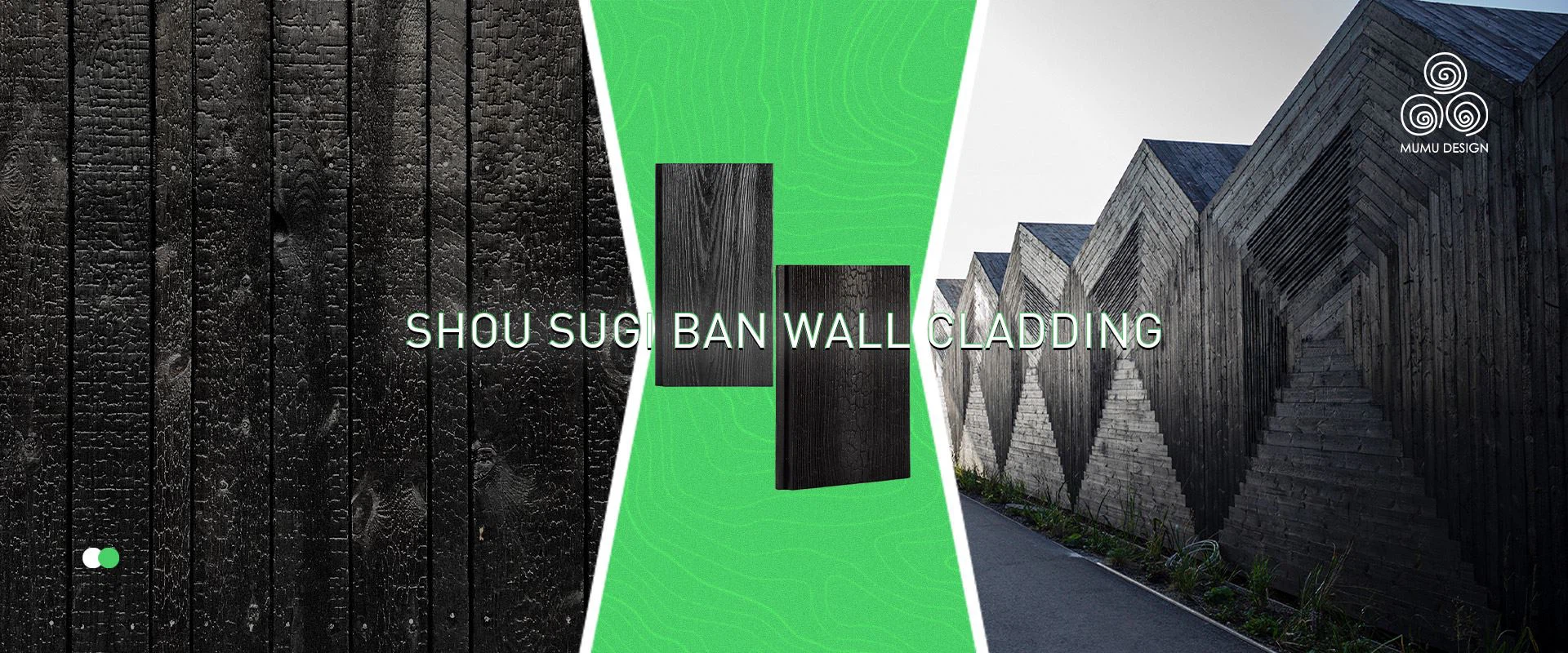
At MuMu Design, we combine the timeless Japanese technique of wood charring with modern 3D wall panel and furniture craftsmanship.
Our products retain the authentic texture and eco-value of true Shou Sugi Ban while being optimized for modern architectural use-available in custom colors, gloss levels, and modular panel designs.
Maintenance Tips for Long-Term Beauty
- Annual Inspection: Check for chips or exposed areas and reseal as needed.
- Gentle Cleaning: Use a soft brush and mild soap; avoid pressure washing.
- Re-Oiling: Every 2–3 years for exterior panels.
- Protect Cuts: Always reseal any new edges or drilled holes.
- Keep Spare Boards: For future repairs to maintain color consistency.
Affordable Alternatives
If authentic Shou Sugi Ban exceeds your budget, consider:
- Stained or smoked wood panels that mimic the look at lower cost.
- Partial use-feature only façades, entry walls, or ceilings.
- Engineered wood wall panels with a charred finish effect (like MuMu's 3D wood wall series).
These approaches preserve the visual drama of Shou Sugi Ban while balancing budget and practicality.
Conclusion: The Unique Value of Shou Sugi Ban
Shou Sugi Ban is more than just a material - it is the fusion of craftsmanship and aesthetics.
It appeals to those who value design storytelling, sustainability, and lasting durability.
When conditions allow, its timeless character can infuse any space with a sense of depth and narrative that no other material can replicate.
For projects with tighter budgets, selective use or creative alternatives can still capture the essence of its beauty and spirit.